
Some Common Plastic Materials Used in CNC and 3D Printing Process
author: DJ-04
2024-12-25
Some Common Plastic Materials Used in CNC and 3D Printing Process
In both plastic CNC machining and 3D printing, different plastic materials are used to meet different requirements, including strength, durability, flexibility, and heat resistance.
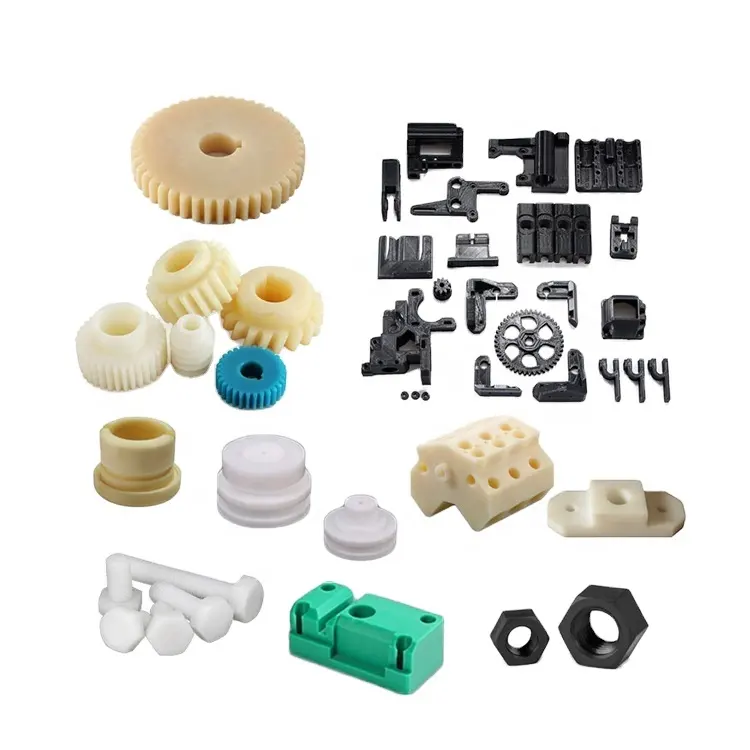
Common Plastic Materials Used in CNC Machining:
Acrylonitrile Butadiene Styrene (ABS):
Widely used for its impact resistance and toughness. Often used in automotive parts, electronic housings, and consumer goods.
Widely used for its impact resistance and toughness. Often used in automotive parts, electronic housings, and consumer goods.
Polycarbonate:
Known for its high impact resistance, transparency, and heat resistance. Used in applications where clarity and durability are required, such as safety goggles, lenses, and medical devices.
Known for its high impact resistance, transparency, and heat resistance. Used in applications where clarity and durability are required, such as safety goggles, lenses, and medical devices.
Nylon (Polyamide):
Excellent strength, abrasion resistance, and flexibility. Used in gears, bearings, bushings, and other machine parts.
Excellent strength, abrasion resistance, and flexibility. Used in gears, bearings, bushings, and other machine parts.
Polyoxymethylene (POM):
Known for its stiffness, low friction, and excellent dimensional stability. Often used in precision parts such as gears, bearings, and connectors.
Known for its stiffness, low friction, and excellent dimensional stability. Often used in precision parts such as gears, bearings, and connectors.
Polyethylene (PE):
Has excellent chemical resistance and low friction. Used in applications such as containers, packaging, and parts in the food industry.
Has excellent chemical resistance and low friction. Used in applications such as containers, packaging, and parts in the food industry.
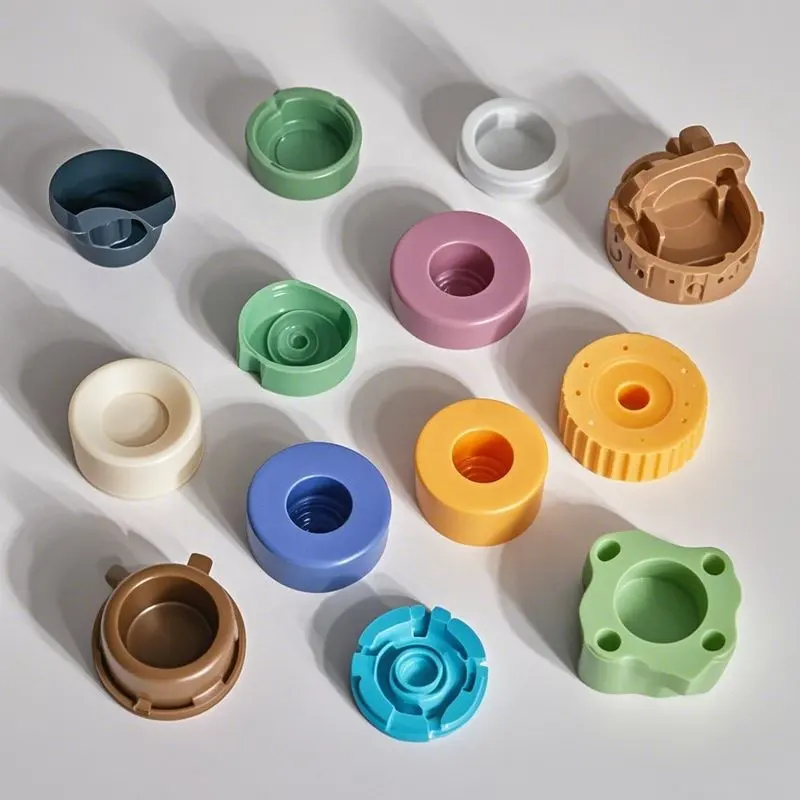
Common plastic materials used in 3D printing (FDM/FFF, SLA, SLS):
Polylactic acid (PLA):
Biodegradable and easy to print. Often used for prototypes, hobby projects, and consumer goods.
Acrylonitrile butadiene styrene (ABS):
Excellent strength and heat resistance. Used for functional prototypes, automotive parts, and electronics housings.
Polyethylene terephthalate glycol (PETG):
Combines the benefits of PET and ABS with excellent strength, chemical resistance, and ease of printing. Good for mechanical parts and containers.
Resins (SLA/DLP):
SLA and DLP printing use different types of resins for high-definition, high-resolution printing with different properties such as flexibility, toughness, and transparency.
Polyamide (nylon):
Used in selective laser sintering (SLS) due to its strength, durability, and abrasion resistance. Ideal for functional prototypes and end-use parts.
These are just a few examples of common plastic materials used in CNC machining and 3D printing processes. The choice of material depends on the specific requirements of the part, including mechanical properties, surface finish and application.
How big is the difference in accuracy between contact and non-contact roughness meters?
Plastic using in CNC Machining Industry
Related Article

This article analyzes the prospects of the custom parts industry from three aspects: market demand, technological innovation, and challenges and opportunities, with specific cases to illustrate its development trends.
Analysis of the Prospects of the Custom Parts Industry
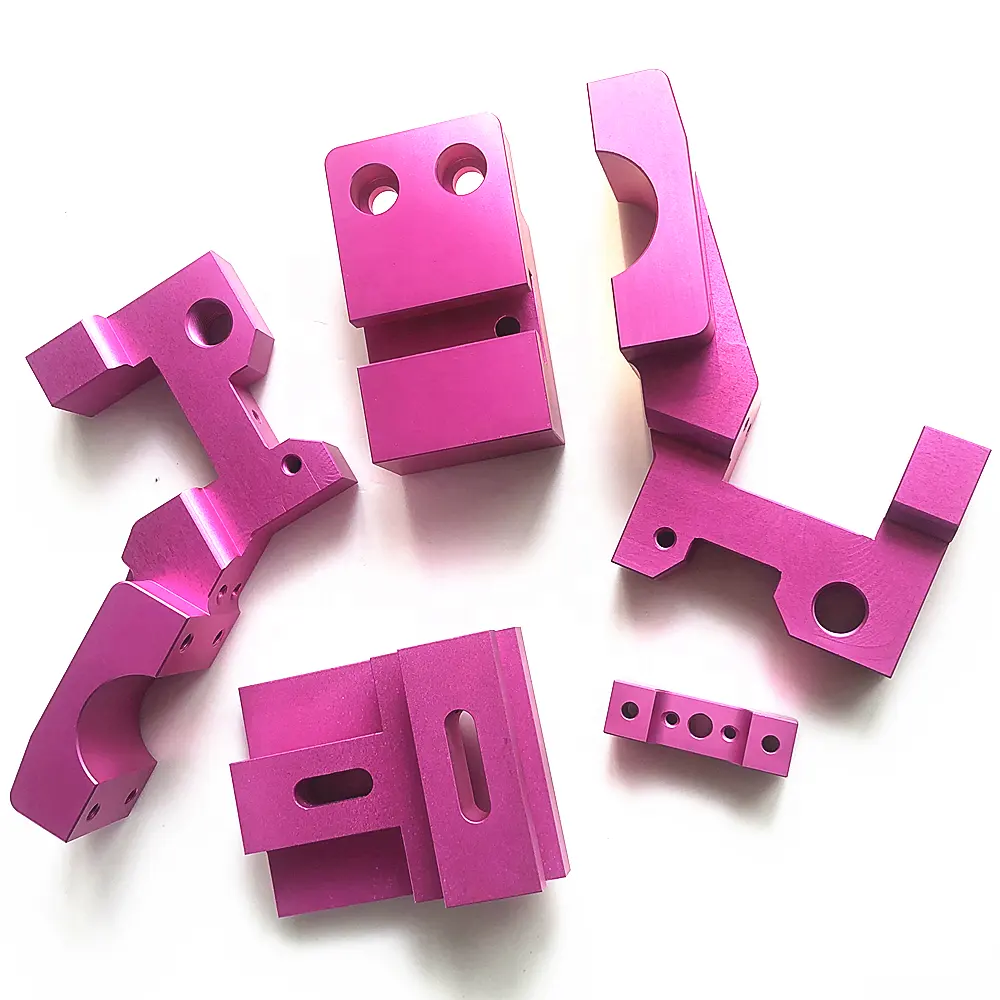
This article details CNC precision technology, covering its definition, applications in aerospace and electronics, advantages like high precision and automation, and its promising future in the manufacturing industry.
CNC Precision Technology: The Core Code of Modern Manufacturing and Its Infinite Potential
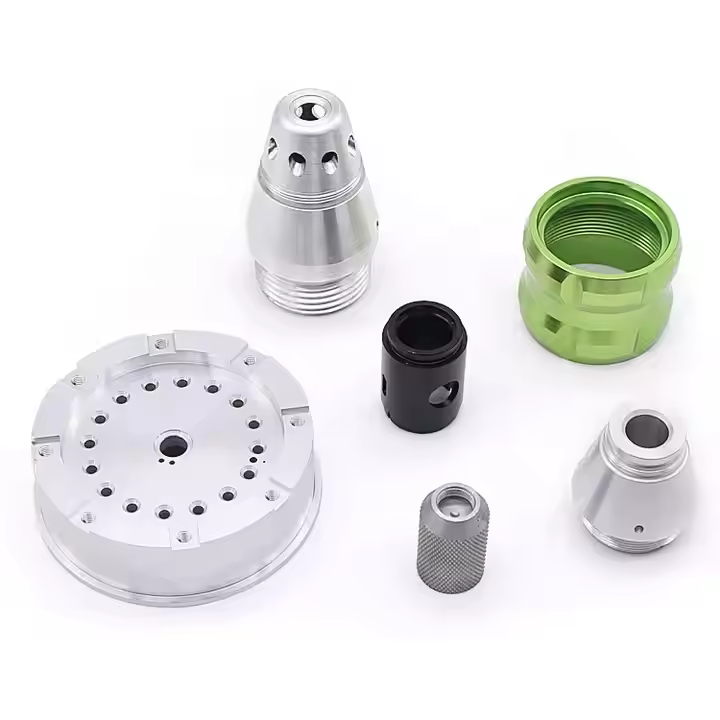
This part focuses on the shipbuilding industry, presenting a case of CNC technology application in the processing of large - scale ship propellers. It showcases how CNC technology addresses challenges in this field, improving processing efficiency and product quality, thus highlighting its significance in ship manufacturing.
CNC Technology Application Cases (Part 2)

This article focuses on the medical device manufacturing and 3C product manufacturing fields. Through specific cases, it elaborates on the remarkable achievements of CNC technology in manufacturing complex and precise components and improving product quality, demonstrating its crucial role in related industries.
CNC Technology Application Cases (Part 1)