
Analysis of the Prospects of the Custom Parts Industry
author: DJ-03
2025-02-11
Analysis of the Prospects of the Custom Parts Industry
Abstract
This article analyzes the prospects of the custom parts industry from three aspects: market demand, technological innovation, and challenges and opportunities, with specific cases to illustrate its development trends.
-
Medical Field
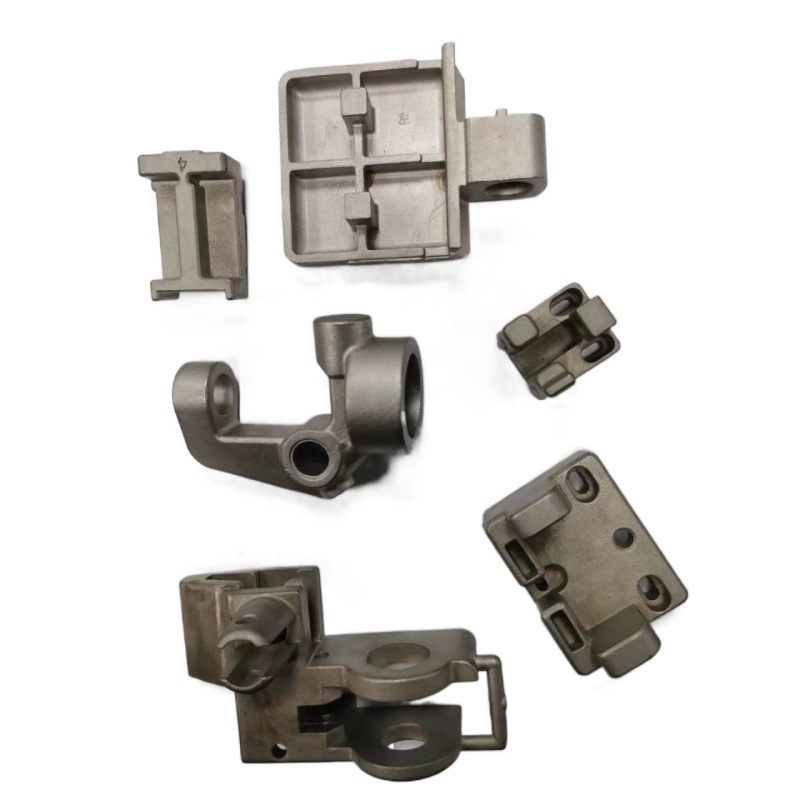
Remarkable progress has been made in prosthetic customization. For example, a German patient who lost his lower limb due to an accident, through a professional custom parts company, used 3D scanning to obtain accurate data of the residual limb and customized a prosthetic limb that fits the shape and force - bearing characteristics of the residual limb. This prosthetic limb can simulate the movement pattern of a normal limb and greatly improve the patient's mobility.
-
Automotive Industry
Tesla customized special battery management system parts to improve the range and performance of electric vehicles. These parts optimize the charging and discharging efficiency of the battery and meet the unique needs of Tesla's high - performance electric vehicles.
-
3D Printing Technology
An American aerospace enterprise had difficulty manufacturing engine blades with complex internal cooling channels using traditional manufacturing processes. With the help of 3D printing technology, it precisely constructed the complex internal structure layer by layer, improving the engine's cooling efficiency and performance.
-
CNC Machining Technology
A Swiss precision machinery manufacturing company used high - precision CNC machining equipment to customize parts with micron - level precision for high - end watch brands, ensuring the accurate timekeeping and exquisite appearance of the watches and meeting the stringent requirements of the high - end market for precision parts.
-
Competition Challenges
Numerous enterprises have flooded into the custom parts market, and the competition is fierce. For example, a small - scale custom parts processing enterprise in China, by focusing on customizing sensor parts for smart home devices, has gained a firm foothold in the market with high - quality products and rapid response services.
-
Raw Material Price Fluctuation Challenges
A Japanese automotive parts customization enterprise has effectively coped with the cost pressure brought about by the rise in raw material prices by establishing long - term cooperative relationships with multiple raw material suppliers and optimizing inventory management.
With the development of emerging technologies such as 5G and the Internet of Things, the demand for custom parts in smart device manufacturing will increase significantly, bringing broad development space for the custom parts industry.
CNC Precision Technology: The Core Code of Modern Manufacturing and Its Infinite Potential
Related Article
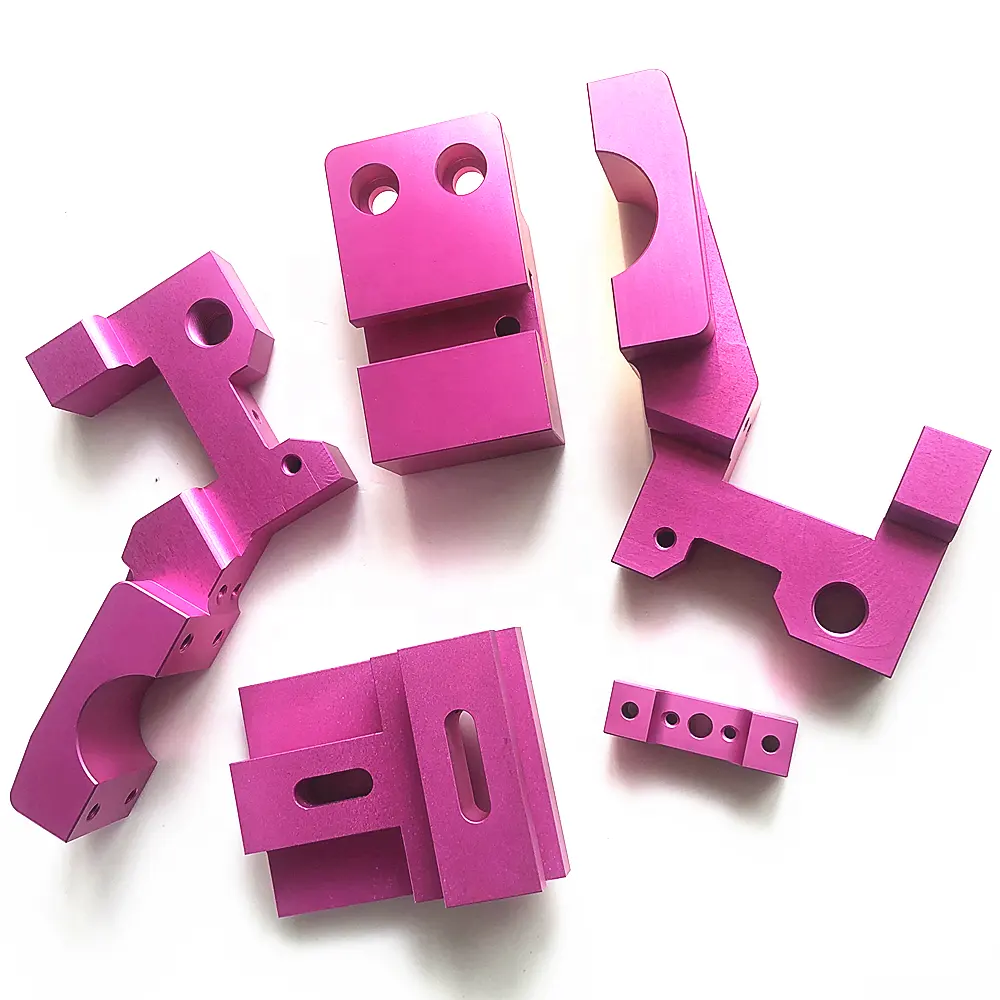
This article details CNC precision technology, covering its definition, applications in aerospace and electronics, advantages like high precision and automation, and its promising future in the manufacturing industry.
CNC Precision Technology: The Core Code of Modern Manufacturing and Its Infinite Potential
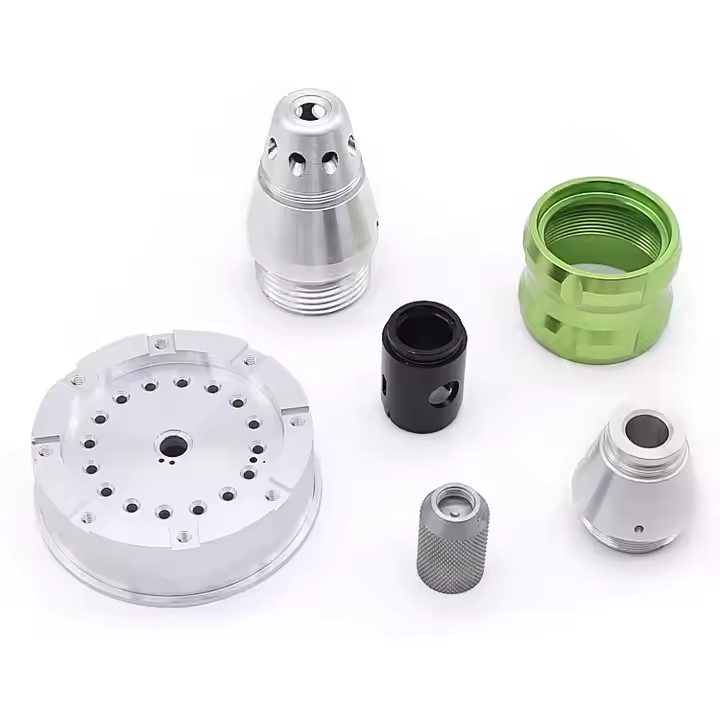
This part focuses on the shipbuilding industry, presenting a case of CNC technology application in the processing of large - scale ship propellers. It showcases how CNC technology addresses challenges in this field, improving processing efficiency and product quality, thus highlighting its significance in ship manufacturing.
CNC Technology Application Cases (Part 2)

This article focuses on the medical device manufacturing and 3C product manufacturing fields. Through specific cases, it elaborates on the remarkable achievements of CNC technology in manufacturing complex and precise components and improving product quality, demonstrating its crucial role in related industries.
CNC Technology Application Cases (Part 1)
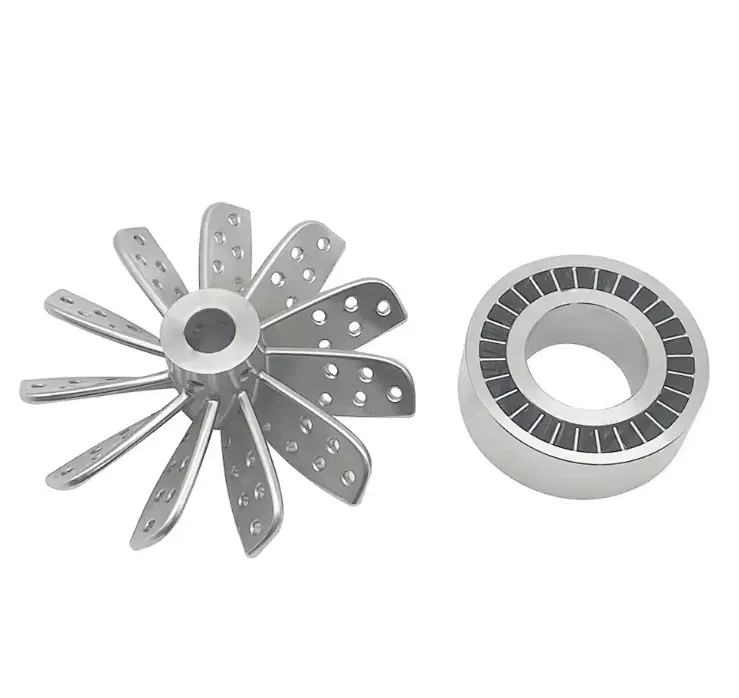
This article delves into the challenges faced by CNC technology during its development, such as technological bottlenecks, talent shortages, and cost pressures. Correspondingly, it proposes countermeasures including technological innovation, talent cultivation, and cost control to facilitate the continuous development of CNC technology.
Challenges and Countermeasures of CNC Technology