
Chromium plating
author: DJ-02
2025-01-23

Chromium plating is a metal surface treatment process that deposits a layer of chromium metal film on the surface of the substrate by electroplating or chemical plating. Chromium plating not only improves the aesthetics of the product, but also improves its corrosion resistance, wear resistance and oxidation resistance. Below is detailed information about chromium plating, including its types, advantages and disadvantages, application areas and process flow.
Types of chromium plating
Electroplating Chromium:
Principle: The chromium ions are reduced from the electrolyte and deposited on the surface of the substrate by electric current.
Features: Usually used in large-scale production, the coating is uniform.
Electroless Chromium Plating:
Principle: Chromium is deposited on the surface of the substrate by chemical reaction without external power supply.
Features: Suitable for parts with complex shapes and uniform coating thickness.
Advantages and Disadvantages
Advantages:
Corrosion resistance: The chrome plating layer can effectively prevent the substrate from oxidation and corrosion.
Wear resistance: Improve the hardness of the surface and enhance wear resistance.
Aesthetics: The chrome-plated surface is bright, smooth and elegant in appearance.
Oxidation resistance: Able to resist high temperature and oxidation, extending service life.
Disadvantages:
Cost: Chrome plating is relatively expensive, especially when produced in small batches.
Environmental impact: Hazardous substances may be produced during the chrome plating process, so the operation process needs to be strictly controlled.
Brittleness: In some cases, the chrome plating layer may be brittle and easy to peel off.
Application areas
Automotive industry: Used for decoration and protection of parts such as automobile shells, rims, handles, etc.
Home appliances: Used for the shells of home appliances such as refrigerators and washing machines to improve appearance and durability.
Architectural decoration: Applied to metal decorative parts such as doors, windows, and handrails.
Tools and machinery: Used for industrial parts such as cutting tools and bearings to improve wear resistance.
Process flow
Surface preparation:
Clean the surface of the substrate to remove oil, rust and impurities to ensure good adhesion.
Electroplating or chemical plating:
Electroplating: Immerse the substrate in a chromium electrolyte and apply an electric current to deposit chromium ions on the surface.
Chemical plating: Immerse the substrate in a chemical solution containing chromium ions and rely on chemical reactions to deposit a chromium layer.
Post-treatment:
Cleaning the chrome-plated surface to remove residual chemicals.
Polishing or coating as needed to improve gloss and protection.
Summary
Chrome plating is an effective metal surface treatment process that can significantly improve the performance and appearance of metal materials. By selecting the appropriate chrome plating type and process parameters, the needs of different application fields can be met. Although chrome plating has many advantages, attention should be paid to environmental protection and safety issues during operation.
How does the thickness of the chrome plating affect its corrosion and wear resistance?
Principle of Ultrasonic Wire Drawing
Related Article

This article analyzes the prospects of the custom parts industry from three aspects: market demand, technological innovation, and challenges and opportunities, with specific cases to illustrate its development trends.
Analysis of the Prospects of the Custom Parts Industry
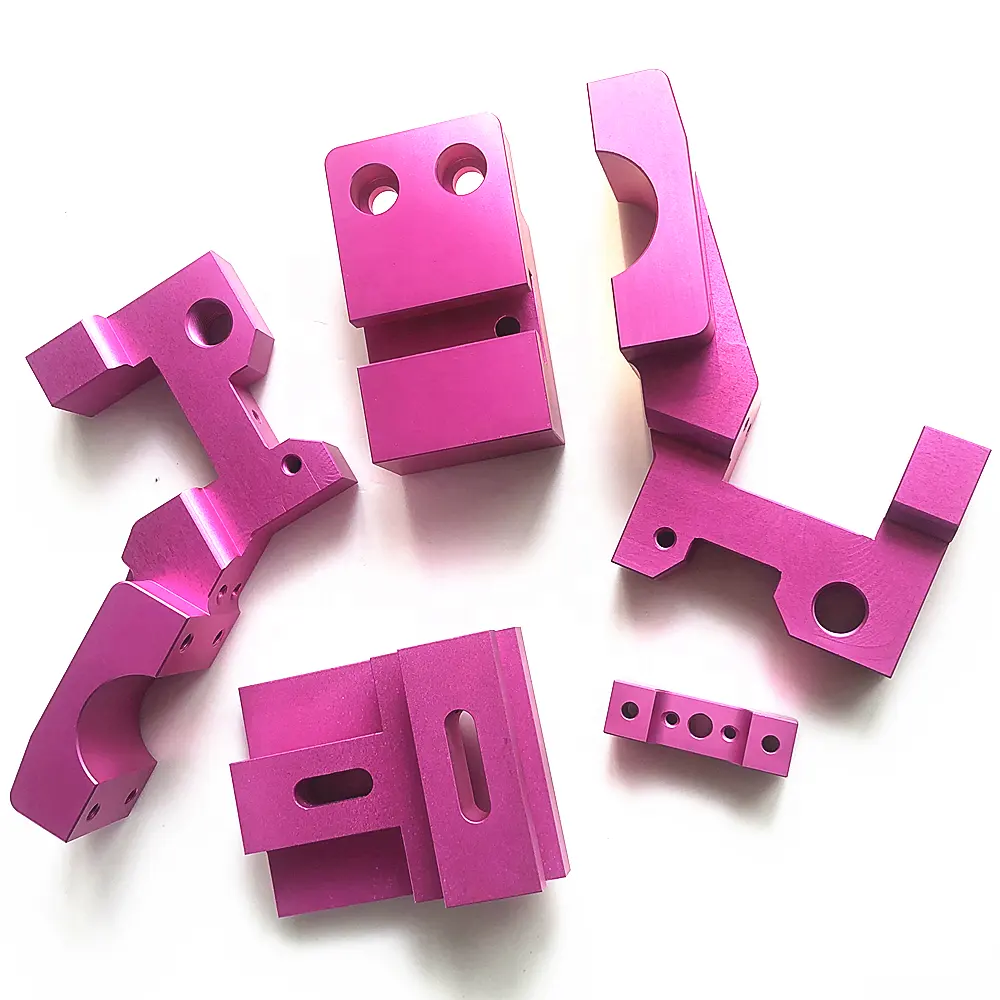
This article details CNC precision technology, covering its definition, applications in aerospace and electronics, advantages like high precision and automation, and its promising future in the manufacturing industry.
CNC Precision Technology: The Core Code of Modern Manufacturing and Its Infinite Potential
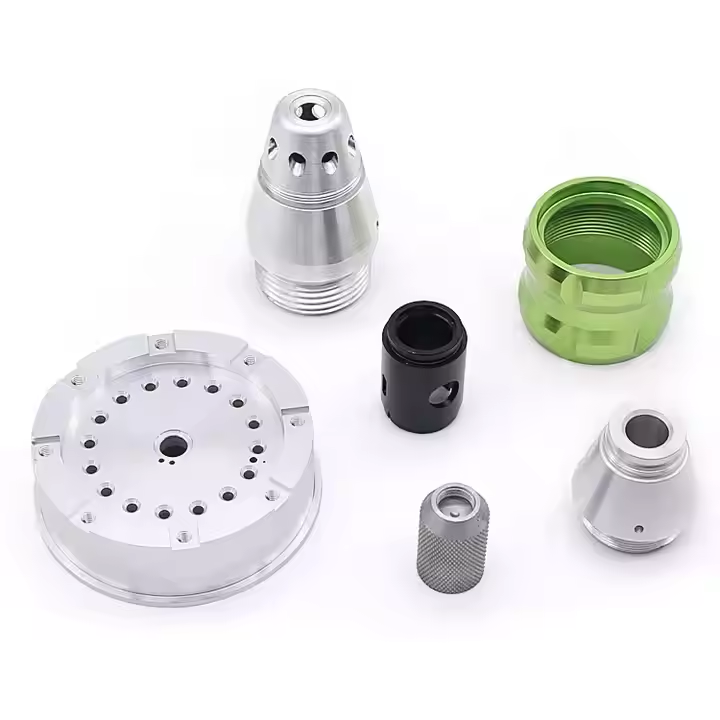
This part focuses on the shipbuilding industry, presenting a case of CNC technology application in the processing of large - scale ship propellers. It showcases how CNC technology addresses challenges in this field, improving processing efficiency and product quality, thus highlighting its significance in ship manufacturing.
CNC Technology Application Cases (Part 2)
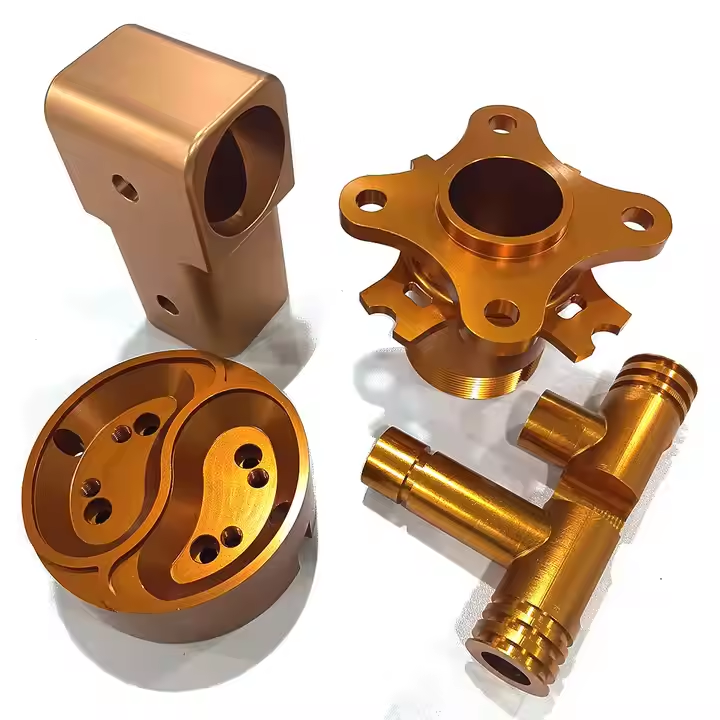
This article focuses on the medical device manufacturing and 3C product manufacturing fields. Through specific cases, it elaborates on the remarkable achievements of CNC technology in manufacturing complex and precise components and improving product quality, demonstrating its crucial role in related industries.
CNC Technology Application Cases (Part 1)