
Advantages and Application areas of 5-Axis Machining
author: DJ-04
2024-10-17
Advantages and Application areas of 5-Axis Machining
Advantages of five-axis machining:
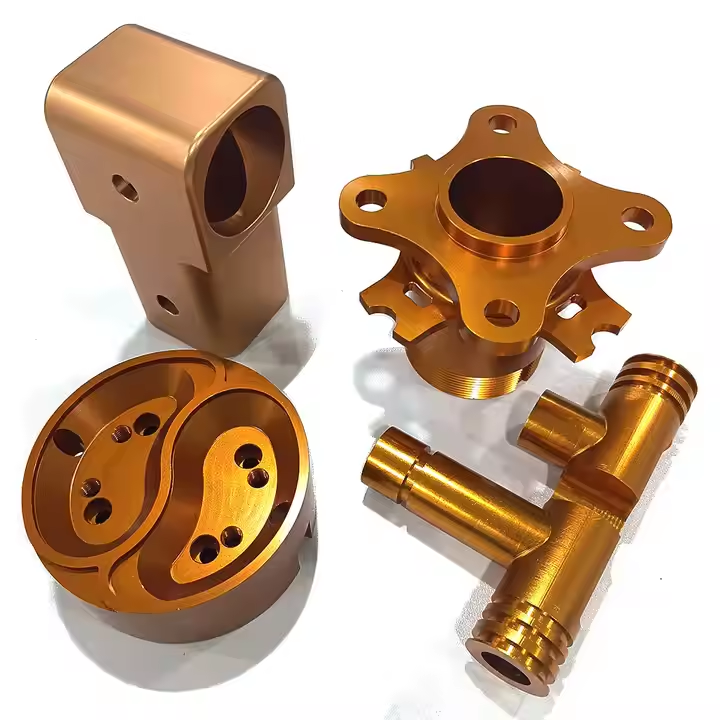
More complex geometries: Five-axis machining can cut in multiple directions simultaneously, allowing the machined parts to have more complex geometries, including curved surfaces, spirals, and complex holes.
Higher machining efficiency: By cutting at multiple angles at the same time, five-axis machining can significantly reduce the number of times the part needs to be re-clamped, thereby improving production efficiency and machining accuracy.
Fewer tool changes: Because it can cut at multiple angles, five-axis machining can complete the machining of the entire part with one clamping, reducing the number of tool changes and improving production efficiency.
Reduce machining residues: By optimizing the tool path, five-axis machining can reduce the residue generated during cutting, improve the quality of the machined surface, and reduce subsequent surface treatment processes.
Higher machining accuracy: Five-axis machining can achieve more subtle and complex cutting actions, thereby improving machining accuracy and surface quality, and is suitable for machining parts with high precision requirements.
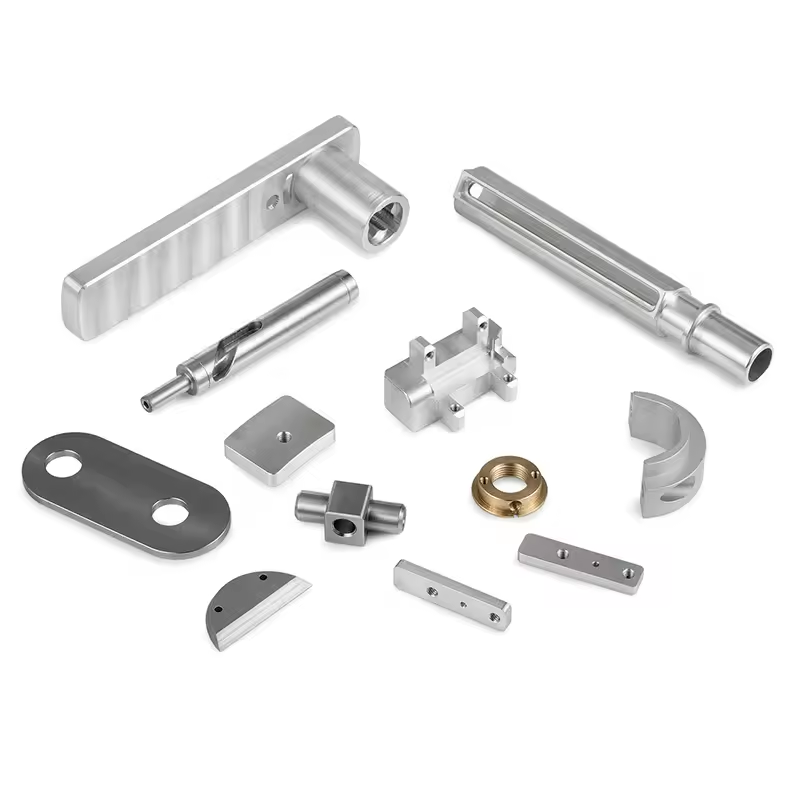
Application areas of five-axis machining:
Aerospace industry: Five-axis machining is often used to process complex parts such as aircraft engine parts, turbine blades, and spacecraft components, which require high precision and complex geometries.
Automotive manufacturing: In automotive manufacturing, five-axis machining can be used to process high-precision and complex-shaped parts such as automotive engine parts, steering systems, chassis components, etc.
Medical device manufacturing: Medical devices such as artificial joints and dental implants require precision machining, and five-axis machining can provide high-precision, ergonomic parts processing.
Shipbuilding: Ship structures are complex, and five-axis machining can be used to process large and complex parts such as hull parts and propellers to improve production efficiency and quality.
Mold manufacturing: Five-axis machining is widely used in mold manufacturing, and can process complex mold structures, mirror surfaces, etc., to improve the accuracy and surface quality of molds.
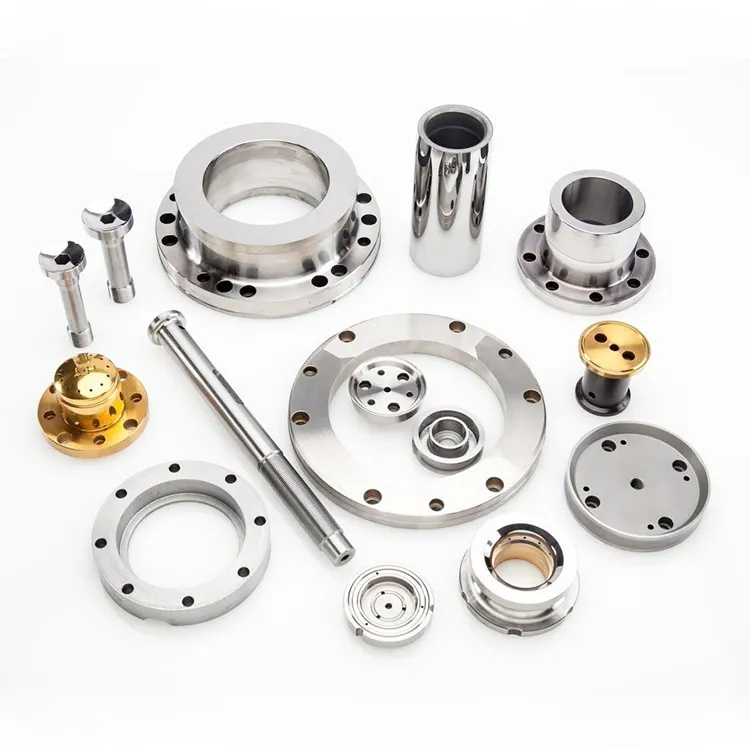
In general, five-axis machining technology has a wide range of applications, which can meet the needs of parts processing with complex geometries and high precision requirements, and provides more possibilities and opportunities for the manufacturing industry.
Paint spraying in CNC machining
How to divide CNC processing procedures?
Related Article

This article analyzes the prospects of the custom parts industry from three aspects: market demand, technological innovation, and challenges and opportunities, with specific cases to illustrate its development trends.
Analysis of the Prospects of the Custom Parts Industry
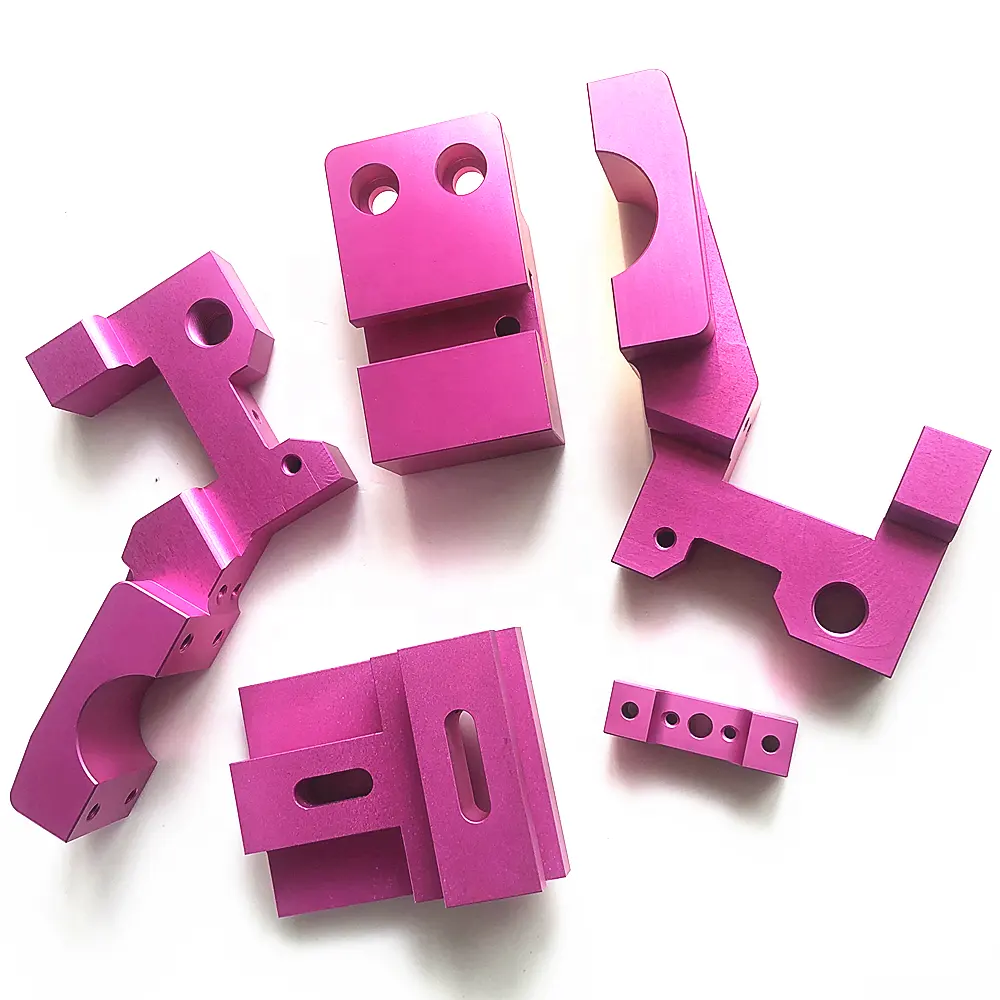
This article details CNC precision technology, covering its definition, applications in aerospace and electronics, advantages like high precision and automation, and its promising future in the manufacturing industry.
CNC Precision Technology: The Core Code of Modern Manufacturing and Its Infinite Potential
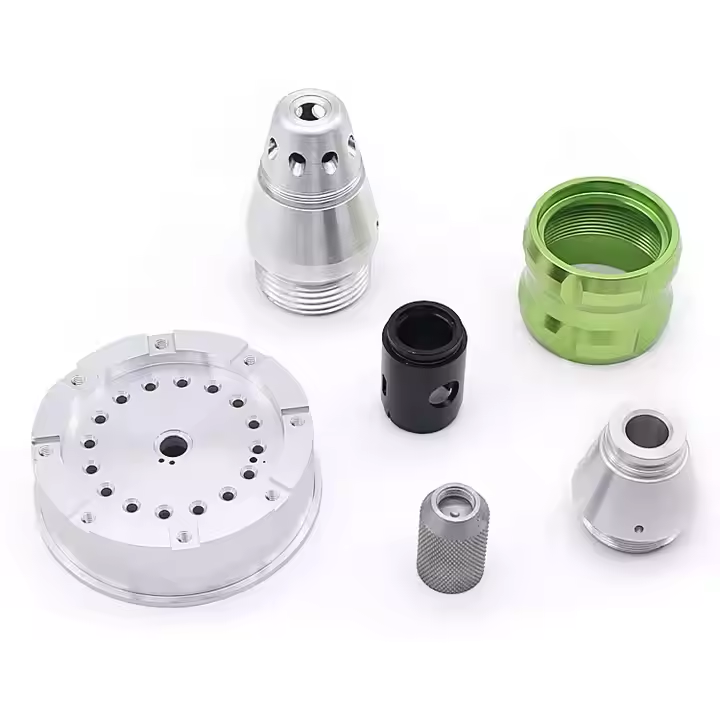
This part focuses on the shipbuilding industry, presenting a case of CNC technology application in the processing of large - scale ship propellers. It showcases how CNC technology addresses challenges in this field, improving processing efficiency and product quality, thus highlighting its significance in ship manufacturing.
CNC Technology Application Cases (Part 2)
This article focuses on the medical device manufacturing and 3C product manufacturing fields. Through specific cases, it elaborates on the remarkable achievements of CNC technology in manufacturing complex and precise components and improving product quality, demonstrating its crucial role in related industries.
CNC Technology Application Cases (Part 1)