
The importance of surface roughness
author: DJ-04
2024-12-16

The importance of surface roughness
In machining, surface roughness is a key quality indicator that directly affects the performance and service life of parts. The following is the importance of surface roughness in machining and its influencing factors:

Affecting contact performance: Surface roughness affects the contact stiffness and sealing between parts. Rough surfaces may lead to poor sealing, which affects the normal operation of the equipment.
Wear and corrosion resistance: Parts with good surface quality usually have higher wear and corrosion resistance and can maintain performance in harsh environments
Appearance and optical properties: Surface roughness also affects the appearance and optical properties of parts. Smooth surfaces are usually more attractive and suitable for high-end products
Electrical and thermal conductivity: In electronic and heat exchange applications, surface roughness affects electrical conductivity and thermal conductivity. Smooth surfaces help improve these properties
Factors affecting surface roughness
Tool geometry: The rake and back angles of the tool have a significant effect on surface roughness. Proper tool geometry can reduce friction during cutting, thereby reducing surface roughness
Workpiece material: Different materials have different cutting characteristics, and some materials are more likely to produce rough surfaces during machining, so choosing the right material is crucial to controlling surface roughness
Processing conditions: Processing parameters such as cutting speed, feed rate and cutting depth will affect surface roughness. Reasonable processing conditions can effectively reduce surface roughness
Vibration: The vibration of the machine tool will cause corrugated surface defects during machining, thereby increasing surface roughness
Conclusion
Surface roughness plays an important role in machining and affects the performance and service life of parts. By optimizing tool geometry, selecting appropriate materials and processing conditions, surface roughness can be effectively controlled and product quality can be improved.
Case Analysis of the Application of Metal and Plastic Parts in Consumer Electronic Devices
Electrophoresis: An Outstanding Metal Surface Treatment Process
Related Article

This article analyzes the prospects of the custom parts industry from three aspects: market demand, technological innovation, and challenges and opportunities, with specific cases to illustrate its development trends.
Analysis of the Prospects of the Custom Parts Industry
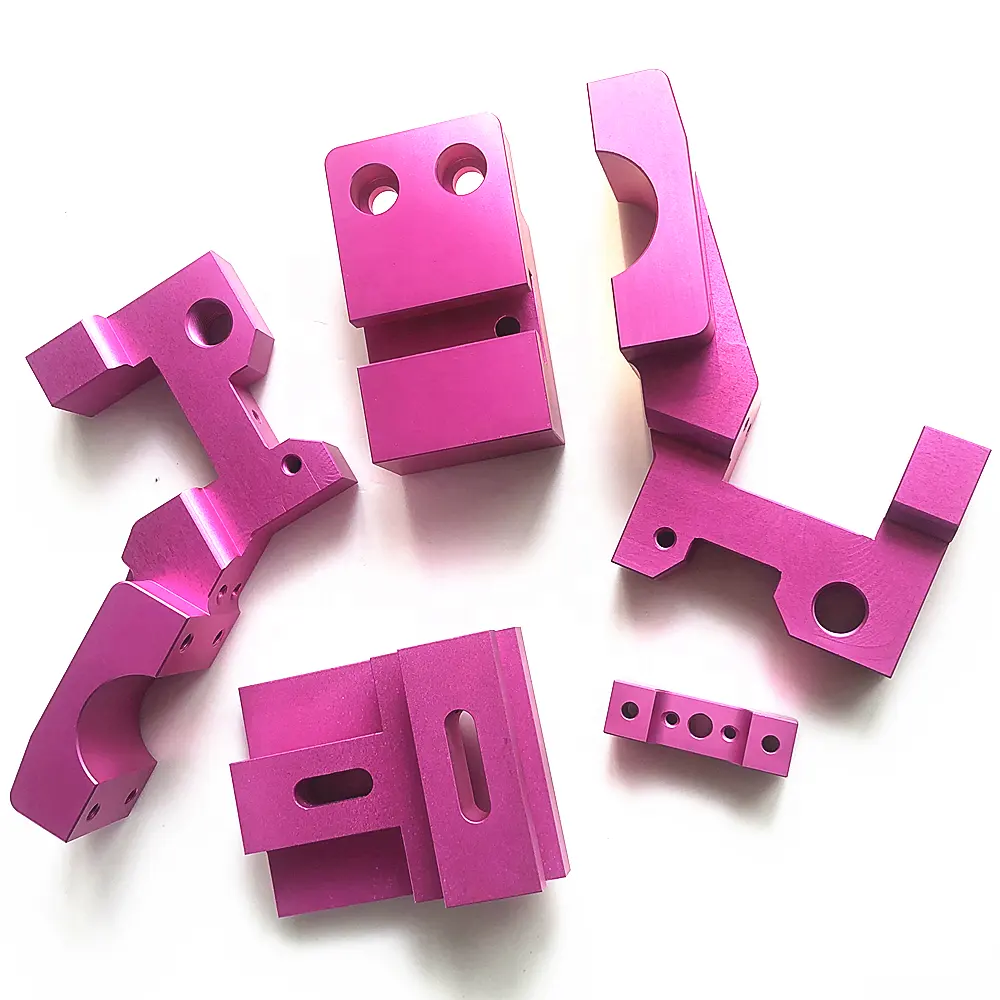
This article details CNC precision technology, covering its definition, applications in aerospace and electronics, advantages like high precision and automation, and its promising future in the manufacturing industry.
CNC Precision Technology: The Core Code of Modern Manufacturing and Its Infinite Potential
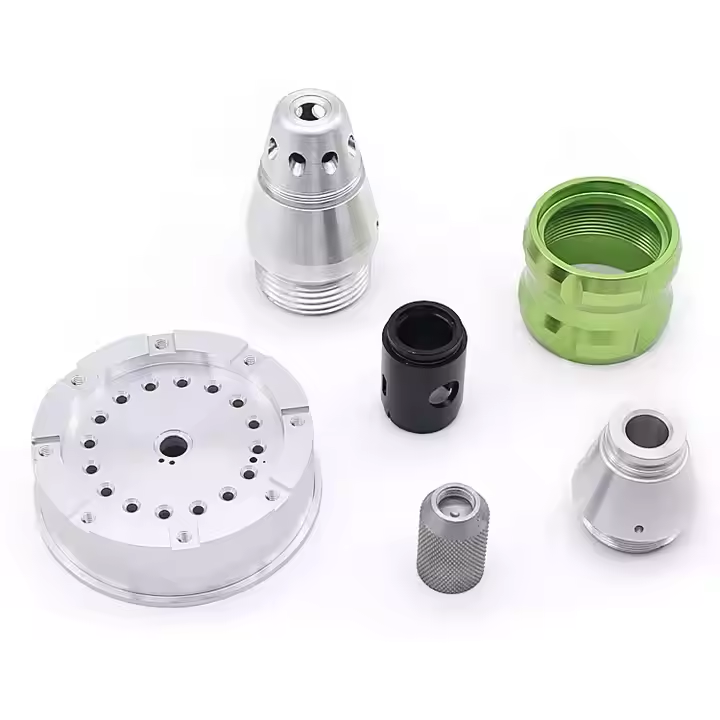
This part focuses on the shipbuilding industry, presenting a case of CNC technology application in the processing of large - scale ship propellers. It showcases how CNC technology addresses challenges in this field, improving processing efficiency and product quality, thus highlighting its significance in ship manufacturing.
CNC Technology Application Cases (Part 2)
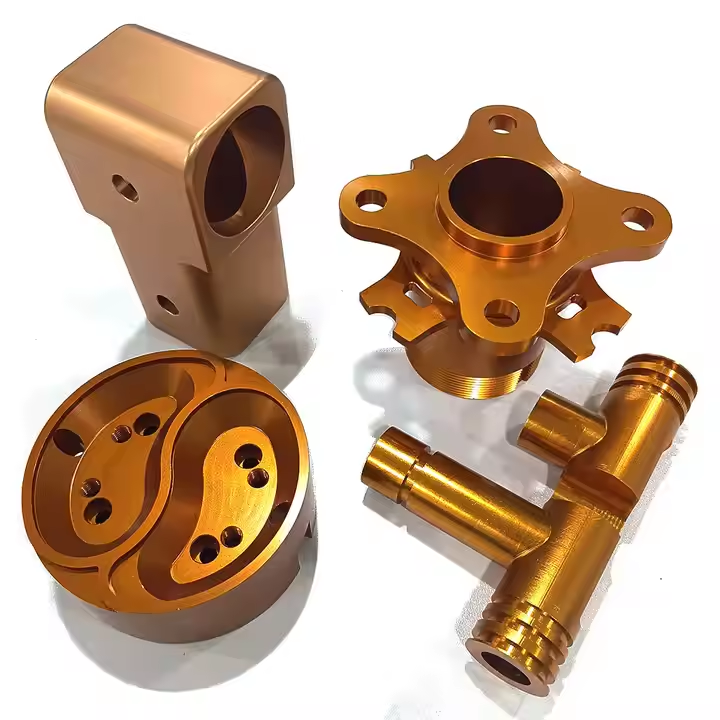
This article focuses on the medical device manufacturing and 3C product manufacturing fields. Through specific cases, it elaborates on the remarkable achievements of CNC technology in manufacturing complex and precise components and improving product quality, demonstrating its crucial role in related industries.
CNC Technology Application Cases (Part 1)