
What is parts surface treatment
author: DJ-01
2024-09-30
The definition of parts surface treatment
Parts surface treatment is the manufacture of parts on the exterior of the parts of a series of processing and treatment operations, commonly used surface treatment methods, including machining, chemical treatment, electrochemical treatment, heat treatment and so on. Mainly to change the physical and chemical properties of the surface of the parts and morphological structure, improve the surface of the parts wear resistance, corrosion resistance, lubrication and aesthetics, so that the parts can be better adapted to its application environment.
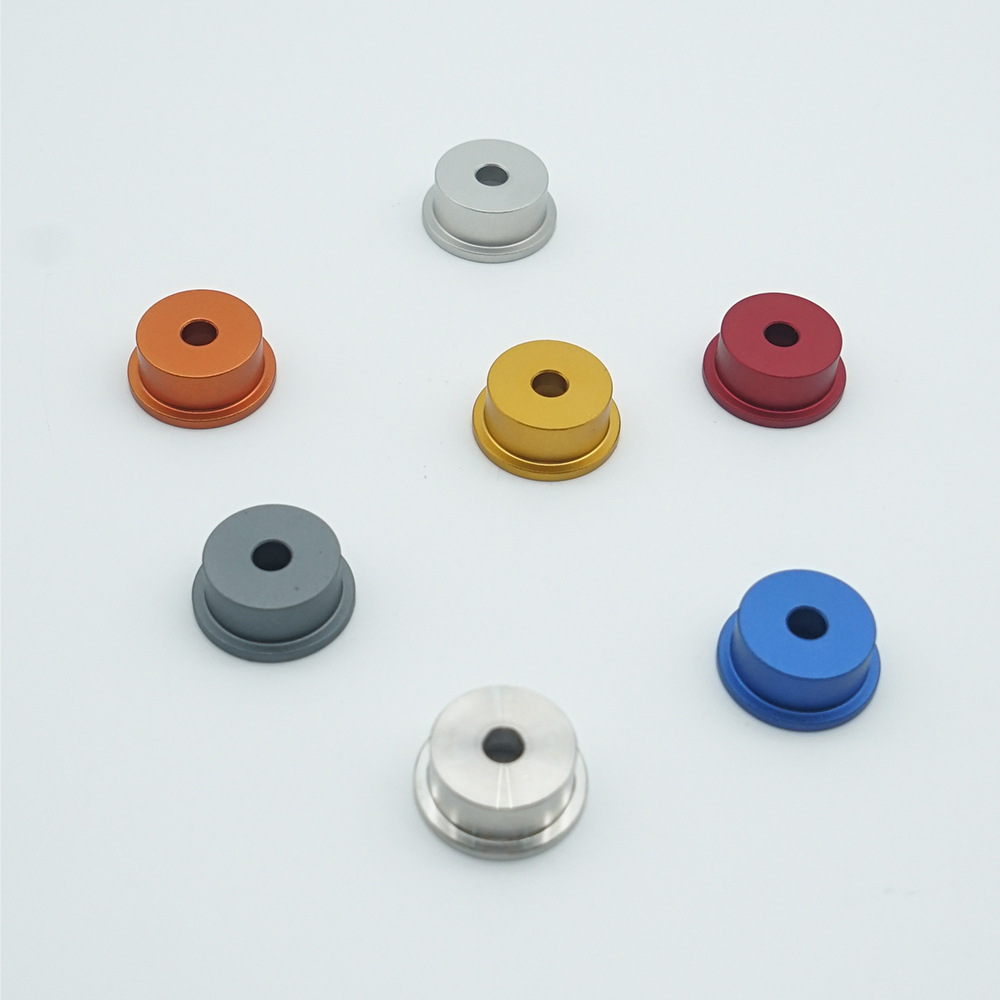
The importance of parts surface treatment
1. Improve corrosion resistance: many materials in the long-term use of corrosion phenomenon, and through the surface treatment can enhance the corrosion resistance of the material, to extend the service life of the material.
2. Improve wear resistance: surface treatment can make the surface of the parts become harder and stronger, enhance the wear resistance and service life of the parts.
3. Beautify the appearance: parts surface treatment can make the parts surface smoother, brighter, more beautiful, improve the ornamental and decorative parts.
4. Improve lubrication: surface treatment can make the surface of the parts smoother, thus playing a role in enhancing the lubricity of the parts to reduce friction between the parts, improve the efficiency and stability of the machine.

The common parts surface treatment
1. Mechanical processing: including grinding, polishing, brushing, etc., commonly used in metal material parts surface treatment.
2. Chemical treatment: including pickling, blue washing, acidification, chemical plating, etc., commonly used in metal materials, surface rust and hardening treatment.
3. Electrochemical treatment: including electroplating, electrolytic polishing, anodic oxidation, etc., commonly used in surface rust prevention and electrochemical modification of metal materials.
4. Heat treatment: including quenching, tempering, surface strengthening, etc., commonly used in surface modification and strengthening of metal materials.

The Role of CNC Machining
Basic knowledge of surface treatment: What is nickel plating?
Related Article

This article analyzes the prospects of the custom parts industry from three aspects: market demand, technological innovation, and challenges and opportunities, with specific cases to illustrate its development trends.
Analysis of the Prospects of the Custom Parts Industry
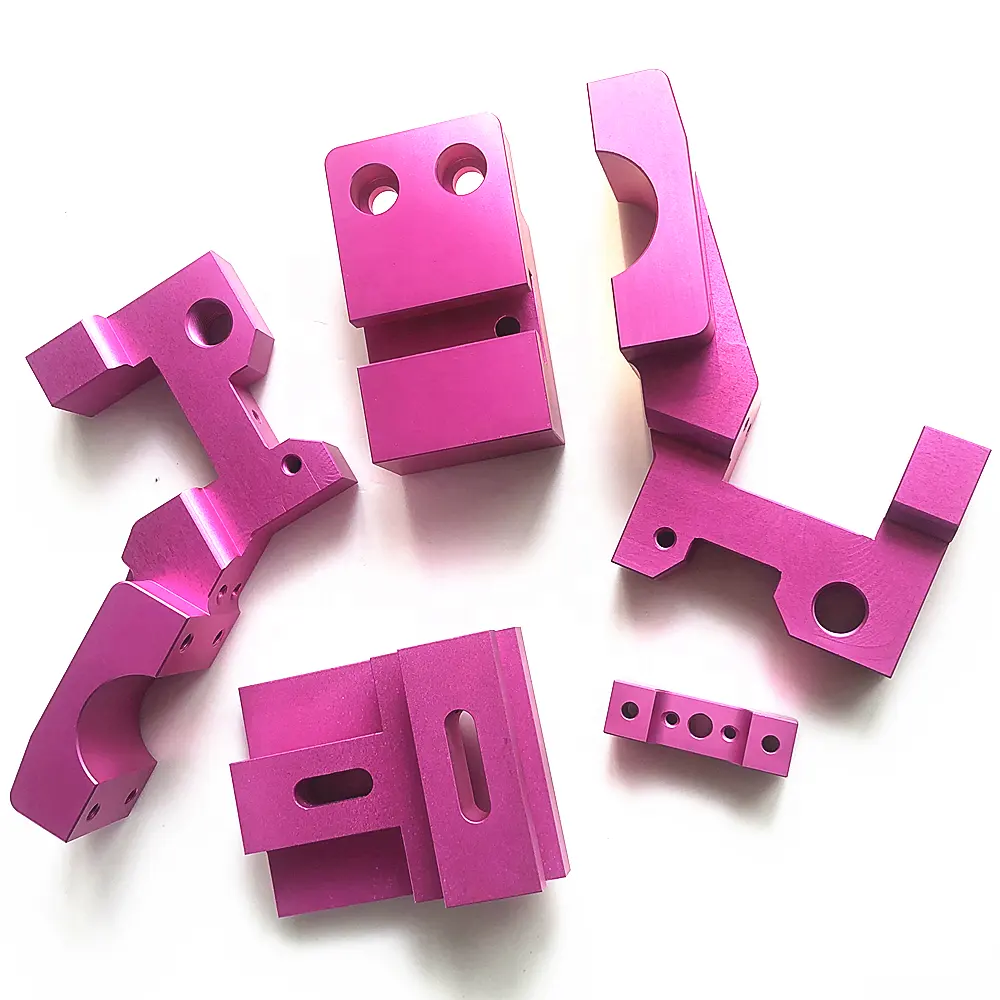
This article details CNC precision technology, covering its definition, applications in aerospace and electronics, advantages like high precision and automation, and its promising future in the manufacturing industry.
CNC Precision Technology: The Core Code of Modern Manufacturing and Its Infinite Potential
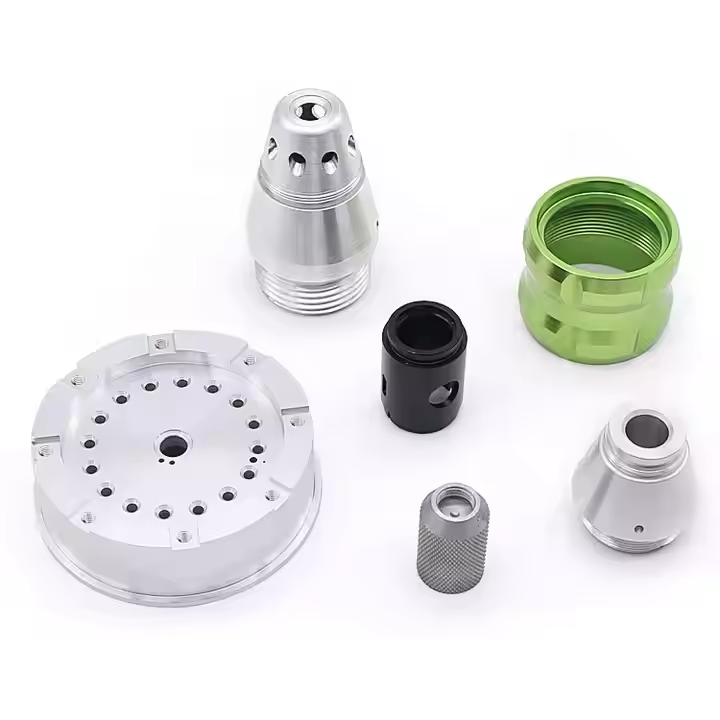
This part focuses on the shipbuilding industry, presenting a case of CNC technology application in the processing of large - scale ship propellers. It showcases how CNC technology addresses challenges in this field, improving processing efficiency and product quality, thus highlighting its significance in ship manufacturing.
CNC Technology Application Cases (Part 2)
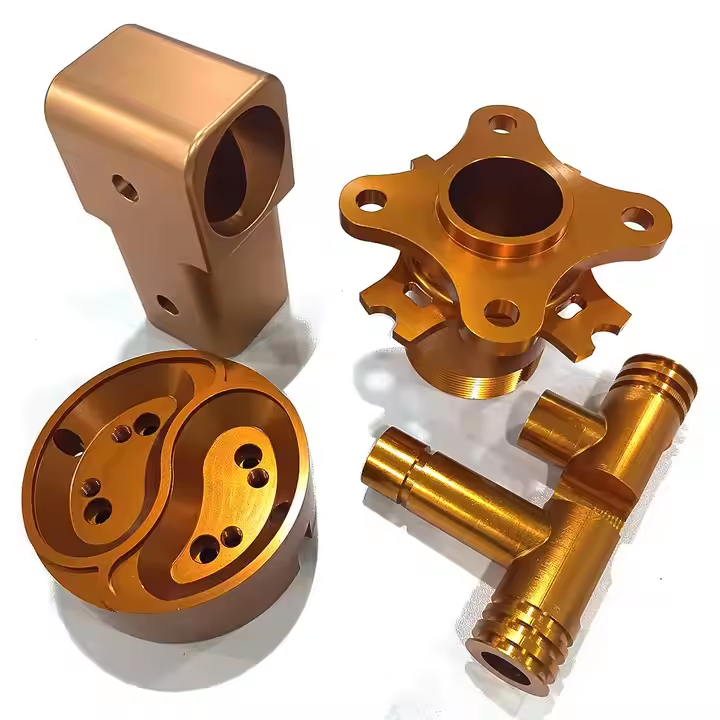
This article focuses on the medical device manufacturing and 3C product manufacturing fields. Through specific cases, it elaborates on the remarkable achievements of CNC technology in manufacturing complex and precise components and improving product quality, demonstrating its crucial role in related industries.
CNC Technology Application Cases (Part 1)