
12 common surface treatment with accuracy up to 0.01mm!
author: DJ-04
2024-09-25

12 common surface treatment with accuracy up to 0.01mm!
A complete product is not only machined, but also needs various surface treatments to achieve corrosion resistance, wear resistance, surface beauty, and long service life.
In addition to CNC technology, Djproto also has rich experience in surface treatment.

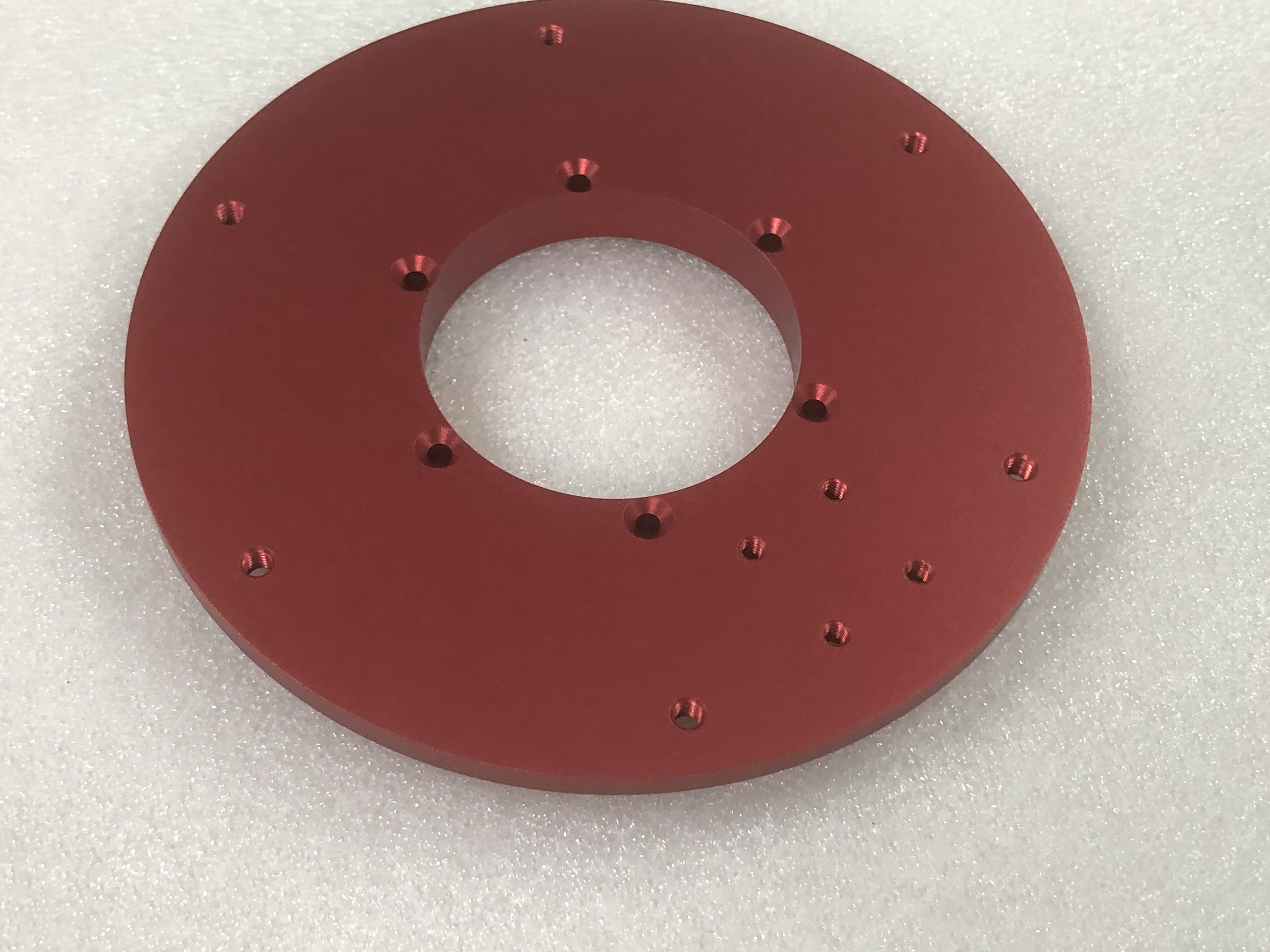
1.Anodizing
It is an electrolytic anodizing process that converts the surface of the material into a protective film, making it less prone to oxidation and corrosion, which can extend the life and achieve various color appearance effects.
Commonly used are:
- Ordinary anodizing
- Wire drawing anodizing
- Hard anodizing
- Thick film anodizing
- Micro-arc anodizing
The materials that can be oxidized are: aluminum alloy, magnesium alloy, titanium alloy, etc...

2.Polishing
Polishing is to make the product beautiful, transparent and protect the surface. Polishing is a good choice for you. The polishing of hardware products is divided into manual polishing, mechanical polishing and electrolytic polishing. Electrolytic polishing can be used to replace heavy mechanical polishing, especially for parts with complex shapes and parts that are difficult to process by manual polishing and mechanical methods. Electrolytic polishing is often used for steel, aluminum, copper and other parts.


3.QPQ
QPQ is the abbreviation of Quench-Polish-Quench, which means that ferrous metal parts are placed in two salt baths of different properties, and multiple elements are infiltrated into the metal surface to form a composite infiltration layer, thereby achieving the purpose of surface modification of parts. It has good wear resistance, fatigue resistance, corrosion resistance, and small deformation. This process is applicable to both steel materials.
(Note: Stainless steel products cannot be blackened, and can only be blackened through QPQ)


4.Electroplating
The basic process of electroplating is to immerse the parts in a solution of metal salt as the cathode, and the metal plate as the anode. The current is passed through to deposit the required coating on the parts. The appropriate electroplating effect will make your products more high-end and fashionable and bring better markets. Common electroplating includes: copper plating, nickel plating, silver plating, gold plating, chrome plating, zinc plating, tin plating, vacuum plating, etc.

5.Silk screen printing
Silk screen printing refers to the transfer of ink patterns onto products through a screen. The color of the ink can be customized according to customer needs.

6.Wire drawing
Wire drawing is a surface treatment method that uses a flat-pressed sand belt and a non-woven roller brush to form lines on the surface of the workpiece to achieve a decorative effect. Surface wire drawing can reflect the texture of metal materials and is becoming more and more popular in modern life. It is widely used in the shells of mobile phones, computers, monitors, furniture, electrical appliances, etc.
7.Laser engraving
Laser engraving, also known as laser engraving or laser marking, is a surface treatment process based on optical principles to form a logo or pattern on the product.
8.Blackening
Blackening is also called bluing. The principle is to immerse the product in a strong oxidizing chemical solution to produce an oxide film on the metal surface to isolate the air and achieve the purpose of rust prevention. This process is applicable to both steel materials.
9.Passivation
Passivation, also known as chromate treatment, is a pickling process that removes surface oil, rust, and oxides through immersion or ultrasonic cleaning. Through the chemical reaction of the passivation solution, it prevents corrosion and prolongs rust. The color of the passivation film will change with different materials. Passivation will not increase the thickness of the product, so there is no need to worry about it affecting the accuracy of the product.
10.Powder spraying and painting
Painting and powder spraying are two common surface treatments in hardware parts spraying. They are the most commonly used surface treatments for precision parts, small batch customization, etc.
11.Sandblasting
Sandblasting is one of the commonly used surface treatments for hardware products. It can improve cleanliness and roughness, increase the adhesion and durability between the product and the coating.
12.Teflon spraying
Also known as Teflon spraying, it is a very unique surface treatment, it has excellent anti-stickiness, non-stickiness, high temperature resistance, low friction, high hardness, non-wetting, high chemical resistance and other characteristics.
Metal screen printing: exquisite craftsmanship, diverse applications
Introduction to common stainless steel surface polishing levels in CNC machining
Related Article

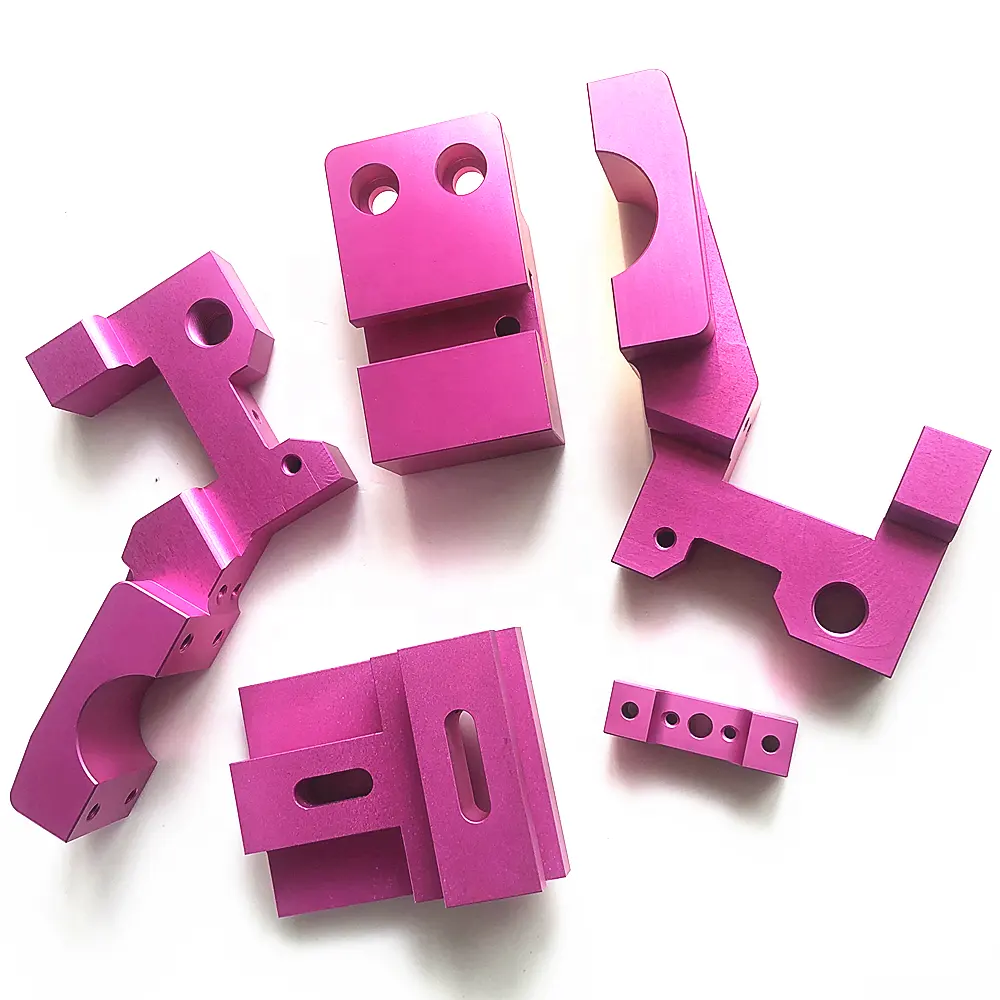
This article analyzes the prospects of the custom parts industry from three aspects: market demand, technological innovation, and challenges and opportunities, with specific cases to illustrate its development trends.
Analysis of the Prospects of the Custom Parts Industry
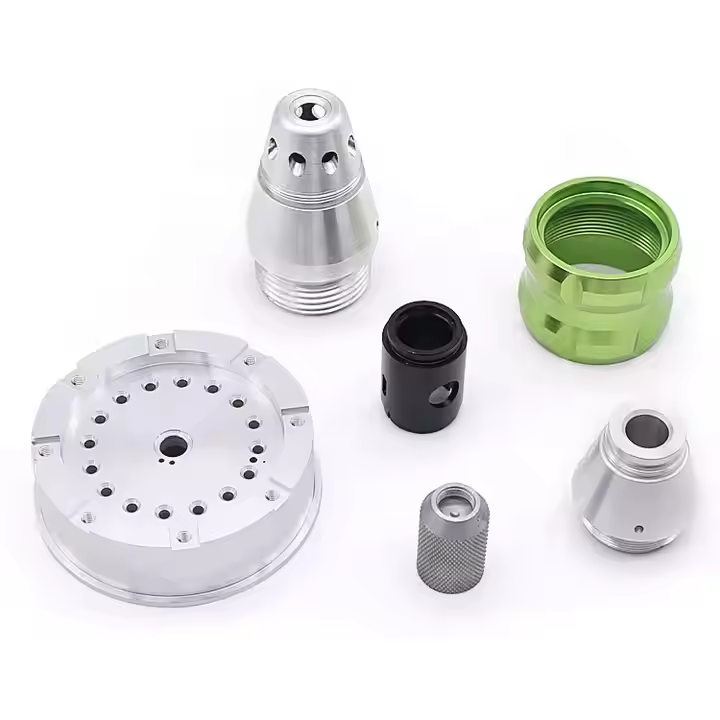
This article details CNC precision technology, covering its definition, applications in aerospace and electronics, advantages like high precision and automation, and its promising future in the manufacturing industry.
CNC Precision Technology: The Core Code of Modern Manufacturing and Its Infinite Potential
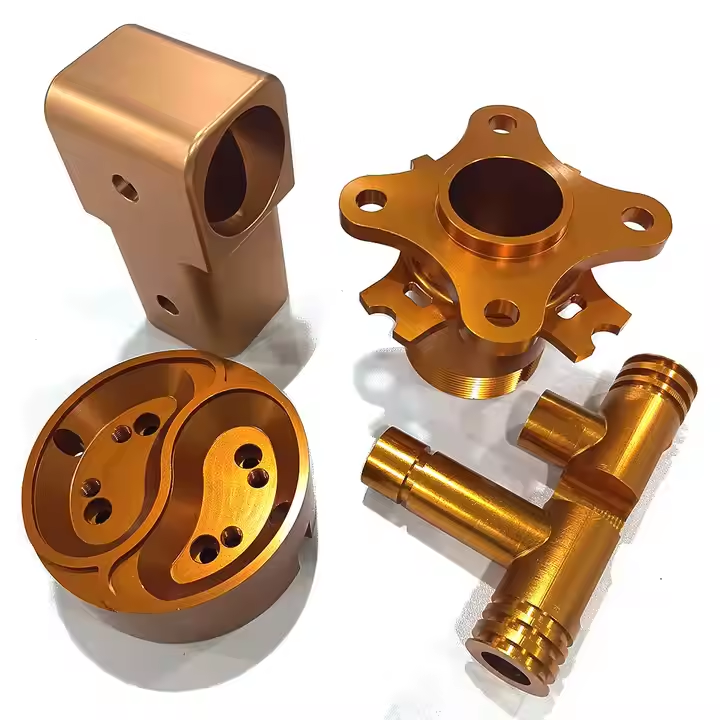
This part focuses on the shipbuilding industry, presenting a case of CNC technology application in the processing of large - scale ship propellers. It showcases how CNC technology addresses challenges in this field, improving processing efficiency and product quality, thus highlighting its significance in ship manufacturing.
CNC Technology Application Cases (Part 2)
This article focuses on the medical device manufacturing and 3C product manufacturing fields. Through specific cases, it elaborates on the remarkable achievements of CNC technology in manufacturing complex and precise components and improving product quality, demonstrating its crucial role in related industries.
CNC Technology Application Cases (Part 1)