
Processing Differences of Various Materials
author: DJ-04
2024-10-18
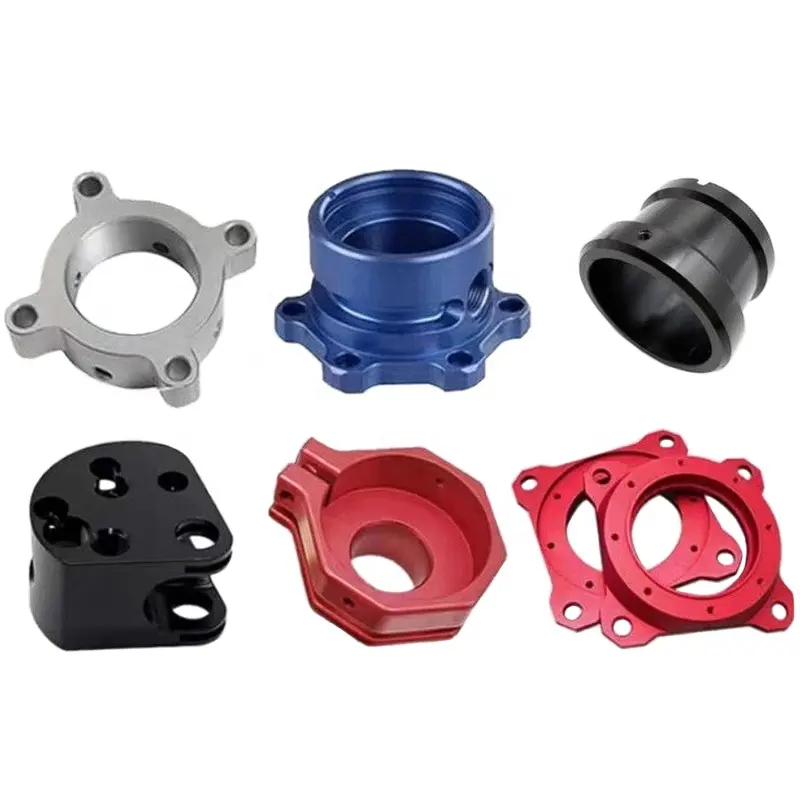
Processing Differences of Various Materials
In high-precision parts processing, choosing the right material is crucial. Here are some of the most suitable materials for high-precision parts processing and their characteristics:
1. Aluminum alloy
Features: light weight, easy processing, corrosion resistance.
Application: widely used in aerospace, automotive and electronic products.
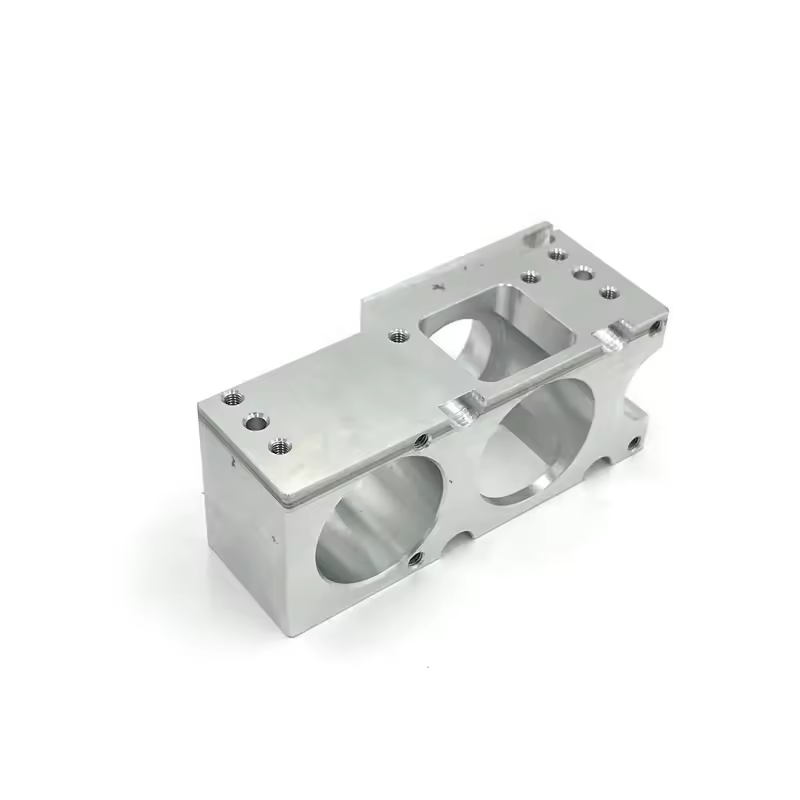
2. Stainless steel
Features: high strength, good corrosion resistance, easy to clean.
Application: suitable for medical equipment, food processing equipment and industrial parts.
3. Titanium alloy
Features: high strength, low density, corrosion resistance.
Application: commonly used in aerospace and medical implants and other fields that require high performance.
4. Carbon steel
Features: strong durability and economical.
Application: suitable for mechanical parts and structural parts.
5. Brass
Features: easy processing, good corrosion resistance, strong conductivity.
Application: used to manufacture valves, connecting pipes and electronic components.
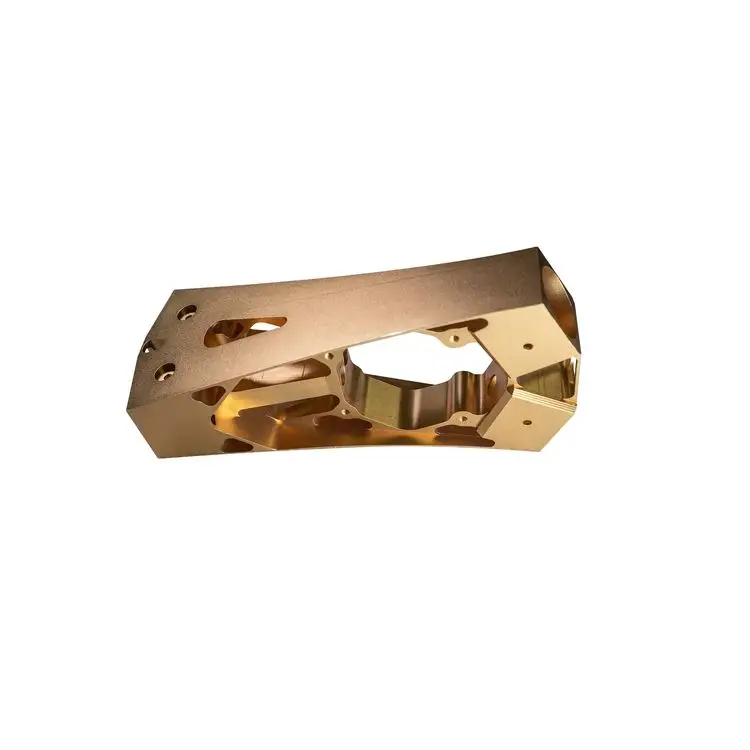
6. Cemented carbide
Features: extremely high hardness and wear resistance.
Application: suitable for parts processing with extremely high requirements for material strength and wear resistance.
7. Magnesium alloy
Features: The lightest structural metal with good machinability.
Application: Widely used in aerospace and automotive industries.
8. PEEK (Polyetheretherketone)
Features: High temperature resistance, chemical resistance, excellent mechanical properties.
Application: Suitable for precision products in high temperature and corrosive environments.
Choosing the right material not only affects the difficulty of processing, but is also directly related to the performance and service life of the final product. Therefore, when processing high-precision parts, it is very important to understand the characteristics and applicable scenarios of different materials.
Stainless steel material processing difficulties
Titanium alloy materials: TC4, TC11, TA2 application and processing
Related Article

This article analyzes the prospects of the custom parts industry from three aspects: market demand, technological innovation, and challenges and opportunities, with specific cases to illustrate its development trends.
Analysis of the Prospects of the Custom Parts Industry
This article details CNC precision technology, covering its definition, applications in aerospace and electronics, advantages like high precision and automation, and its promising future in the manufacturing industry.
CNC Precision Technology: The Core Code of Modern Manufacturing and Its Infinite Potential
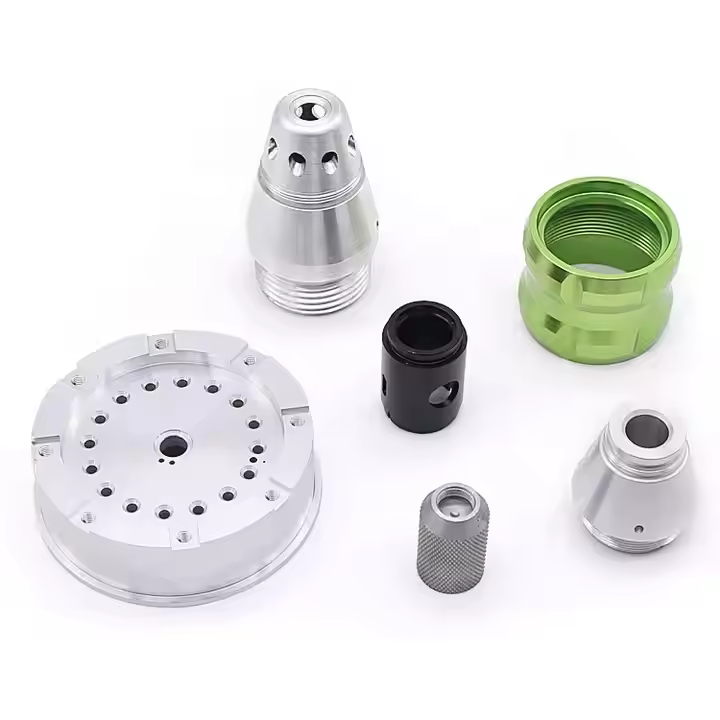
This part focuses on the shipbuilding industry, presenting a case of CNC technology application in the processing of large - scale ship propellers. It showcases how CNC technology addresses challenges in this field, improving processing efficiency and product quality, thus highlighting its significance in ship manufacturing.
CNC Technology Application Cases (Part 2)
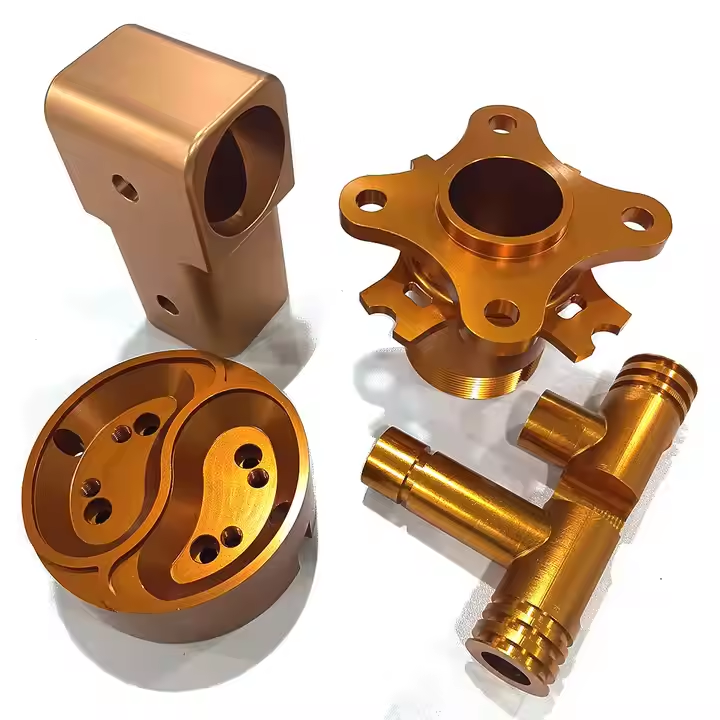
This article focuses on the medical device manufacturing and 3C product manufacturing fields. Through specific cases, it elaborates on the remarkable achievements of CNC technology in manufacturing complex and precise components and improving product quality, demonstrating its crucial role in related industries.
CNC Technology Application Cases (Part 1)