
What is the difference between 3D printing, casting and machining?
author: DJ-04
2025-01-16
What is the difference between 3D printing, casting and machining?
3D printing, casting and machining are three different manufacturing technologies, which have some obvious differences in working principles, applicable scenarios, advantages and disadvantages:
3D printing (Additive Manufacturing):

Working principle: Create three-dimensional objects by stacking materials layer by layer, and directly manufacture physical products from digital models.
Advantages: Ability to manufacture parts with complex geometric shapes, reduce material waste, and quickly manufacture prototypes or small batches of products.
Disadvantages: Slow speed, high surface roughness, limited material selection, and strength and heat resistance may not be as good as traditional manufacturing methods.
Casting:

Working principle: By forming a delicate model on the surface of the prototype model, and then covering the surface of the model with a layer of silicone or other materials, the required parts are finally obtained by casting.
Advantages: High-precision and smooth-surface parts can be manufactured, suitable for products that need to be mass-produced.
Disadvantages: It takes a long time to make molds, suitable for small and medium-sized batch production.
Machining (CNC Machining):
Working principle: The movement of machine tools and tools is controlled by pre-programmed computer software to remove materials from solid billets to manufacture the required parts.
Advantages: high precision, complex geometries, suitable for a wide range of materials, suitable for producing high-quality parts.
Disadvantages: long setup time, suitable for custom production and small batch production.
In general, 3D printing is suitable for rapid prototyping and small batch production, duplication is suitable for products that require mass production and high precision, and machining is suitable for manufacturing parts with high precision and complex geometries. Choosing the right manufacturing technology depends on factors such as product requirements, production volume and budget.
3D Printing and Aluminum Castings: The Cross - border Integration of Traditional Craft and Emerging Technology
Some examples of materials unsuitable for CNC machining
Related Article

This article analyzes the prospects of the custom parts industry from three aspects: market demand, technological innovation, and challenges and opportunities, with specific cases to illustrate its development trends.
Analysis of the Prospects of the Custom Parts Industry
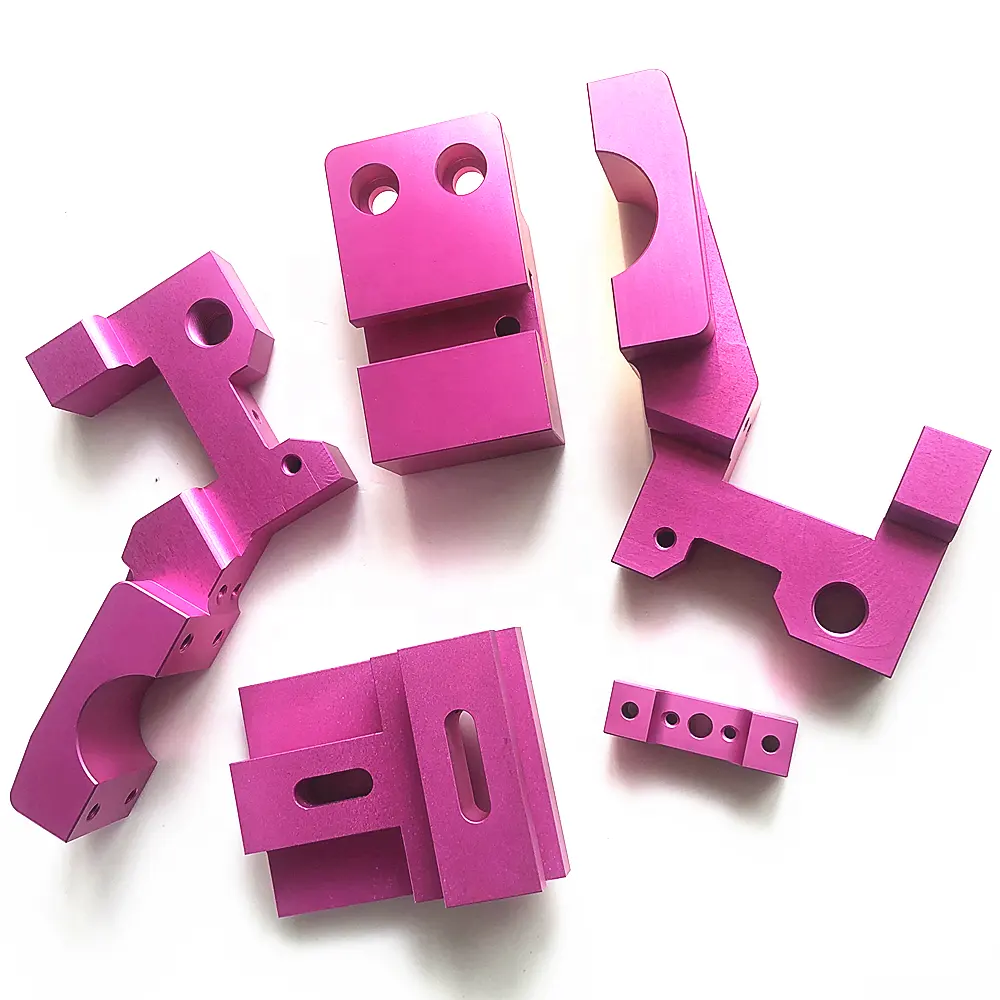
This article details CNC precision technology, covering its definition, applications in aerospace and electronics, advantages like high precision and automation, and its promising future in the manufacturing industry.
CNC Precision Technology: The Core Code of Modern Manufacturing and Its Infinite Potential
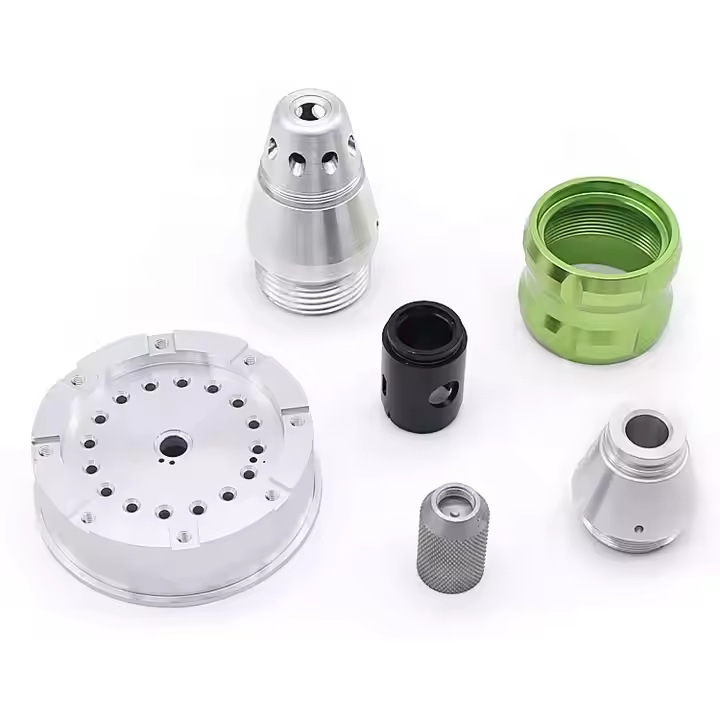
This part focuses on the shipbuilding industry, presenting a case of CNC technology application in the processing of large - scale ship propellers. It showcases how CNC technology addresses challenges in this field, improving processing efficiency and product quality, thus highlighting its significance in ship manufacturing.
CNC Technology Application Cases (Part 2)
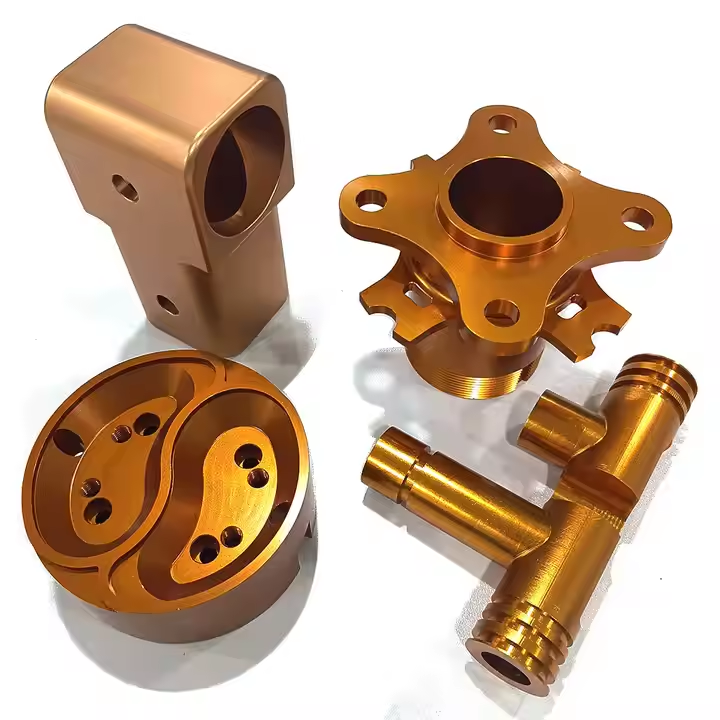
This article focuses on the medical device manufacturing and 3C product manufacturing fields. Through specific cases, it elaborates on the remarkable achievements of CNC technology in manufacturing complex and precise components and improving product quality, demonstrating its crucial role in related industries.
CNC Technology Application Cases (Part 1)