
Leather Grain Process: From Production to Application
author: DJ-03
2024-11-13
Leather Grain Process: From Production to Application
Leather grain craft is a craft to create leather texture effect on the surface of an object, as follows:
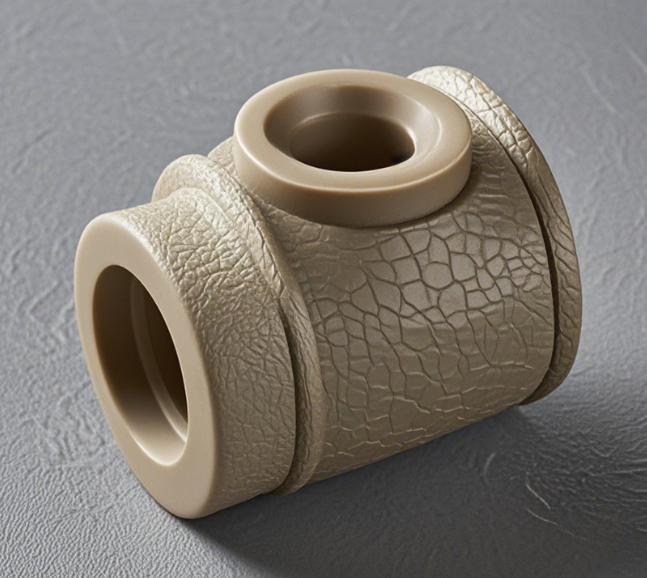
1. Production process
-
Base map production**: Take plastic samples or artificial leather decorative patterns as samples, and use spray paint, white powder and other methods to make black and white base maps.
-
Phototypesetting**: Use film 1:1 to shoot the base map to get a photographic negative.
-
Screen plate making**: Use polyester silk, photosensitive film, aluminum frame and negative to make a screen plate.
-
Ink preparation**: Mix asphalt, kerosene, 2711-4 ink and drying oil to get anti-corrosion transfer ink.
-
Decal paper printing decorative pattern**: Use a screen printer to print anti-corrosion transfer ink on decal paper, and then print it on the mold.
-
Ink drying**: Bake in a 40-45℃ oven until the ink is half dry.
-
Mold pretreatment**: Grind, clean, and degrease to make the mold surface good.
-
Decal transfer**: peel off a layer of decal paper, paste, scrape and compact the transfer with the ink facing the mold.
-
Drying**: Dry the transfer ink naturally or with an infrared lamp.
-
Finishing**: Use a tracing pen and a plate repair knife to repair and trim the decorative pattern.
-
Corrosion**: Put the mold in the corrosive liquid and control the corrosion time as required.
-
Inspection**: Check the corrosion depth after flushing the mold.
-
Cleaning and rust prevention**: Flush the mold, wipe it dry and remove the paint, blow it dry with a hair dryer, and apply anti-rust oil.

2.Application field
-
Widely used in automobiles, homes, electronics, fashion and other fields, such as interiors, furniture surfaces, electronic product shells, clothing, shoes and bags.
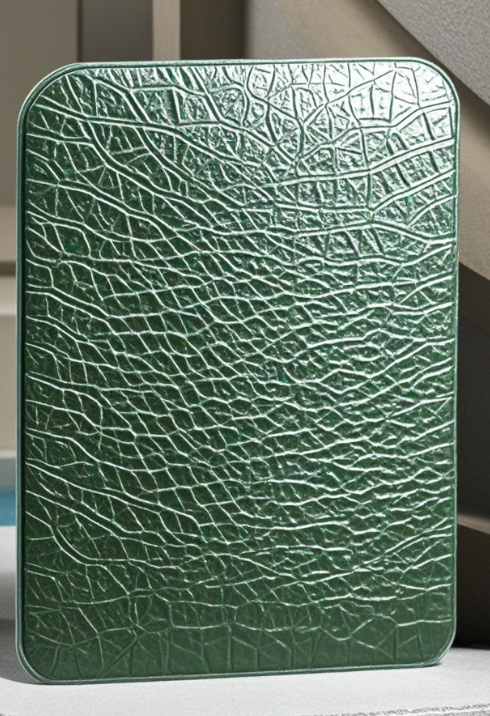
3. Process characteristics
-
Self-prepared ink has good corrosion resistance, strong adhesion, easy drying and transfer.
-
Self-made nozzles with molds facing down can obtain high-quality decorative patterns.
-
The process and operation are simple and not limited by the mold geometry.
-
The equipment is simple, the material consumption is small, the cost is low, and the efficiency is high.
An Analysis of the Wide Application of Metal Parts in Multiple Fields
What is Vacuum mold processing?
Related Article

This article analyzes the prospects of the custom parts industry from three aspects: market demand, technological innovation, and challenges and opportunities, with specific cases to illustrate its development trends.
Analysis of the Prospects of the Custom Parts Industry
This article details CNC precision technology, covering its definition, applications in aerospace and electronics, advantages like high precision and automation, and its promising future in the manufacturing industry.
CNC Precision Technology: The Core Code of Modern Manufacturing and Its Infinite Potential
This part focuses on the shipbuilding industry, presenting a case of CNC technology application in the processing of large - scale ship propellers. It showcases how CNC technology addresses challenges in this field, improving processing efficiency and product quality, thus highlighting its significance in ship manufacturing.
CNC Technology Application Cases (Part 2)
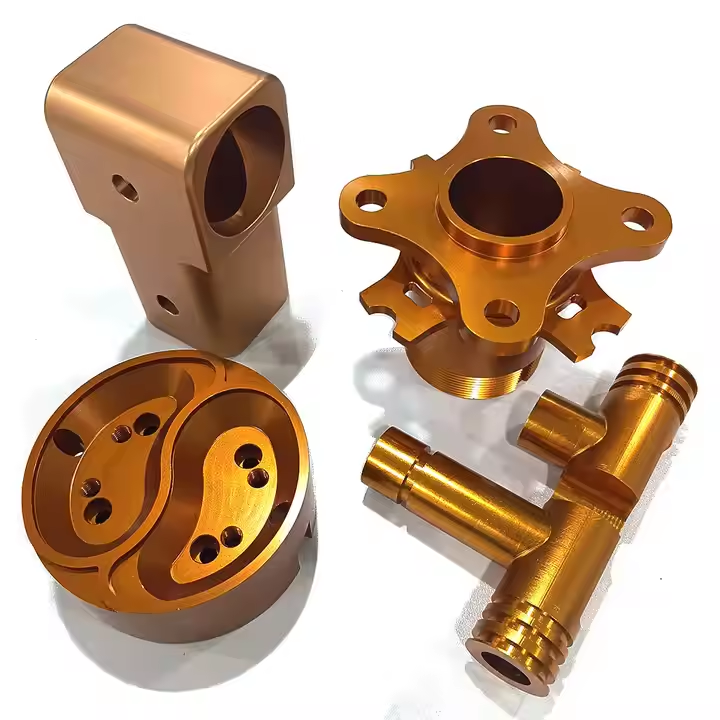
This article focuses on the medical device manufacturing and 3C product manufacturing fields. Through specific cases, it elaborates on the remarkable achievements of CNC technology in manufacturing complex and precise components and improving product quality, demonstrating its crucial role in related industries.
CNC Technology Application Cases (Part 1)