
Case Analysis of the Application of Metal and Plastic Parts in Consumer Electronic Devices
author: DJ-03
2024-12-17
Case Analysis of the Application of Metal and Plastic Parts in Consumer Electronic Devices
1. Introduction
Consumer electronic devices develop fast, with diverse demands for component materials. Metal and plastic parts, each having unique traits, are essential. Their proper combination balances device functions and appearance.
2. Application of Metal Parts in Consumer Electronic Devices
2.1 Metal in Smartphones
-
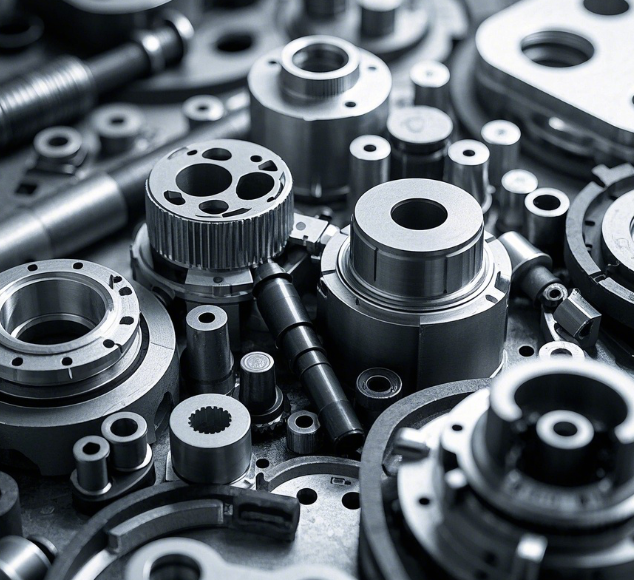
Metal Frames: iPhones use aluminum alloy frames. With a high strength-to-weight ratio, they protect internal parts. Precision CNC machining gives them a fine look and good feel.
-
Metal Back Covers (Some Models): Some Huawei Mate series models have metal back covers. They're strong, offer electromagnetic shielding and good heat dissipation. Anodizing etc. make them look nice and meet personalization needs.
2.2 Metal in Tablets
iPads, for example, have aluminum-magnesium alloy bodies. They provide a stable structure, are thin and light, can bear bending and squeezing, and have good heat dissipation, enhancing quality perception.
3. Application of Plastic Parts in Consumer Electronic Devices
3.1 Plastic in Smartphones
-
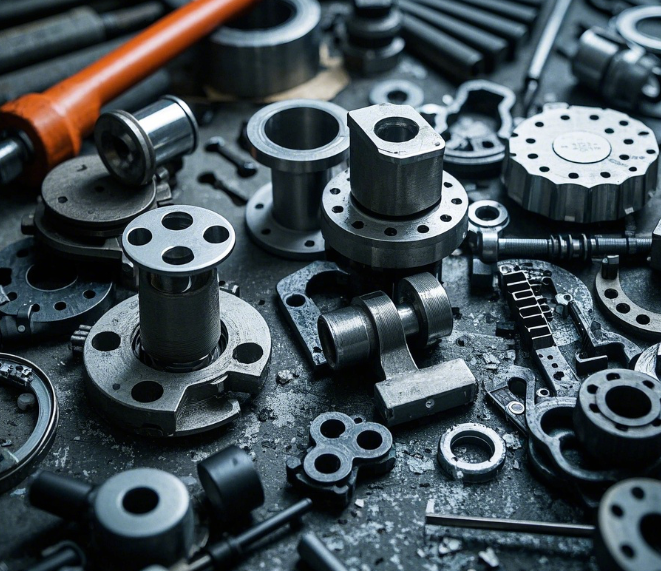
Internal Structural Parts: Inside smartphones, like battery compartment frames and motherboard holders, are often plastic. Engineering plastics insulate well, prevent short circuits, are easy to shape, can be customized, and are cost-effective.
-
Keys and Decoration Parts: Plastic keys (e.g., volume keys) of silicone or rubber feel good. Plastic decoration parts on the outer shell can achieve various looks via different processes, are cheap, and boost personalization and fashion.
3.2 Plastic in Tablets
-
Outer Shells and Protective Cases: Some tablet outer shells are plastic. Mid- to low-end ones can be injection-molded into diverse shapes and colors. Protective cases, mostly plastic or silicone, resist impacts and protect tablets.
-
Internal Connection Parts: Cable fixing seats etc. are usually plastic. It insulates and is easy to process, fixing cables and ensuring signal transmission.
4. Collaborative Application and Complementary Advantages of Metal and Plastic Parts
4.1 Structure and Function Collaboration
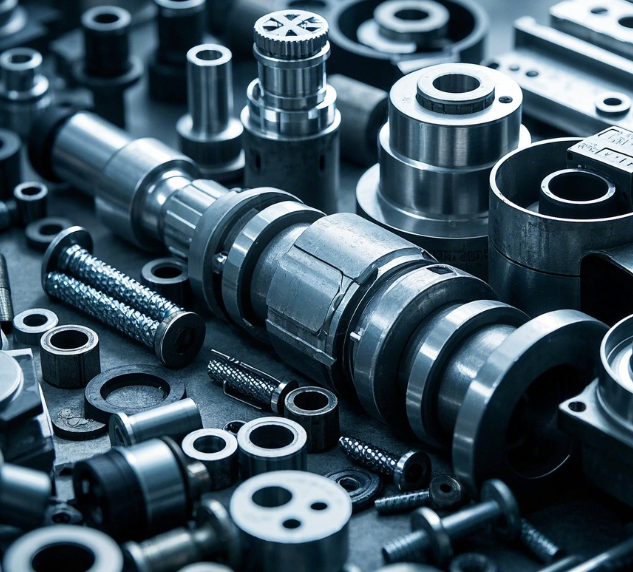
In smartphones, metal frames and plastic internal parts work together. The former supports and protects; the latter fixes components and cushions. In tablets, metal bodies and plastic decoration parts combine. Metal ensures strength and heat dissipation; plastic adds looks and cushions impacts.
4.2 Appearance and Cost Balance
Metal has a good texture but is costly and complex to process. Plastic is cheap, easy to form, and offers diverse designs. Mid- to low-end smartphones combine metal frames with plastic back covers. Tablets use metal frames with plastic outer shells to balance appearance and cost.
4.3 Manufacturing Process Adaptation
Metal processing like casting suits high-precision parts but has a long cycle and high cost. Plastic injection molding is fast, good for mass production, and has a lower mold cost. When designing, materials and processes are chosen based on part needs. E.g., smartphone metal frames use CNC machining; internal plastic parts use injection molding.
5. Conclusion
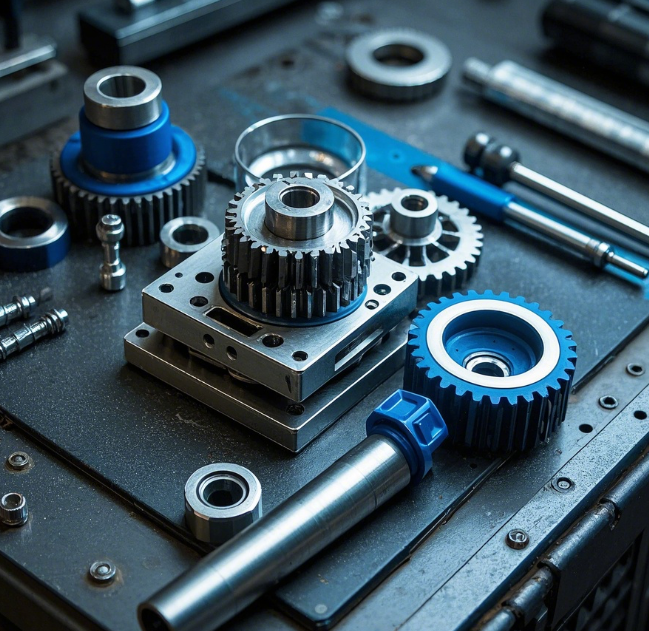
Metal and plastic parts are vital in consumer electronic devices. Metal excels in structure, appearance, and performance. Plastic has its merits in internal structure and decoration. Their cooperation optimizes device performance, appearance, cost, and manufacturing, meets consumer needs, and drives industry progress. Future applications will be more innovative and diverse.
Role Differences between Metal and Plastic Parts in Precision Machinery from the Perspective of Mechanical Properties
The importance of surface roughness
Related Article

This article analyzes the prospects of the custom parts industry from three aspects: market demand, technological innovation, and challenges and opportunities, with specific cases to illustrate its development trends.
Analysis of the Prospects of the Custom Parts Industry
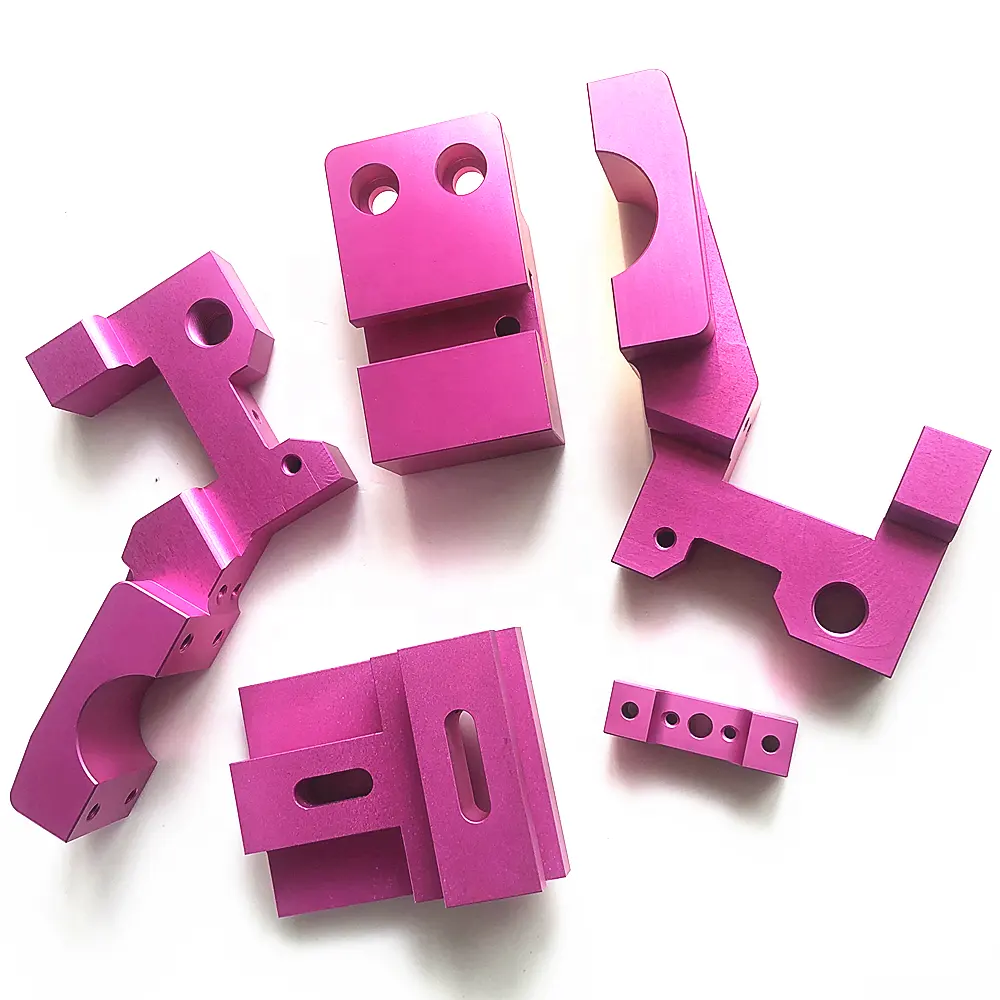
This article details CNC precision technology, covering its definition, applications in aerospace and electronics, advantages like high precision and automation, and its promising future in the manufacturing industry.
CNC Precision Technology: The Core Code of Modern Manufacturing and Its Infinite Potential
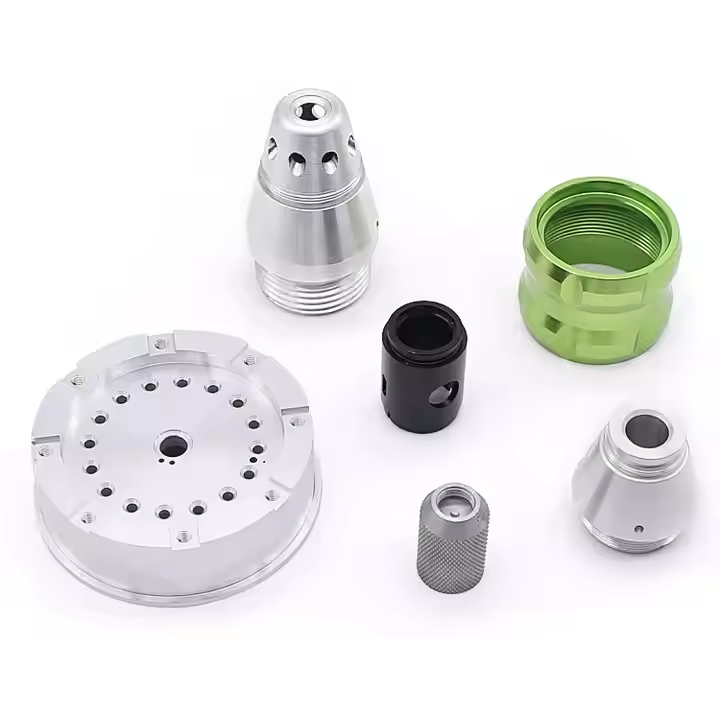
This part focuses on the shipbuilding industry, presenting a case of CNC technology application in the processing of large - scale ship propellers. It showcases how CNC technology addresses challenges in this field, improving processing efficiency and product quality, thus highlighting its significance in ship manufacturing.
CNC Technology Application Cases (Part 2)
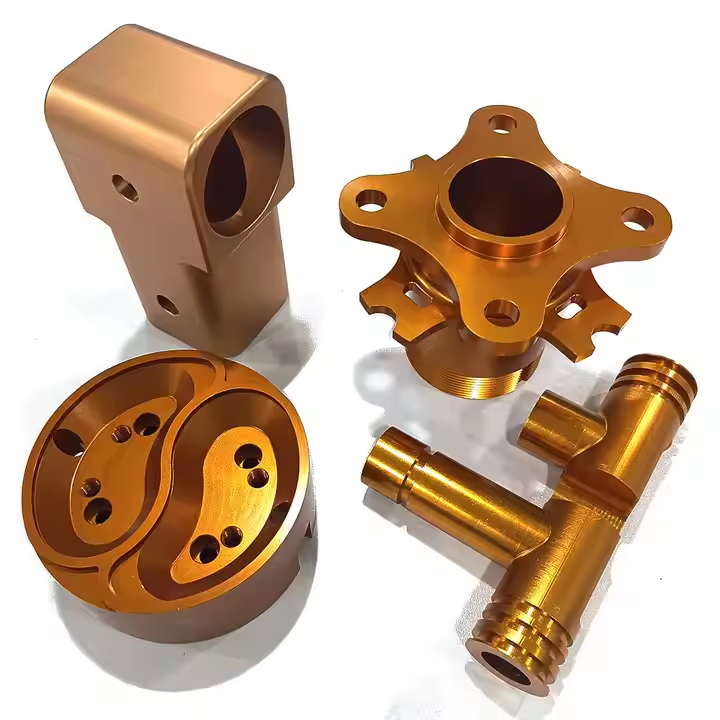
This article focuses on the medical device manufacturing and 3C product manufacturing fields. Through specific cases, it elaborates on the remarkable achievements of CNC technology in manufacturing complex and precise components and improving product quality, demonstrating its crucial role in related industries.
CNC Technology Application Cases (Part 1)