
Paint spraying in CNC machining
author: DJ-01
2024-10-17
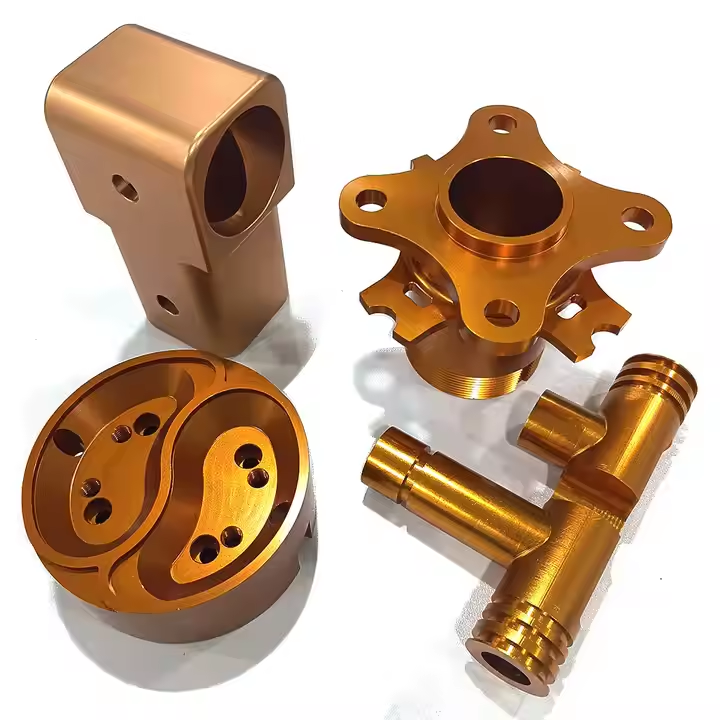
It can be simply defined as coating a surface with paint (including pigments or colors). This process is commonly used to decorate, color and protect objects as well as provide texture to them. Paint coatings can be applied using brushes, rollers and spraying methods. Paint is usually applied in liquid form an d dries to a solid film.
Industrial paints are used to protect metal, wood, and a variety of other materials. Their properties and performance depend in part on the composition of the paint and the performance specifications required for the particular application of the paint.
Paints usually contain four main components. They are pigments, binders, liquids and additives. Pigment is simply powder in its unmixed form. It is used to determine the color and appearance of the paint. The main pigment is responsible for the color or whiteness of the paint. Titanium dioxide is the main ingredient (primary pigment) in most white paints. Body pigments are used to add bulk to the paint.
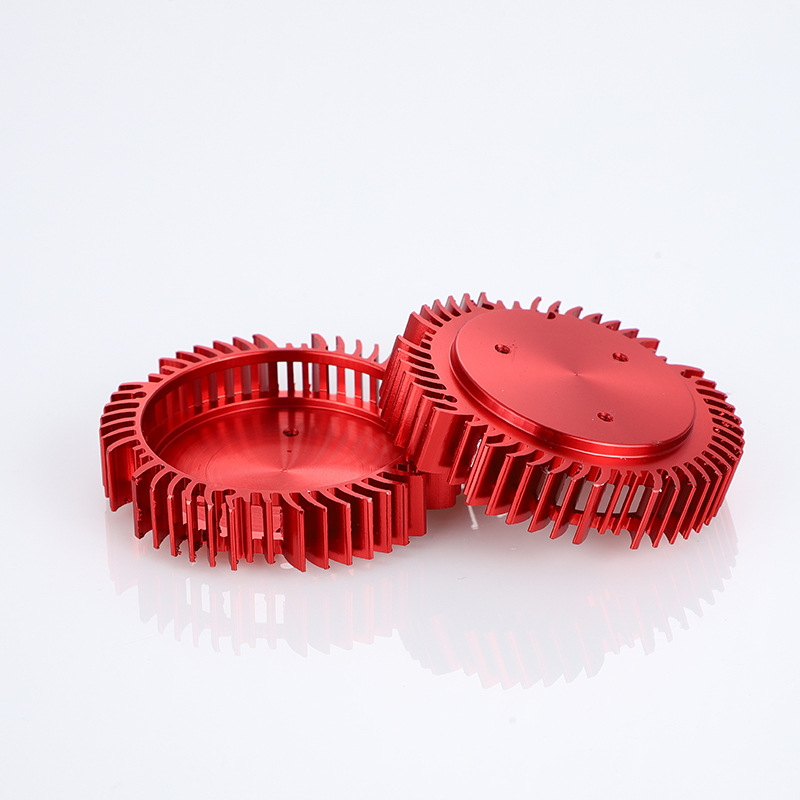
Silicon dioxide is an example of a bulk pigment used to add durability to paint. Binders are used to hold the pigments in place. Oil-based binders (used in oil-based paints) oxidize when exposed to air and harden with the rest of the paint. The liquid component evaporates. Latex-based binders are often used in non-aqueous coatings. In this case, after the paint is applied, the water evaporates, leaving behind a coating consisting of pigment and binder.
Three important paint binders were mentioned. Acrylic polymers (resins) are found in latex paints and are commonly used to paint the interior and exterior of buildings. Alkyd polymers (resins) are contained in decorative gloss paints. Epoxy polymers (resins) are commonly used as binders in industrial primer coatings. They give coatings good adhesion and high corrosion resistance.
Titanium alloy materials: TC4, TC11, TA2 application and processing
Advantages and Application areas of 5-Axis Machining
Related Article

This article analyzes the prospects of the custom parts industry from three aspects: market demand, technological innovation, and challenges and opportunities, with specific cases to illustrate its development trends.
Analysis of the Prospects of the Custom Parts Industry
This article details CNC precision technology, covering its definition, applications in aerospace and electronics, advantages like high precision and automation, and its promising future in the manufacturing industry.
CNC Precision Technology: The Core Code of Modern Manufacturing and Its Infinite Potential
This part focuses on the shipbuilding industry, presenting a case of CNC technology application in the processing of large - scale ship propellers. It showcases how CNC technology addresses challenges in this field, improving processing efficiency and product quality, thus highlighting its significance in ship manufacturing.
CNC Technology Application Cases (Part 2)
This article focuses on the medical device manufacturing and 3C product manufacturing fields. Through specific cases, it elaborates on the remarkable achievements of CNC technology in manufacturing complex and precise components and improving product quality, demonstrating its crucial role in related industries.
CNC Technology Application Cases (Part 1)