
Surface treatment technology——radium carving
author: DJ-03
2024-10-17
Surface treatment technology——radium carving
01 Process Definition
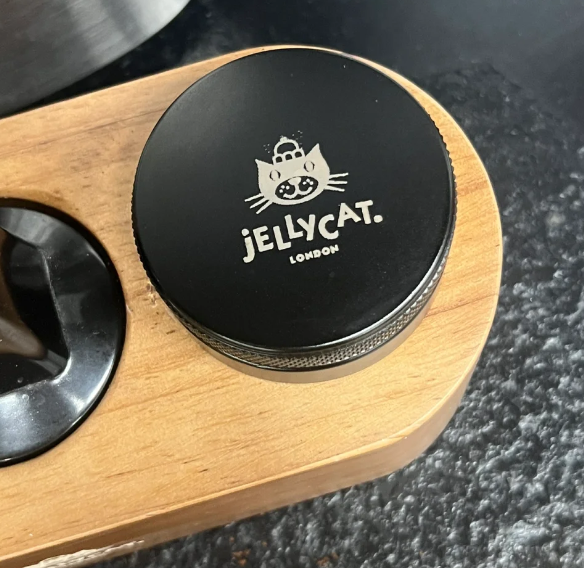
Laser engraving, also known as laser carving, is based on CNC technology and uses laser as a processing medium. The physical transformation of the processing material into instant melting and vaporization under the irradiation of laser engraving can enable laser engraving to achieve the purpose of processing. Laser engraving is to use laser technology to write words on objects. The words engraved by this technology have no scratches, the surface of the object is still smooth, and the handwriting will not be worn.
02 Process Classification
According to the different engraving methods, it can be divided into dot matrix engraving and vector cutting.
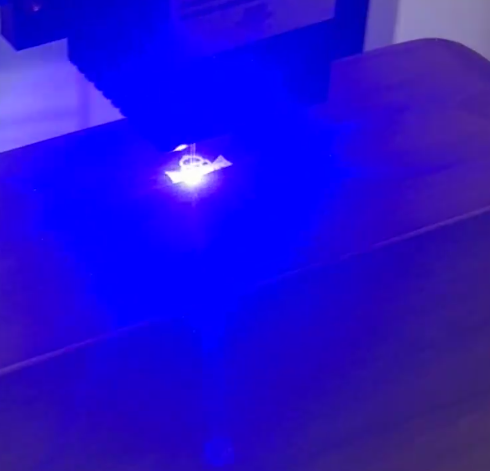
1.Dot matrix engraving: It is similar to high-definition dot matrix printing. The laser head swings left and right, and each time it engraves a line composed of a series of dots, and then the laser head moves up and down at the same time to engrave multiple lines to form a full-page image or text. The scanned graphics, text and vectorized graphics can all be engraved using dot matrix engraving.
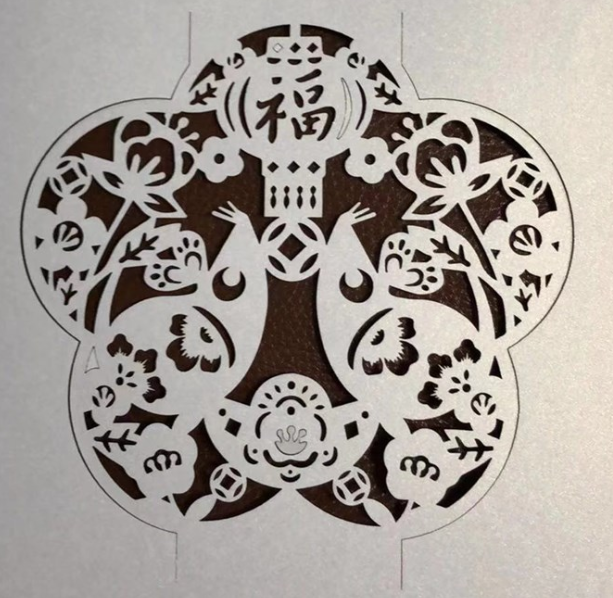
2.Vector cutting: Vector cutting is different from dot engraving. Vector cutting is performed on the outer contour of the image. We usually use this mode to perform penetrating cutting on materials such as wood, paper, acrylic, etc., and can also perform marking operations on the surface of various materials.
03 Process Principle
Laser engraving technology can be divided into two principles according to its application:
Principle 1: Use the high-intensity focused laser beam emitted by the laser to melt and vaporize the material at the focal point to process it.
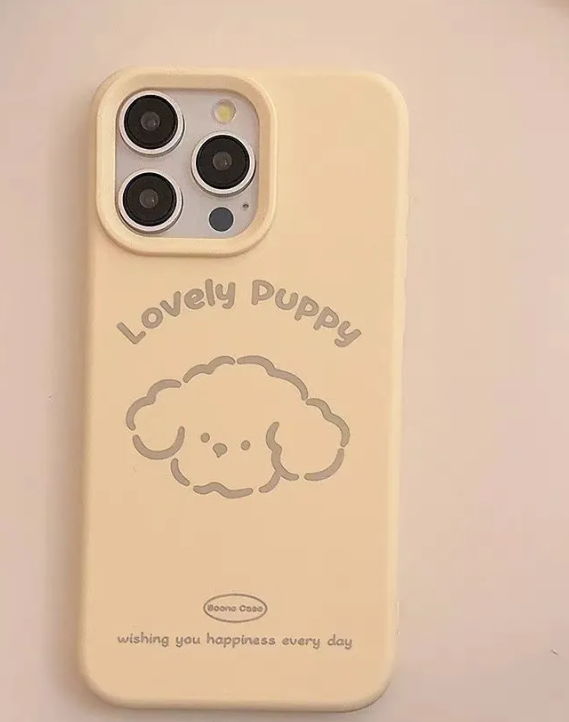
Principle 2: The effect of marking is to expose the deep material through the evaporation of the surface material, or to cause the chemical and physical changes of the surface material to leave traces through light energy, or to burn part of the material through light energy and "carve" out traces, or to burn part of the material through light energy to show the graphics and text to be etched.
04 Applicable materials
The materials that can be laser engraved are very wide. Generally speaking, laser engraving machines can engrave the following materials: bamboo and wood products, organic glass, metal plates, glass, stone, crystal, paper, two-color plates, alumina, leather, plastic, epoxy resin, polyester resin, and plastic-sprayed metal.
05 Appreciation of laser engraving products
How to divide CNC processing procedures?
Anodizing in CNC Machining Industry
Related Article

This article analyzes the prospects of the custom parts industry from three aspects: market demand, technological innovation, and challenges and opportunities, with specific cases to illustrate its development trends.
Analysis of the Prospects of the Custom Parts Industry
This article details CNC precision technology, covering its definition, applications in aerospace and electronics, advantages like high precision and automation, and its promising future in the manufacturing industry.
CNC Precision Technology: The Core Code of Modern Manufacturing and Its Infinite Potential
This part focuses on the shipbuilding industry, presenting a case of CNC technology application in the processing of large - scale ship propellers. It showcases how CNC technology addresses challenges in this field, improving processing efficiency and product quality, thus highlighting its significance in ship manufacturing.
CNC Technology Application Cases (Part 2)
This article focuses on the medical device manufacturing and 3C product manufacturing fields. Through specific cases, it elaborates on the remarkable achievements of CNC technology in manufacturing complex and precise components and improving product quality, demonstrating its crucial role in related industries.
CNC Technology Application Cases (Part 1)