
Plastic Parts 3D Printing Manufacturing: Technological Frontiers and Breakthroughs from Dilemmas
author: DJ-03
2024-12-23
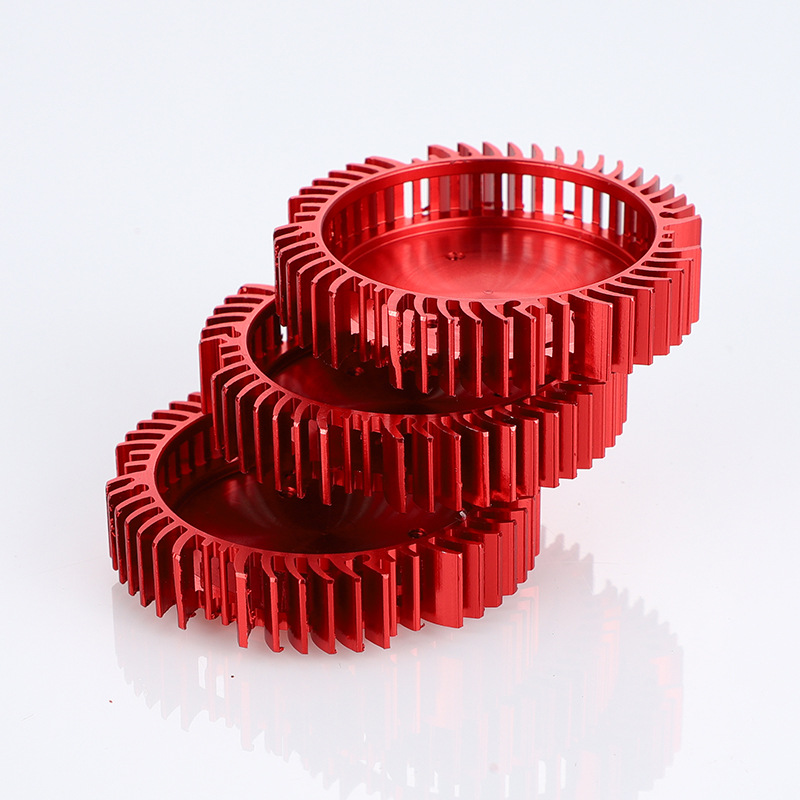
Plastic Parts 3D Printing Manufacturing: Technological Frontiers and Breakthroughs from Dilemmas
Abstract: This paper analyzes the current status of 3D printing of plastic parts, covering multiple technology types, material progress and application expansion. It also explores the challenges it faces, such as performance, precision, speed, cost, and regulations, as well as the breakthrough directions.
Current Status
Rich Variety of Technologies:
-
Common 3D printing technologies, such as Fused Deposition Modeling (FDM), Stereolithography Apparatus (SLA), and Selective Laser Sintering (SLS), can all be used in the manufacturing of plastic parts. Among them, the FDM technology is widely applied due to its low equipment cost and simple operation; the SLA has high precision and good surface quality; and the SLS can print complex structures with diverse material selections.
Continuous Expansion of Materials:
-
From the initial common plastics like ABS and PLA to today's high-performance engineering plastics such as PEEK, PEI, PPSU, etc., as well as composite materials, like short glass fiber or short carbon fiber reinforced thermoplastic resins, which can meet the performance requirements of different fields.
Widespread Application Areas:
-
In the aerospace field, complex lightweight parts can be manufactured; in the automotive industry, it is used for rapid prototyping and small-batch customized production; in the medical field, customized medical devices and implants can be printed; and in the consumer goods industry, personalized products can be quickly manufactured.
Challenges
Limitations of Material Performance:
-
The mechanical properties of some plastic printed parts, such as strength and toughness, are inferior to those of traditionally manufactured parts, limiting their application in structural parts with high performance requirements. Moreover, it is difficult and costly to print some high-performance plastics.
Precision and Quality Control:
-
During the printing process, problems such as loose interlayer bonding and warping deformation may occur, affecting the dimensional accuracy and surface quality of the parts. It is even more difficult to manufacture tiny and precise parts.
Slow Printing Speed:
-
Compared with traditional large-scale production methods, the speed of 3D printing is generally slow, making it difficult to meet the requirements of high-volume and high-efficiency production.
Cost Factors:
-
Professional 3D printing equipment and high-performance printing materials are expensive, resulting in high printing costs, which is not conducive to large-scale promotion and application.
Intellectual Property and Supervision:
-
3D printing is prone to intellectual property infringement issues, and there is a lack of perfect supervision mechanisms and laws and regulations. It is difficult to effectively supervise some printed items that may involve safety and ethical issues, such as weapons and dangerous goods.
Fineblanking process-high-tech manufacturing process
Application of Ergonomics in Plastic Parts Design: Enhancing User Experience and Product Competitiveness
Related Article

This article analyzes the prospects of the custom parts industry from three aspects: market demand, technological innovation, and challenges and opportunities, with specific cases to illustrate its development trends.
Analysis of the Prospects of the Custom Parts Industry
This article details CNC precision technology, covering its definition, applications in aerospace and electronics, advantages like high precision and automation, and its promising future in the manufacturing industry.
CNC Precision Technology: The Core Code of Modern Manufacturing and Its Infinite Potential
This part focuses on the shipbuilding industry, presenting a case of CNC technology application in the processing of large - scale ship propellers. It showcases how CNC technology addresses challenges in this field, improving processing efficiency and product quality, thus highlighting its significance in ship manufacturing.
CNC Technology Application Cases (Part 2)
This article focuses on the medical device manufacturing and 3C product manufacturing fields. Through specific cases, it elaborates on the remarkable achievements of CNC technology in manufacturing complex and precise components and improving product quality, demonstrating its crucial role in related industries.
CNC Technology Application Cases (Part 1)