
A Detailed Introduction to ABS Materials
author: DJ-03
2025-01-08
A Detailed Introduction to ABS Materials
I. Component Composition
ABS is a copolymer composed of three monomers: acrylonitrile, butadiene, and styrene. Acrylonitrile endows it with chemical corrosion resistance, surface hardness, and heat resistance. Butadiene brings excellent toughness and impact resistance. Styrene enables it to have good processing properties and glossiness.
II. Performance Characteristics
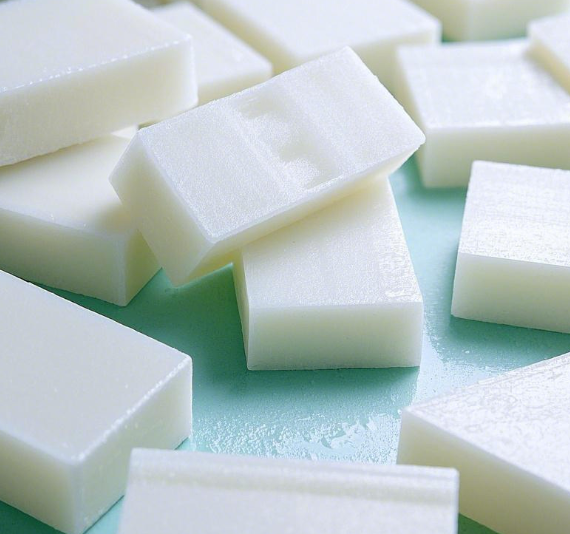
- It has good chemical corrosion resistance and can resist the erosion of various chemical reagents to maintain structural stability.
- It has excellent heat resistance and is not easy to deform in a relatively high-temperature environment, ensuring safe and durable use.
- It has strong impact resistance and is not easy to break or fracture when subjected to external impacts, so it has a wide range of applications.
- It has excellent processing properties and can be molded into complex and delicate shapes to meet the needs of creative design, and the finished products have a smooth and bright appearance.
III. Application Fields

- Automobile Manufacturing: A large number of automobile interiors, such as instrument panels and center console shells, are made of ABS materials. They can meet the requirements of styling design and withstand daily collisions, temperature changes, and aging.
- Electronic Appliances: ABS materials are commonly used for the shells of televisions, computers, and small household appliances. Their good insulation properties ensure safety, and their excellent formability makes the appearance of the products exquisite.
- Toy Manufacturing: Building blocks, plastic model toys, etc. are mostly made of ABS materials. They are non-toxic, sturdy, and brightly colored, creating a happy and safe play experience for children.
IV. Development Trends
With the progress of science and technology, researchers are improving its performance by optimizing the synthesis process or combining it with new materials to develop new materials to adapt to the changes in the industrial and consumer markets. In the future, it will play a role in more emerging fields.
What is the effect of different abrasives on the sandblasting effect?
The principle and application scope of sandblasting cleaning
Related Article

This article analyzes the prospects of the custom parts industry from three aspects: market demand, technological innovation, and challenges and opportunities, with specific cases to illustrate its development trends.
Analysis of the Prospects of the Custom Parts Industry

This article details CNC precision technology, covering its definition, applications in aerospace and electronics, advantages like high precision and automation, and its promising future in the manufacturing industry.
CNC Precision Technology: The Core Code of Modern Manufacturing and Its Infinite Potential
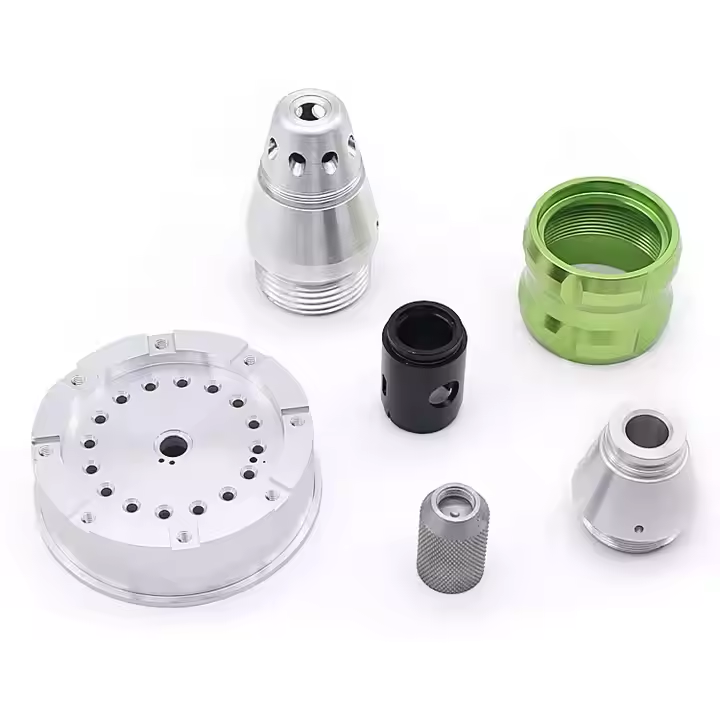
This part focuses on the shipbuilding industry, presenting a case of CNC technology application in the processing of large - scale ship propellers. It showcases how CNC technology addresses challenges in this field, improving processing efficiency and product quality, thus highlighting its significance in ship manufacturing.
CNC Technology Application Cases (Part 2)
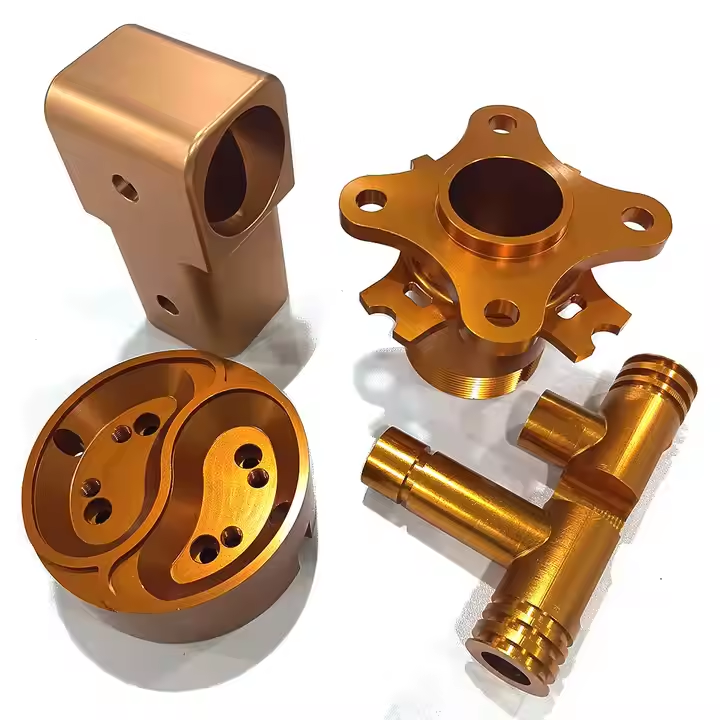
This article focuses on the medical device manufacturing and 3C product manufacturing fields. Through specific cases, it elaborates on the remarkable achievements of CNC technology in manufacturing complex and precise components and improving product quality, demonstrating its crucial role in related industries.
CNC Technology Application Cases (Part 1)