
Application of Ergonomics in Plastic Parts Design: Enhancing User Experience and Product Competitiveness
author: DJ-03
2024-12-23
Application of Ergonomics in Plastic Parts Design: Enhancing User Experience and Product Competitiveness
Abstract: This paper explores how ergonomics is applied in plastic parts design. It elaborates on design principles and application examples, showing its significance in improving user experience and product competitiveness.

In today's competitive product market, user experience is crucial. Plastic parts design should incorporate ergonomics to optimize human-machine and human-environment interactions and enhance competitiveness.
-
Design Principles:
-
-
Fit Human Dimensions: Design plastic parts based on human body part sizes. For example, the handle of a hand tool fits the grip of the human hand, and fitting parts precisely conform to the human body to prevent discomfort.
-
Conform to Human Movements: Consider the range and manner of human movements during operation. Like automotive interior parts, their positions and angles enable natural limb movements, and adjustable parts meet different postural needs.
-
Take into Account Human Perception: Utilize visual, tactile and other perceptual characteristics to provide feedback. For instance, a plastic button with a textured touch gives a clear response when pressed, enhancing interactivity.
-
-
Application Examples:
-
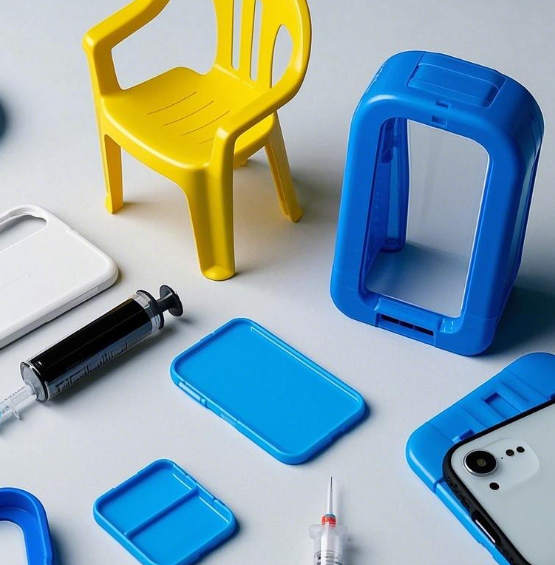
Consumer Electronics: Mobile phone cases are designed according to the hand shape, with a curved surface fitting the palm to reduce grip fatigue; the button layout is reasonable for convenient operation.
-
Household Items: The seat and back of a plastic chair are designed according to the human body curve, allowing for comfortable sitting for a long time; the armrest height is appropriate for comfortable support.
-
Medical Devices: The plastic plunger of a syringe has an anti-slip pattern on the surface for stable operation by medical staff; the handheld part conforms to the hand shape for effortless and precise use.
-
-
Conclusion:
Ergonomics empowers plastic parts design. By following the principles and referring to the examples, high-quality products can be created to win market favor.

Plastic Parts 3D Printing Manufacturing: Technological Frontiers and Breakthroughs from Dilemmas
Optimization of Heat Treatment Processes for Metal Parts
Related Article

This article analyzes the prospects of the custom parts industry from three aspects: market demand, technological innovation, and challenges and opportunities, with specific cases to illustrate its development trends.
Analysis of the Prospects of the Custom Parts Industry
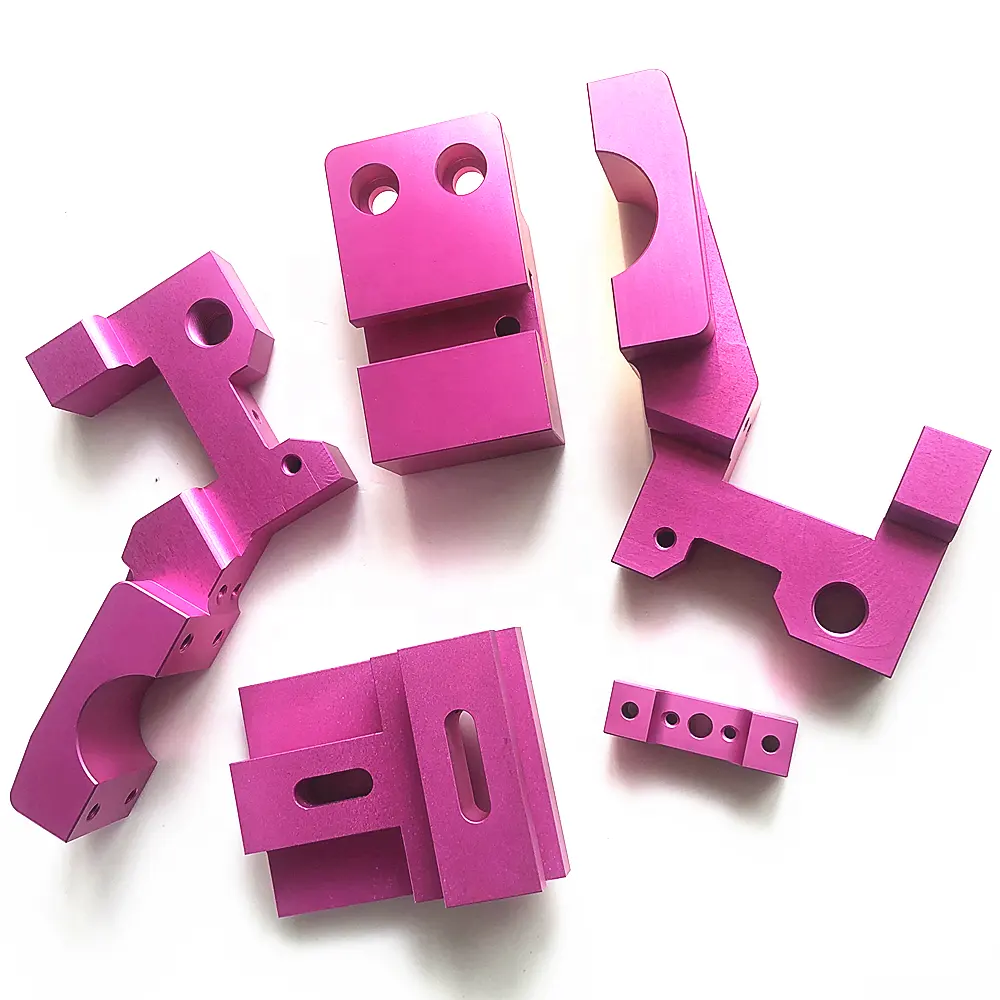
This article details CNC precision technology, covering its definition, applications in aerospace and electronics, advantages like high precision and automation, and its promising future in the manufacturing industry.
CNC Precision Technology: The Core Code of Modern Manufacturing and Its Infinite Potential
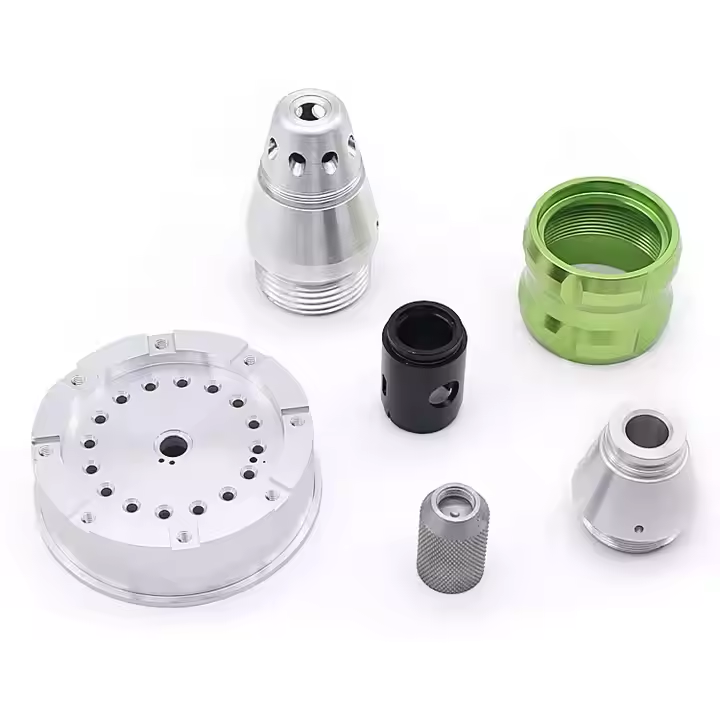
This part focuses on the shipbuilding industry, presenting a case of CNC technology application in the processing of large - scale ship propellers. It showcases how CNC technology addresses challenges in this field, improving processing efficiency and product quality, thus highlighting its significance in ship manufacturing.
CNC Technology Application Cases (Part 2)
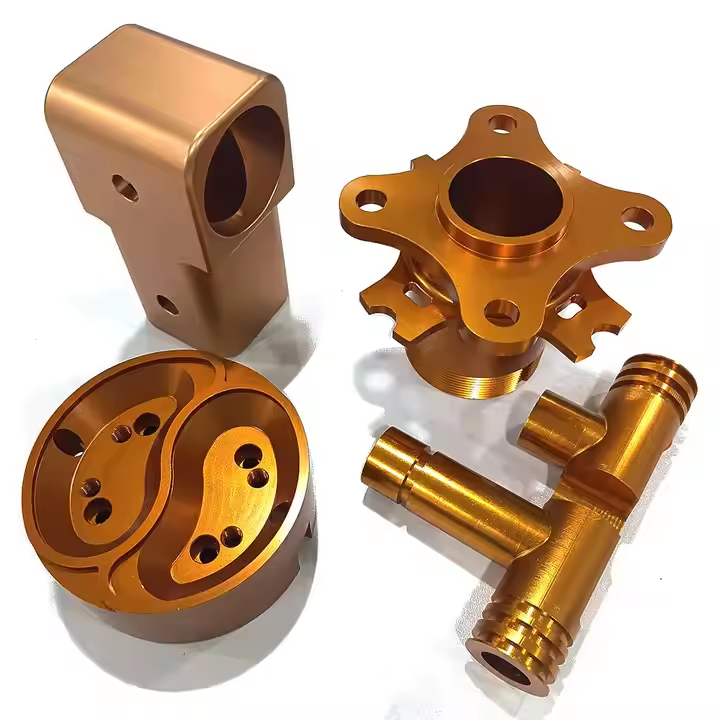
This article focuses on the medical device manufacturing and 3C product manufacturing fields. Through specific cases, it elaborates on the remarkable achievements of CNC technology in manufacturing complex and precise components and improving product quality, demonstrating its crucial role in related industries.
CNC Technology Application Cases (Part 1)