
A Comprehensive Analysis of the Application of PVC Material in Part Manufacturing
author: DJ-03
2024-12-18
A Comprehensive Analysis of the Application of PVC Material in Part Manufacturing
-
Adaptability of PVC Material Characteristics to Part Manufacturing
-
Advantages of Physical Characteristics: PVC is an amorphous polymer in the form of white powder or granules, with a density ranging from 1.3 to 1.45 g/cm³. It can be colored, and its light weight makes it beneficial for manufacturing lightweight parts, such as the casings of small equipment.
-
Consideration of Mechanical Properties: Rigid PVC has high strength and hardness, which is suitable for parts that require shape retention and load-bearing capabilities, like mechanical support components. Soft PVC is soft and flexible, used for parts that need elasticity or deformability, such as sealing gaskets. However, rigid PVC has a high brittleness at low temperatures, so attention should be paid to the usage environment.
-
Contribution of Chemical Stability: PVC is resistant to acids, alkalis, and salts, and can be used in non-critical yet corrosion-resistant parts of chemical equipment, such as pipe fittings and internal seals of valves.
-
-
Applications of PVC Parts Based on Classification
-
Applications of Rigid PVC Parts:
-
In the Construction Field: It is used for door and window profiles and drainage pipes, which have high strength, good weather resistance, and corrosion resistance.
-
In the Electronic and Electrical Field: It is used for electrical appliance casings and fixed brackets to protect the internal components and stabilize the structure.
-
-
Applications of Soft PVC Parts:
-
In the Medical Field: It is used for infusion tubes, blood bags, and gloves, which are soft and have good biocompatibility.
-
In the Packaging Field: It is used for packaging films and flexible containers, which are moisture-proof and flexible.
-
-
-
-
Key Points of PVC Part Manufacturing Processes
-
Suspension Polymerization Process and Part Manufacturing: Vinyl chloride monomers are polymerized by the suspension polymerization method. This process can be used for injection molding of toy parts and extrusion of pipes. Process parameters need to be controlled to ensure product quality.
-
Bulk Polymerization Process and Part Manufacturing: PVC produced by the bulk polymerization process has high purity and is used for precision parts in electronic and electrical appliances, such as connectors and insulating partitions, to ensure performance.
-
-
Performance Advantages and Limitations of PVC Parts
-
Performance Advantages:
-
Heat Insulation: For example, the heat insulation layer parts in building insulation boards can block heat transfer.
-
Moisture-proof and Waterproof: Like the key layers in waterproofing membranes, they can prevent water penetration.
-
Good Flame Retardancy: It can reduce the risk of fire, such as in electrical and building interior parts.
-
Strong Insulation: It is used for the insulation layers of electric wires and cables.
-
Good Processability: It can be processed by various thermal processing methods to produce parts with complex shapes, such as injection molding of casings and calendering of thin sheets.
-
-
Performance Limitations:
-
Poor Thermal Stability: The operating temperature generally does not exceed 60 °C. Parts are prone to deformation and decomposition at high temperatures, so they are not suitable for parts used in high-temperature working conditions.
-
Environmental Issues: The production process may cause pollution, and the waste parts are difficult to degrade. Special treatment is required for recycling, which limits its application due to environmental protection requirements.
-
-
What are the differences in tolerance control between work pieces of different materials?
Nylon Parts: A Shining Star in Engineering Materials with Excellent Performance and Wide Applications
Related Article

This article analyzes the prospects of the custom parts industry from three aspects: market demand, technological innovation, and challenges and opportunities, with specific cases to illustrate its development trends.
Analysis of the Prospects of the Custom Parts Industry
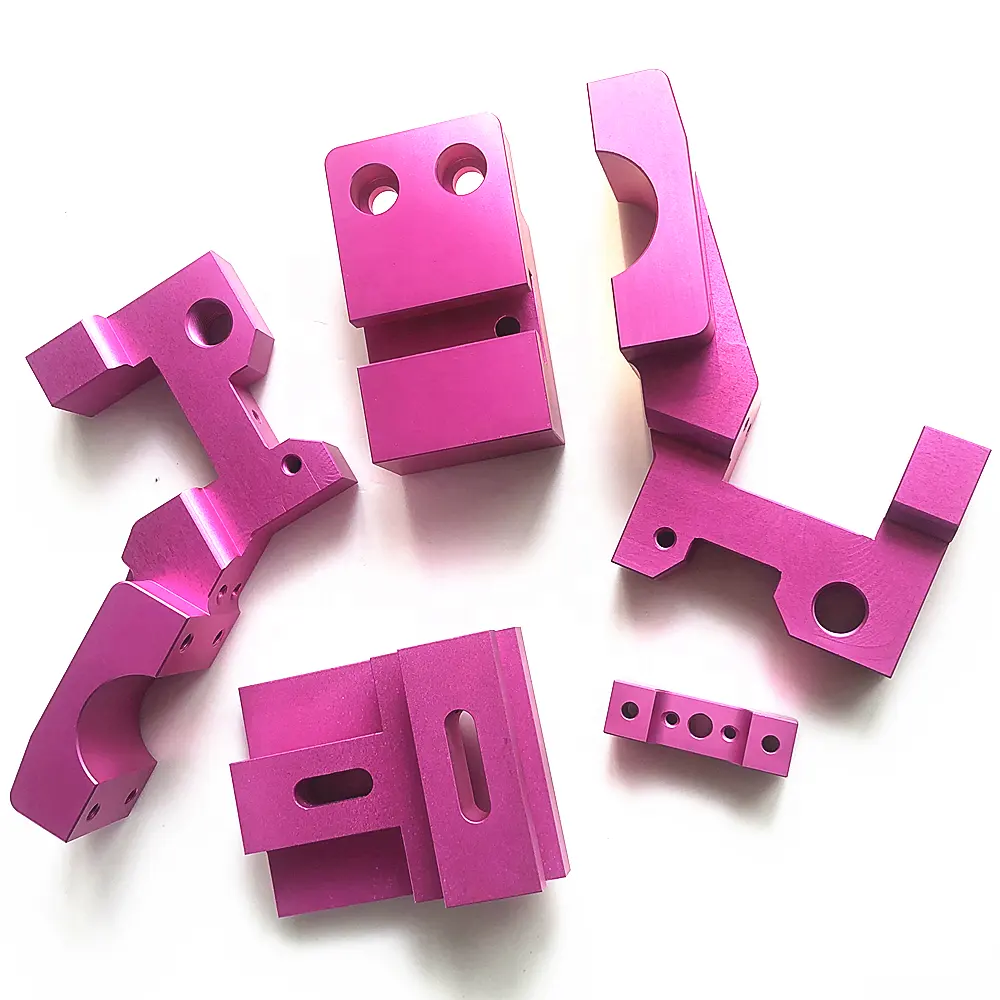
This article details CNC precision technology, covering its definition, applications in aerospace and electronics, advantages like high precision and automation, and its promising future in the manufacturing industry.
CNC Precision Technology: The Core Code of Modern Manufacturing and Its Infinite Potential
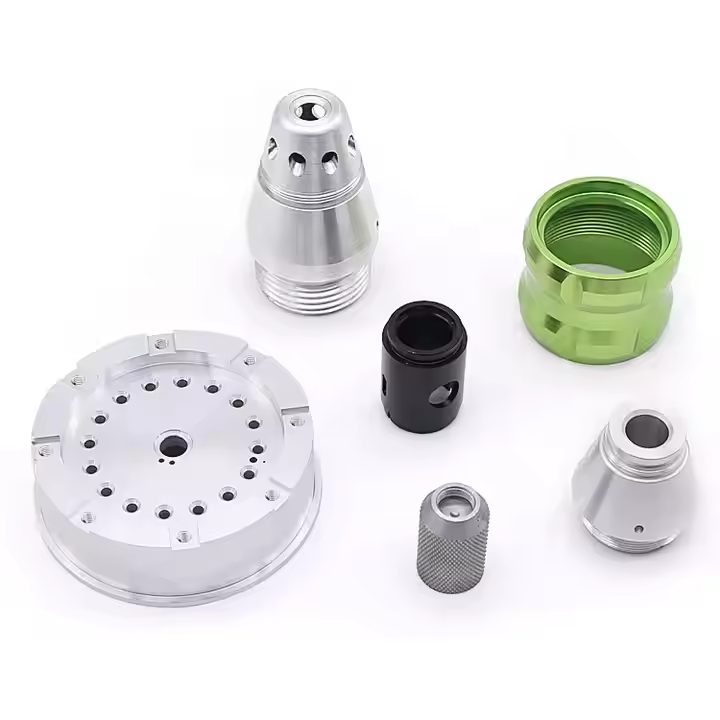
This part focuses on the shipbuilding industry, presenting a case of CNC technology application in the processing of large - scale ship propellers. It showcases how CNC technology addresses challenges in this field, improving processing efficiency and product quality, thus highlighting its significance in ship manufacturing.
CNC Technology Application Cases (Part 2)
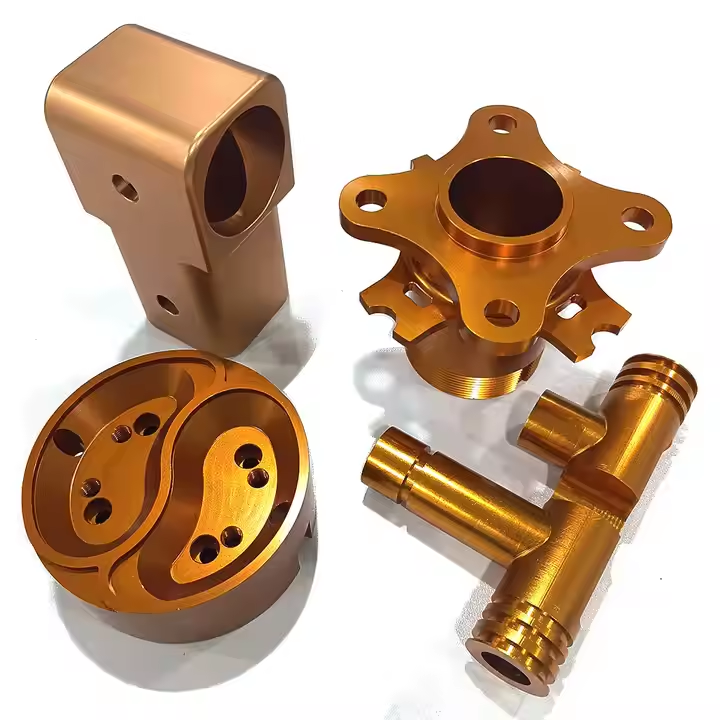
This article focuses on the medical device manufacturing and 3C product manufacturing fields. Through specific cases, it elaborates on the remarkable achievements of CNC technology in manufacturing complex and precise components and improving product quality, demonstrating its crucial role in related industries.
CNC Technology Application Cases (Part 1)