
Mechanical Precision Parts Manufacturing: The Core Foundation of Industry
author: DJ-03
2025-02-06
Mechanical Precision Parts Manufacturing: The Core Foundation of Industry
Abstract: This article introduces mechanical precision parts manufacturing, covering aspects such as design, material selection, processing, and inspection. It elaborates on the challenges of precision and cost, and looks ahead to the development trends of intelligent and green manufacturing.
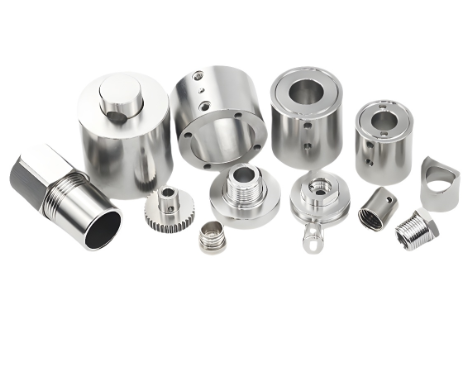
- Design
Engineers use Computer - Aided Design (CAD) software to construct three - dimensional models. They accurately plan the structure, dimensions, and tolerances of parts. For example, in the design of aircraft engine blades, factors such as aerodynamics and material mechanics need to be taken into account. -
- Material Selection
Materials are selected according to different application scenarios. Titanium alloys are often used in the aerospace industry, while high - temperature - resistant alloys are used in the manufacture of automobile engines. The quality of materials affects the processing and the quality of finished products.
- Processing
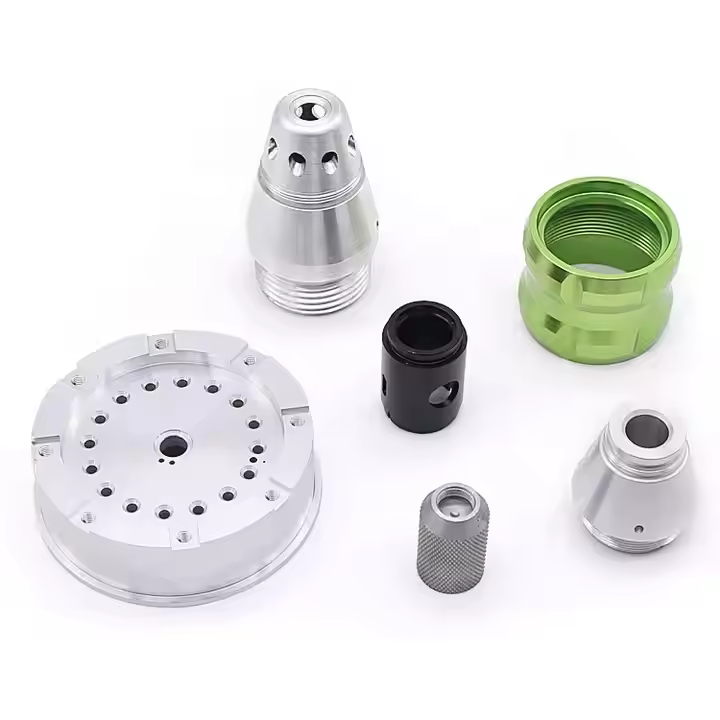
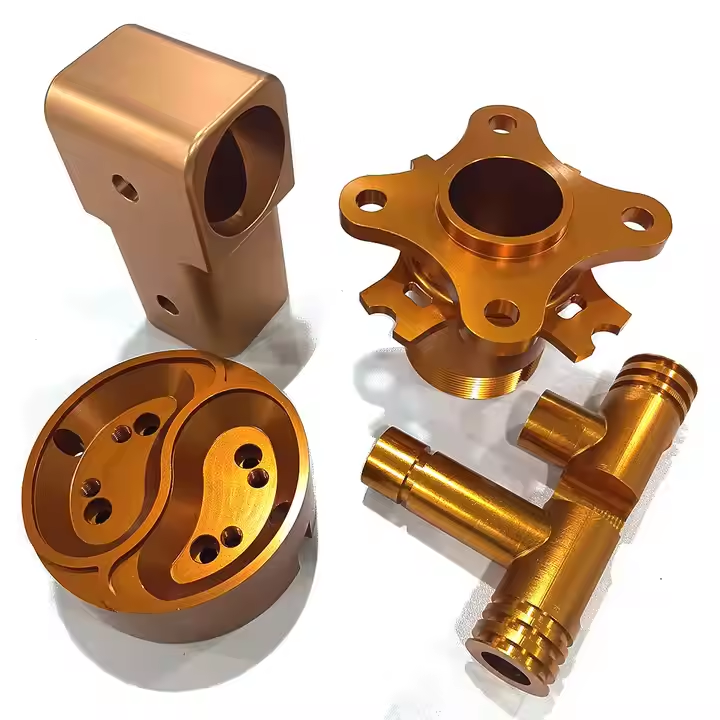
The CNC machining center mills, drills, etc. according to the preset program, with a machining accuracy reaching the micron level. Electrical Discharge Machining (EDM) uses the principle of electrical discharge erosion to process complex - shaped and high - hardness parts.
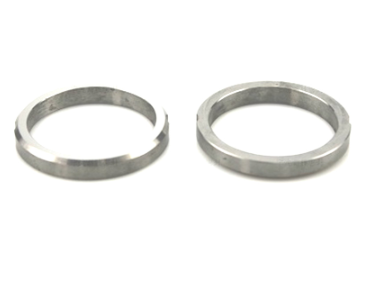
- Inspection
A coordinate measuring machine is used to measure the dimensions and shapes of parts, and compare them with the design model to correct errors in a timely manner. Nondestructive testing techniques such as ultrasonic testing and X - ray testing are used to detect internal defects of parts.
- Challenges
The improvement of product performance has led to a soaring demand for part precision. For example, the precision of semiconductor parts has reached the nanometer level. Balancing quality, cost, and efficiency is a difficult problem.
- Trends
Integrating emerging technologies such as artificial intelligence to achieve intelligent production. Adopting environmentally friendly materials and energy - saving processes to practice green manufacturing.
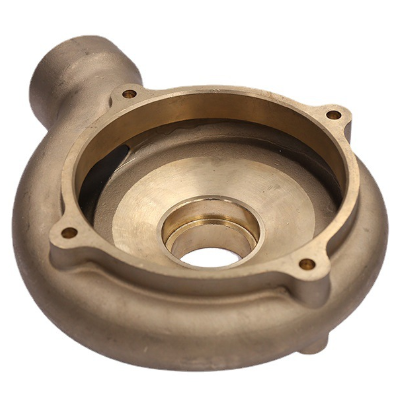
Mechanical precision parts manufacturing is the key to modern industry. Its development demonstrates a country's manufacturing strength and will continue to promote the progress of various fields.
Mechanical Precision Parts Manufacturing: The Precision Code of Modern Industry
What is the specific difference between cathodic electrophoresis and anodic electrophoresis?
Related Article

This article analyzes the prospects of the custom parts industry from three aspects: market demand, technological innovation, and challenges and opportunities, with specific cases to illustrate its development trends.
Analysis of the Prospects of the Custom Parts Industry
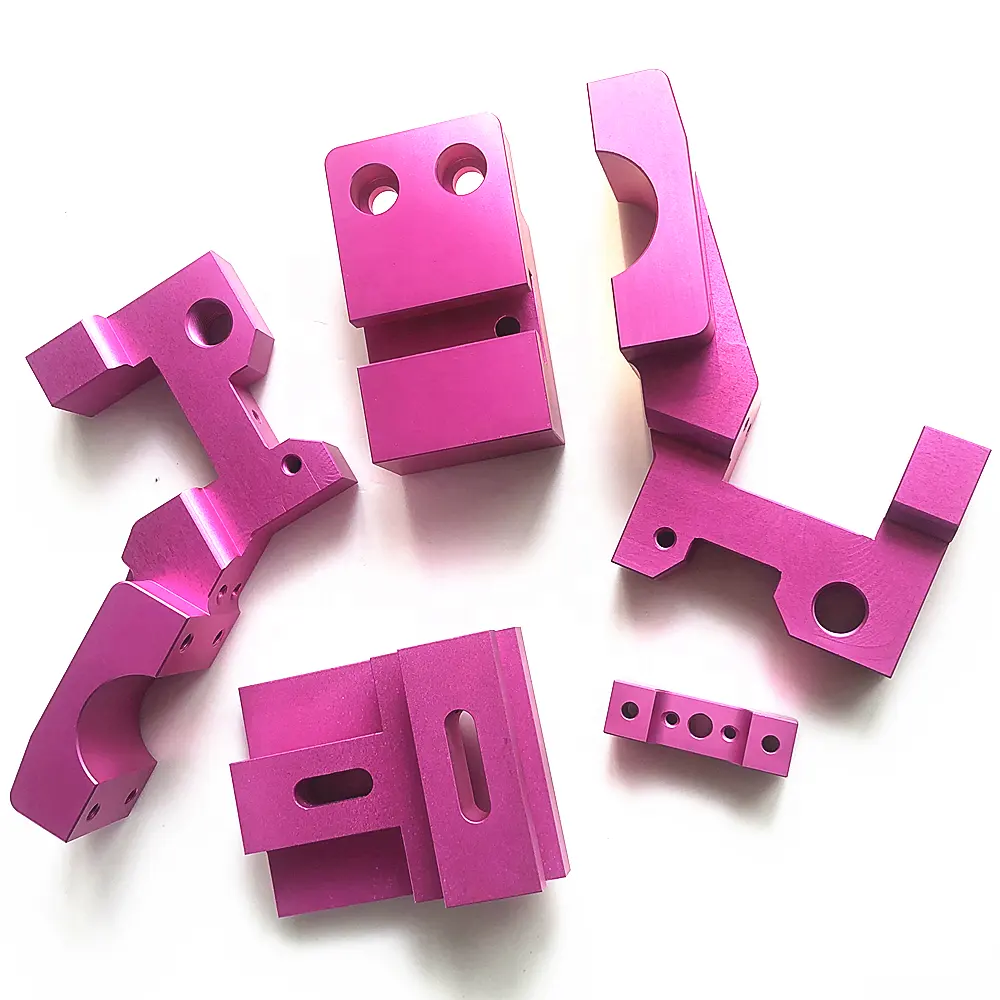
This article details CNC precision technology, covering its definition, applications in aerospace and electronics, advantages like high precision and automation, and its promising future in the manufacturing industry.
CNC Precision Technology: The Core Code of Modern Manufacturing and Its Infinite Potential
This part focuses on the shipbuilding industry, presenting a case of CNC technology application in the processing of large - scale ship propellers. It showcases how CNC technology addresses challenges in this field, improving processing efficiency and product quality, thus highlighting its significance in ship manufacturing.
CNC Technology Application Cases (Part 2)
This article focuses on the medical device manufacturing and 3C product manufacturing fields. Through specific cases, it elaborates on the remarkable achievements of CNC technology in manufacturing complex and precise components and improving product quality, demonstrating its crucial role in related industries.
CNC Technology Application Cases (Part 1)