
3D Printing and Aluminum Castings: The Cross - border Integration of Traditional Craft and Emerging Technology
author: DJ-03
2025-01-16
3D Printing and Aluminum Castings: The Cross - border Integration of Traditional Craft and Emerging Technology
This article focuses on 3D printing and aluminum castings, analyzes their characteristics, explores the integration methods, advantages, and challenges, and looks ahead to their prospects in the manufacturing industry.
I. Introduction
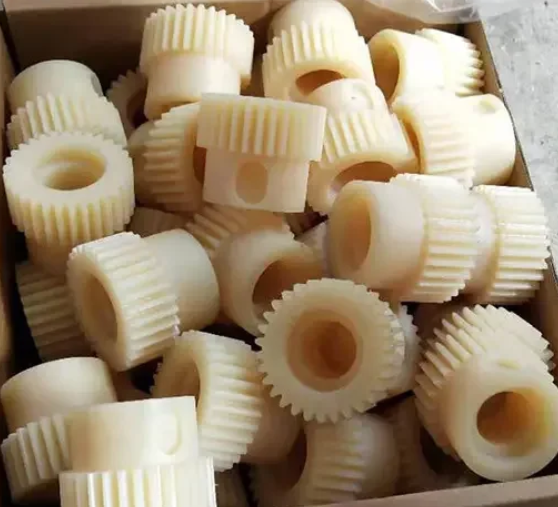
In the development of the manufacturing industry, technological innovation and integration are crucial. As an emerging technology, 3D printing breaks through traditional boundaries with additive manufacturing. Aluminum casting, as a traditional process, holds an important position in the industry due to its performance advantages. The collision of these two has sparked a fusion, driving the transformation of the manufacturing industry.
II. Analysis of 3D Printing and Aluminum Casting Processes
(I) 3D Printing Technology
3D printing, based on 3D model data, constructs solid objects by layer - by - layer material deposition. Its advantage lies in the ability to create complex shapes, expanding the design space. For example, the internal cooling channels of aircraft engine components, which are difficult to achieve with traditional processes, can be easily completed by 3D printing. Moreover, it doesn't require molds, shortening the R & D cycle and reducing the production cost for small - batch manufacturing.
(II) Aluminum Casting Process
The aluminum casting process has a long history. Liquid aluminum is poured into a mold cavity and solidifies to form the desired part. Aluminum has good strength - to - weight ratio, thermal conductivity, and corrosion resistance, making aluminum castings widely used in industries such as automotive, construction, and electronics. For instance, automotive engine blocks and wheels can not only reduce the vehicle's weight but also ensure strength.
III. Ways of Cross - border Integration

(I) 3D Printing Assisting Aluminum Casting Production
In the pre - production stage of aluminum castings, 3D printing can rapidly manufacture molds. Traditional mold manufacturing is time - consuming and costly, while 3D printing can achieve rapid prototyping and is convenient for design modification, being suitable for complex and small - batch customized molds. For example, 3D printing can complete the manufacturing of a mold for an aluminum handicraft with unique textures in a short time.
(II) Aluminum Castings Combined with 3D Printing to Optimize Product Performance
First, 3D print the complex structural parts of the product, and then combine them with the main body of the aluminum casting through casting. For example, in manufacturing a heat - dissipation device, 3D print the fine heat - dissipation fins, and then integrally form them with the aluminum casting shell to improve the heat - dissipation effect.
IV. Advantages of the Integration

(I) Performance Enhancement
The integration can optimize the product structure. In the manufacturing of aerospace components, 3D print the internal lattice structure and combine it with the high strength of aluminum castings to improve impact resistance and fatigue strength while reducing weight.
(II) Expansion of Application Fields
The integrated process can produce products that were difficult to achieve in the past, supporting emerging industries. In the biomedical field, 3D print customized implant shapes according to patients' bone data, and combine with the biocompatibility and mechanical properties of aluminum castings to promote the progress of medical technology.
(III) Cost Reduction
For small - batch and multi - variety production, the combination of 3D - printed molds and aluminum castings avoids the high cost of traditional large - scale mold manufacturing. Precise material use and efficient processes reduce waste and production cycles, lowering the overall cost.
V. Challenges Faced

(I) Material Compatibility Issues
When 3D - printing materials and aluminum casting materials are integrated, problems such as poor interface bonding and uneven element diffusion may occur, affecting product performance. It is necessary to study material characteristics and optimize process parameters.
(II) Quality Control Difficulties
The integration of the two processes complicates the production flow, increasing the difficulty of quality control. From the accuracy control of 3D printing to the defect monitoring of aluminum casting, a complete quality control system is required.
(III) Lack of Technical Standards
Currently, the integrated process of 3D printing and aluminum casting lacks unified technical standards, restricting its promotion. The industry needs to strengthen cooperation to develop relevant standards.
VI. Conclusion
The integration of 3D printing and aluminum castings is a complementary combination of traditional and emerging technologies. Although facing challenges, these will be gradually resolved with technological progress and industry exploration. In the future, it is expected to make breakthroughs in more fields, promoting the manufacturing industry to move towards intelligence, personalization, and high - efficiency.
The Innovation Path of Aluminum Casting Manufacturing: From Technological Breakthroughs to Performance Leaps
What is the difference between 3D printing, casting and machining?
Related Article

This article analyzes the prospects of the custom parts industry from three aspects: market demand, technological innovation, and challenges and opportunities, with specific cases to illustrate its development trends.
Analysis of the Prospects of the Custom Parts Industry
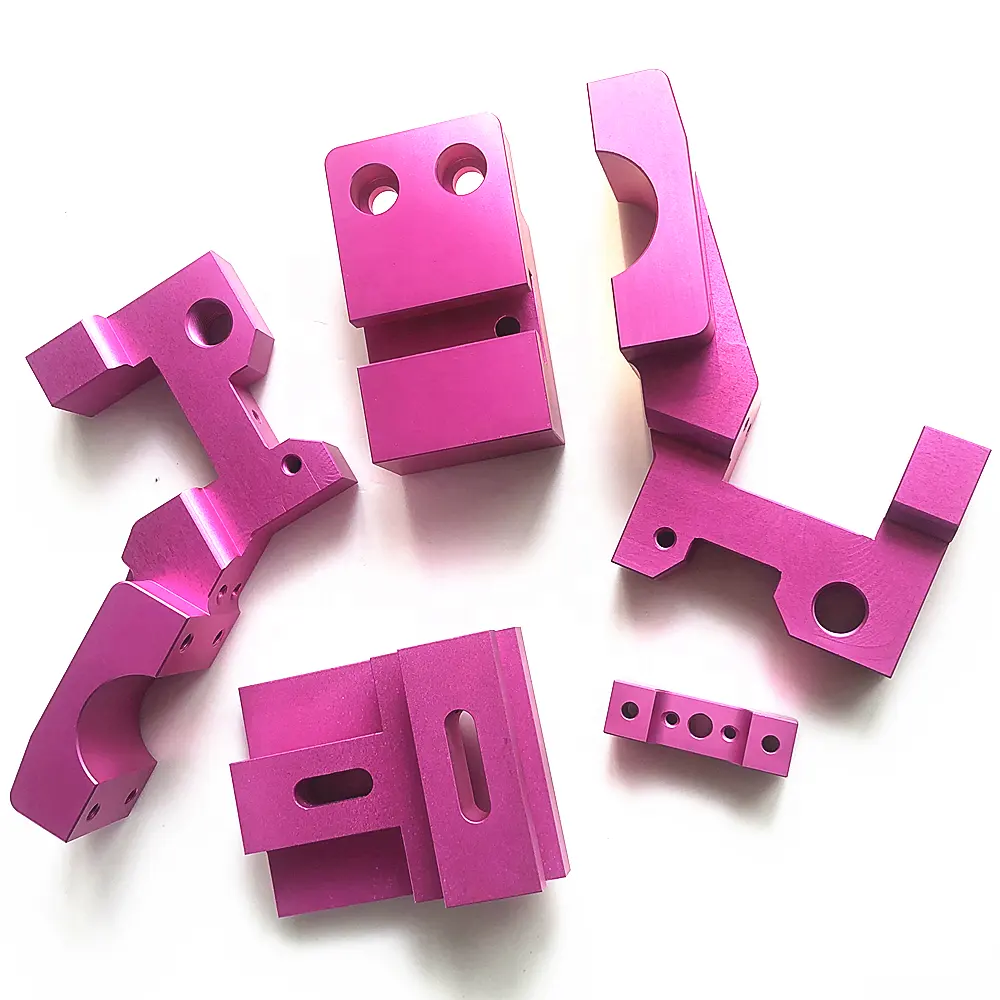
This article details CNC precision technology, covering its definition, applications in aerospace and electronics, advantages like high precision and automation, and its promising future in the manufacturing industry.
CNC Precision Technology: The Core Code of Modern Manufacturing and Its Infinite Potential
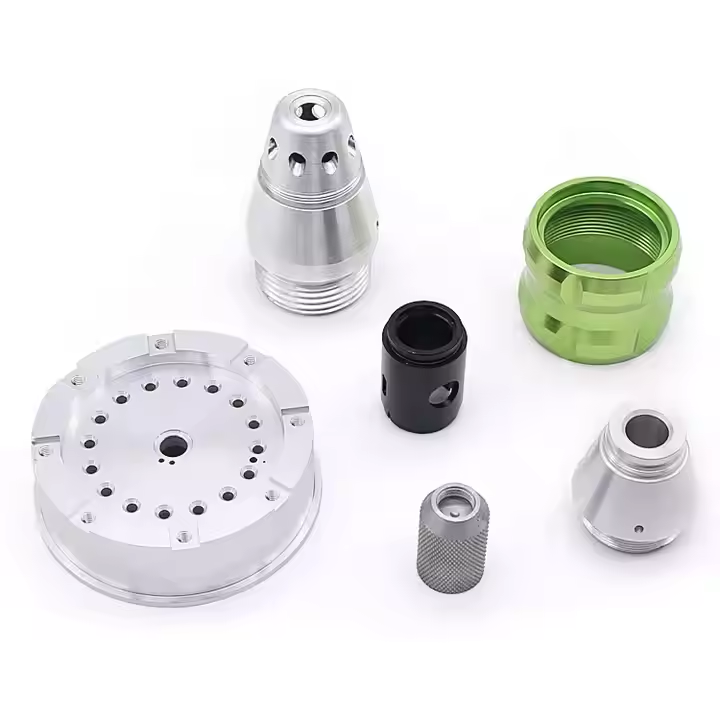
This part focuses on the shipbuilding industry, presenting a case of CNC technology application in the processing of large - scale ship propellers. It showcases how CNC technology addresses challenges in this field, improving processing efficiency and product quality, thus highlighting its significance in ship manufacturing.
CNC Technology Application Cases (Part 2)
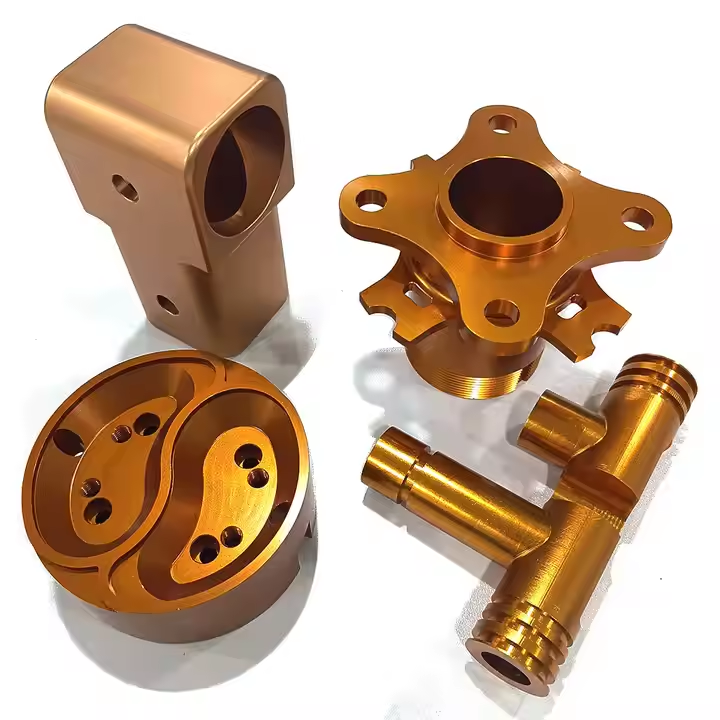
This article focuses on the medical device manufacturing and 3C product manufacturing fields. Through specific cases, it elaborates on the remarkable achievements of CNC technology in manufacturing complex and precise components and improving product quality, demonstrating its crucial role in related industries.
CNC Technology Application Cases (Part 1)