
What are the differences in tolerance control between work pieces of different materials?
author: DJ-04
2024-12-18
What are the differences in tolerance control between work pieces of different materials?
There may be some differences in tolerance control between workpieces of different materials because different materials have different physical properties and processing performance.
The following are some common differences in tolerance control between workpieces of different materials:
Metallic materials:
Aluminum alloys: usually have higher processing performance, are easier to process, and can achieve stricter tolerance control.
Steel: higher hardness, may require higher cutting force during processing, and tolerance control may be relatively strict.
Stainless steel: compared with ordinary steel, stainless steel has poorer cutting performance and may require more precise processing technology and tolerance control.

Plastic materials:
ABS: one of the commonly used plastic materials, easy to process, and relatively flexible tolerance control.
Polystyrene (PS): also easy to process, and can achieve stricter tolerance control.
Nylon: higher hardness, may require more attention and precise tolerance control during processing.

Composite materials:
Carbon fiber composite materials: high hardness and good toughness, may require special processing technology and stricter tolerance control during processing.
Fiberglass composite materials: moderate hardness, good processing performance, relatively easy tolerance control.
In the actual processing, tolerance control should be carried out according to the specific situation for workpieces of different materials, and processing parameters and techniques should be adjusted to ensure that the tolerance range required by the design is met.
At the same time, factors such as material characteristics and processing difficulty should also be considered, and the selection of processing technology and tolerance control requirements should be comprehensively considered.
Several factors can affect the accuracy of CNC drilling:
A Comprehensive Analysis of the Application of PVC Material in Part Manufacturing
Related Article

This article analyzes the prospects of the custom parts industry from three aspects: market demand, technological innovation, and challenges and opportunities, with specific cases to illustrate its development trends.
Analysis of the Prospects of the Custom Parts Industry
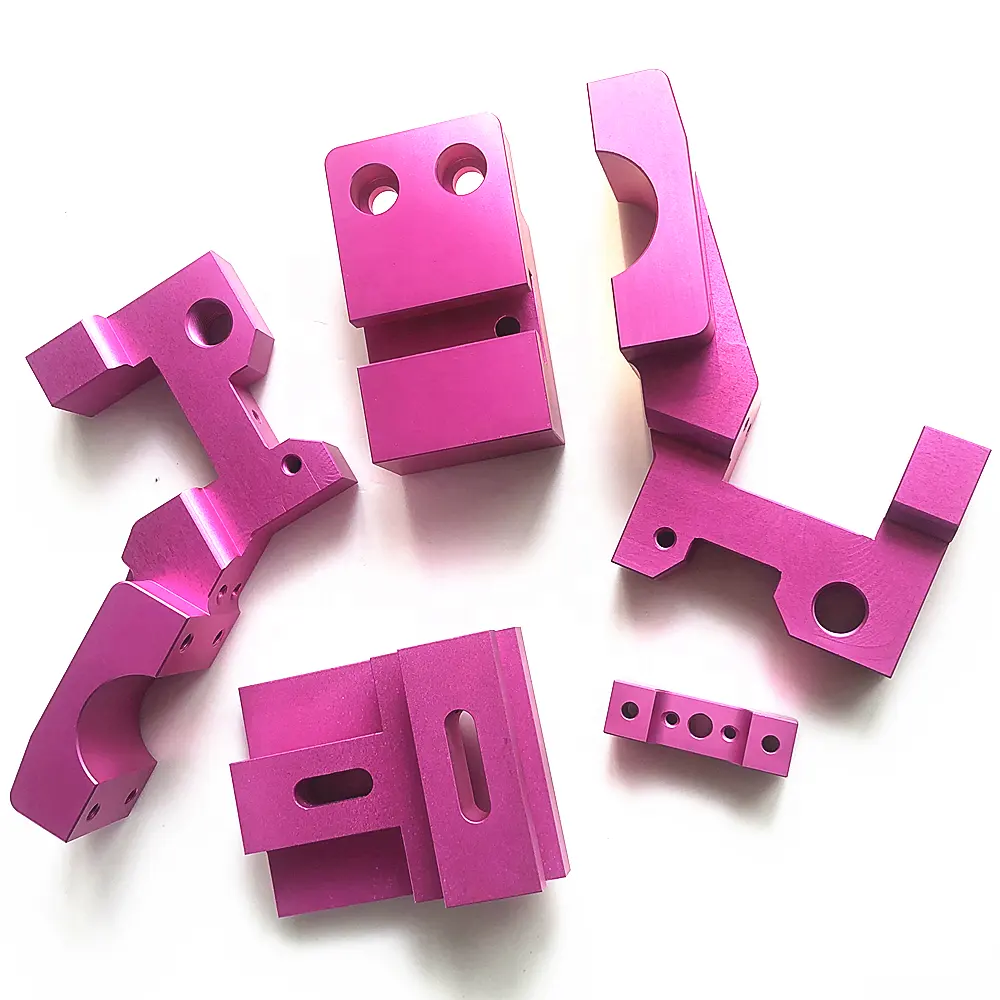
This article details CNC precision technology, covering its definition, applications in aerospace and electronics, advantages like high precision and automation, and its promising future in the manufacturing industry.
CNC Precision Technology: The Core Code of Modern Manufacturing and Its Infinite Potential
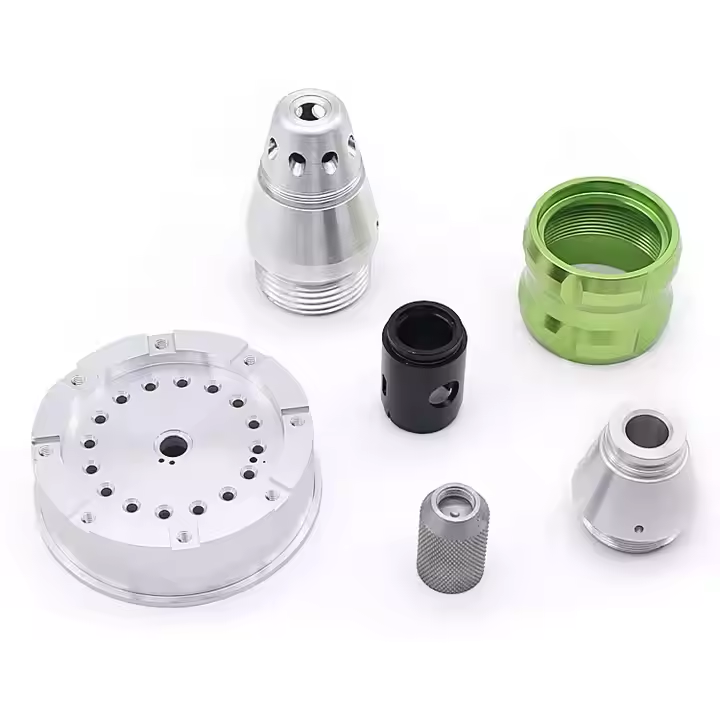
This part focuses on the shipbuilding industry, presenting a case of CNC technology application in the processing of large - scale ship propellers. It showcases how CNC technology addresses challenges in this field, improving processing efficiency and product quality, thus highlighting its significance in ship manufacturing.
CNC Technology Application Cases (Part 2)
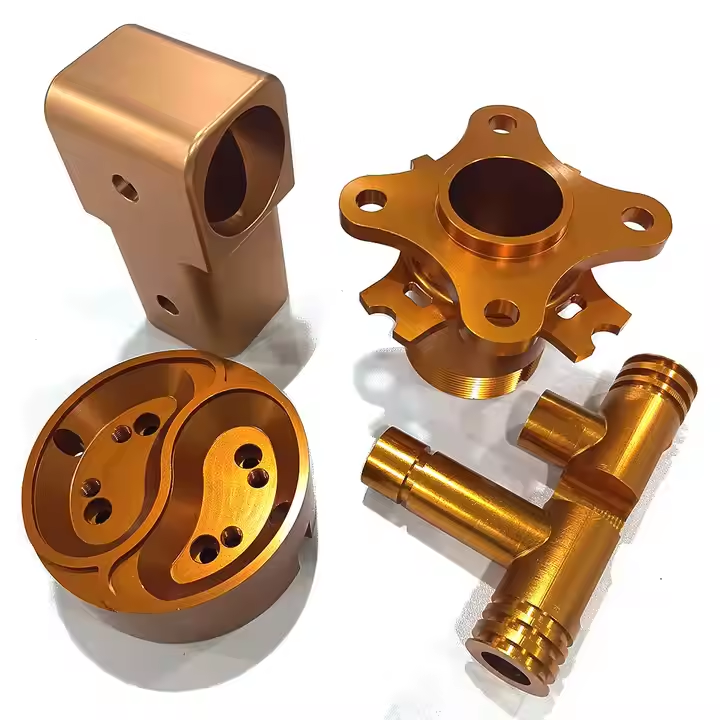
This article focuses on the medical device manufacturing and 3C product manufacturing fields. Through specific cases, it elaborates on the remarkable achievements of CNC technology in manufacturing complex and precise components and improving product quality, demonstrating its crucial role in related industries.
CNC Technology Application Cases (Part 1)