
Heat treatment of CNC machined parts
author: DJ-01
2024-10-24
Heat treatment can be applied to many metal alloys to significantly improve key physical properties (e.g. hardness, strength or machinability). These changes are due to alterations in the microstructure and sometimes in the chemical composition of the material.
These treatments involve heating the metal alloy to (usually) extreme temperatures and then cooling it under controlled conditions. The certain temperature to which the material is heated, the time for which it is held at that temperature, and the rate of cooling can greatly affect the final physical properties of the metal alloy.
In this article, we review the heat treatments associated with the most commonly used metal alloys in CNC machining. By describing how these processes affect the final part properties, this article will help you select the right material for your application.
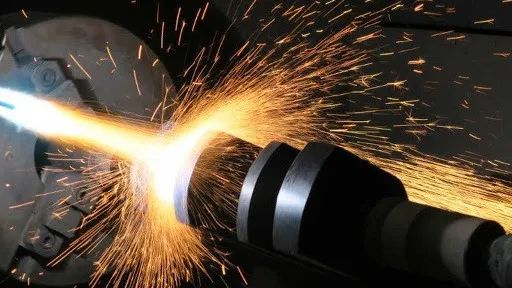
Heat treatments can be applied to metal alloys throughout the manufacturing process. For CNC machined parts, heat treatments are typically applied: Prior to CNC Machining: When requesting off-the-shelf, standard grade metal alloys, CNC service providers will machine parts directly from stock material. This is often the best option for shortening lead times.
After CNC Machining: Some heat treatments significantly increase the hardness of the material or are used as a finishing step after forming. In these cases, the heat treatment is performed after CNC machining because the high hardness reduces the machinability of the material. For example, this is standard practice when CNC machining tool steel parts.
Rubber Materials: Characteristics and Applications
Brass: A Comprehensive Analysis of Characteristics, Uses and Processing Techniques
Related Article

This article analyzes the prospects of the custom parts industry from three aspects: market demand, technological innovation, and challenges and opportunities, with specific cases to illustrate its development trends.
Analysis of the Prospects of the Custom Parts Industry
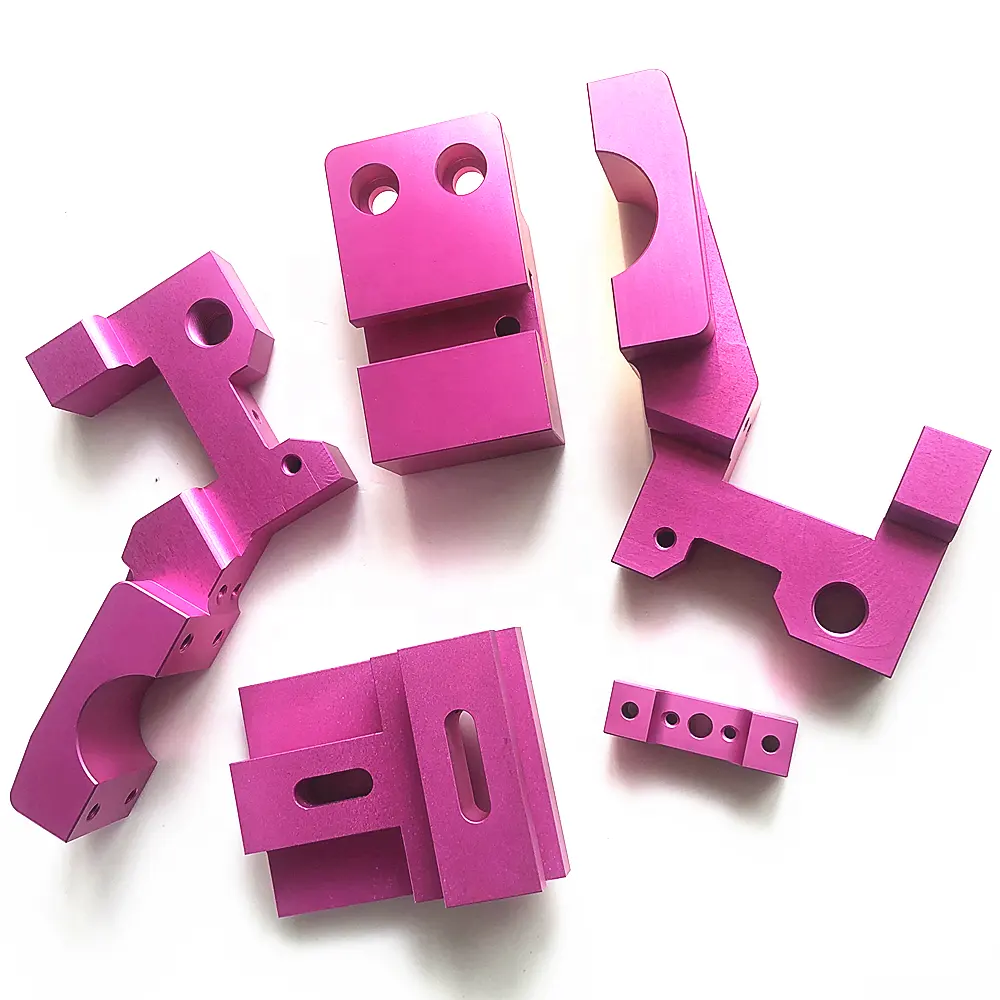
This article details CNC precision technology, covering its definition, applications in aerospace and electronics, advantages like high precision and automation, and its promising future in the manufacturing industry.
CNC Precision Technology: The Core Code of Modern Manufacturing and Its Infinite Potential
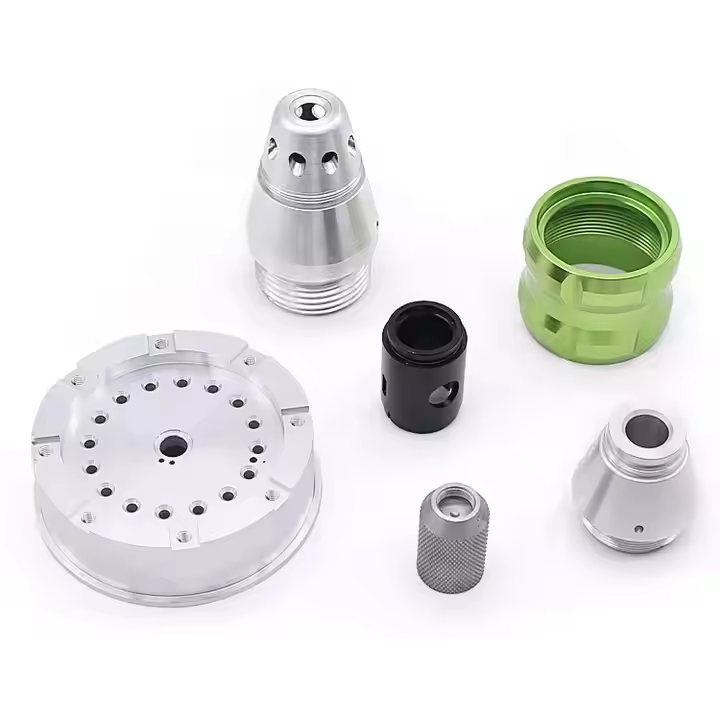
This part focuses on the shipbuilding industry, presenting a case of CNC technology application in the processing of large - scale ship propellers. It showcases how CNC technology addresses challenges in this field, improving processing efficiency and product quality, thus highlighting its significance in ship manufacturing.
CNC Technology Application Cases (Part 2)
This article focuses on the medical device manufacturing and 3C product manufacturing fields. Through specific cases, it elaborates on the remarkable achievements of CNC technology in manufacturing complex and precise components and improving product quality, demonstrating its crucial role in related industries.
CNC Technology Application Cases (Part 1)