
Electrophoresis: An Outstanding Metal Surface Treatment Process
author: DJ-03
2024-12-10
Electrophoresis: An Outstanding Metal Surface Treatment Process
I. Basic Principle of Electrophoresis
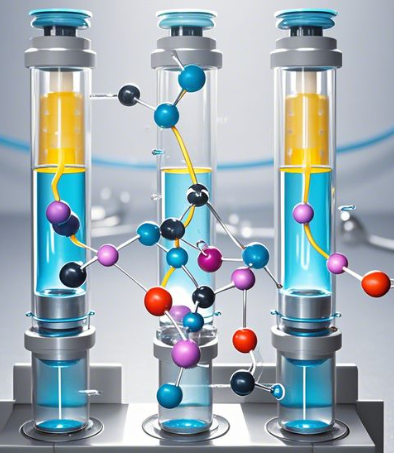
Electrophoresis is a technique that utilizes the characteristic of charged particles moving directionally under the influence of an electric field to deposit paint particles on the metal surface to form a uniform coating. Components such as resins and pigments in the electrophoretic coating liquid acquire charges in the electric field. When a metal workpiece is immersed in the electrophoretic liquid as an electrode and the power is turned on, the charged paint particles migrate towards the surface of the workpiece, deposit and accumulate there. Finally, after a curing process, a protective and decorative coating is formed.

II. Advantages of the Electrophoresis Process
-
Outstanding Coating Uniformity:
-
Paint particles are uniformly deposited on all parts of the metal surface under the action of the electric field. Whether it is a workpiece with a complex shape, such as structures with grooves, gaps, and corners, or large flat areas, a coating with a uniform thickness can be obtained.
-
This improves the appearance quality and protective performance of metal products and avoids quality problems such as local corrosion caused by uneven coating thickness.
-
-
High Adhesion:
-
The paint adheres tightly to the metal surface through chemical bonding and other means. Compared with traditional coating methods, the electrophoretic coating is less likely to fall off or peel off.
-
It enables metal products to maintain the integrity of the coating under conditions such as humidity, acid-base environments, and mechanical friction, effectively protecting the metal substrate.
-
-
Strong Environmental Protection:
-
The utilization rate of paint in the electrophoretic coating process is high, and the emissions of paint mist and volatile organic compounds (VOCs) are greatly reduced compared with spraying processes.
-
It reduces environmental pollution, minimizes harm to the health of operators, meets the strict requirements of modern industrial environmental protection production, and enhances the competitiveness of the process.
-
III. Applications of Electrophoresis in Various Industries
-
Automobile Manufacturing Industry:
-
The bodies, frames and various parts of automobiles are often subjected to the electrophoresis process for primer treatment.
-
The electrophoretic primer provides a good foundation for rust prevention, extends the service life of automobiles, and the uniform and beautiful coating lays a high-quality foundation for the subsequent topcoat spraying, improving the overall appearance quality of automobiles.
-
-
Hardware Furniture Field:
-
Metal furniture such as tables, chairs, cabinets, and hardware fittings for doors and windows can obtain various color effects after electrophoresis treatment.
-
The surface coating is resistant to wear and corrosion, meeting the various needs of furniture in daily use and maintaining long-term aesthetics and durability.
-
-
Other Industries:
-
For the metal shells of electronic devices, the electrophoretic coating provides protection and meets the requirements of electromagnetic shielding.
-
For metal components used in architectural decoration, the electrophoresis process enables the components to exhibit different colors and glosses, adapting to the design requirements of various architectural styles and enhancing their durability in outdoor environments.
-
In the mechanical manufacturing industry, it protects the surfaces of mechanical parts and improves their corrosion resistance and service life.
-
In conclusion, electrophoresis, as an advanced metal surface treatment process, occupies an important position in many industries due to its advantages, improving the quality, performance and aesthetics of metal products. Moreover, with the continuous development of technology, its application prospects will be even broader。
The importance of surface roughness
Which materials are suitable for EDM processing of medical devices?
Related Article

This article analyzes the prospects of the custom parts industry from three aspects: market demand, technological innovation, and challenges and opportunities, with specific cases to illustrate its development trends.
Analysis of the Prospects of the Custom Parts Industry
This article details CNC precision technology, covering its definition, applications in aerospace and electronics, advantages like high precision and automation, and its promising future in the manufacturing industry.
CNC Precision Technology: The Core Code of Modern Manufacturing and Its Infinite Potential
This part focuses on the shipbuilding industry, presenting a case of CNC technology application in the processing of large - scale ship propellers. It showcases how CNC technology addresses challenges in this field, improving processing efficiency and product quality, thus highlighting its significance in ship manufacturing.
CNC Technology Application Cases (Part 2)
This article focuses on the medical device manufacturing and 3C product manufacturing fields. Through specific cases, it elaborates on the remarkable achievements of CNC technology in manufacturing complex and precise components and improving product quality, demonstrating its crucial role in related industries.
CNC Technology Application Cases (Part 1)