
Processing of Spare Parts for Automation Equipment: The Precision Foundation of Modern Manufacturing.
author: DJ-03
2024-12-09
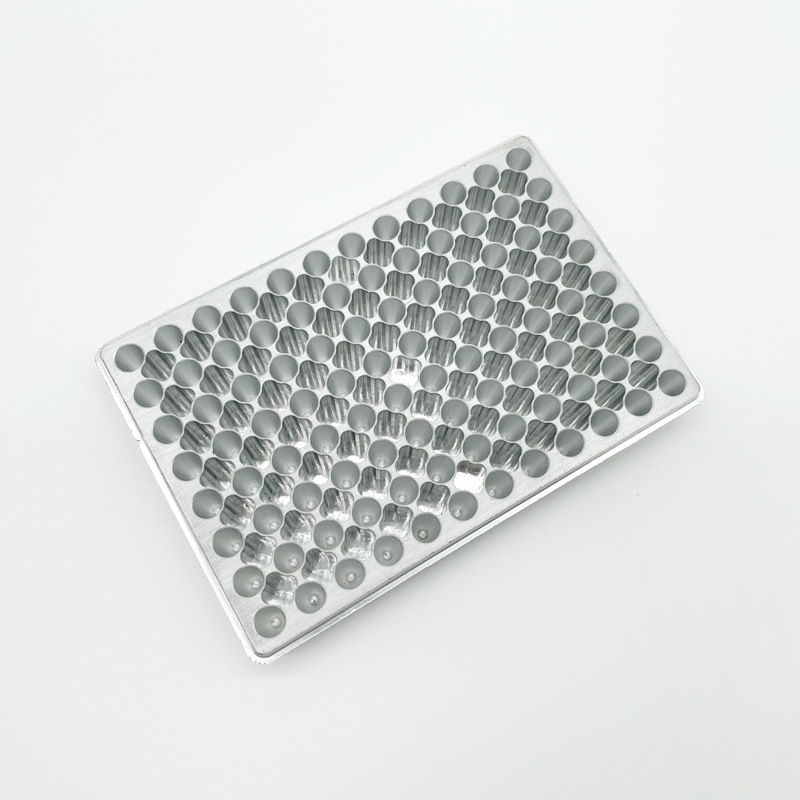
Processing of Spare Parts for Automation Equipment: The Precision Foundation of Modern Manufacturing
In the wave of Industry 4.0, automated equipment has become the core driving force for the efficient operation of various industries, and the processing of automated equipment spare parts is a key element in building this force.

I. Core Position
The excellent performance of automated equipment depends on the high quality of spare parts. Even the slightest flaw in a spare part can lead to frequent equipment failures and production stoppages, resulting in huge economic losses. Therefore, the control of the precision and quality of spare part processing is of utmost importance in the manufacturing of automated equipment and is the cornerstone for ensuring the continuity and stability of industrial production.

II. Highlights of Processing Techniques
-
CNC Machining: By relying on precise CNC programs to drive the cutting tools of machine tools to precisely process parts. Whether it's complex contours or precise hole positions, it can stably achieve micron-level precision, meeting the stringent precision requirements of automated equipment for parts.
-
Electrical Discharge Machining (EDM): It has unique advantages in processing parts with high hardness and complex structures. By utilizing the electrical discharge erosion effect between the electrode and the workpiece, it can easily overcome difficulties that are hard to solve with traditional machining methods, creating perfect shapes for key components such as molds of automated equipment.
-
Laser Processing: With the characteristics of being non-contact and having high energy density, it performs excellently in cutting and welding. Laser cutting can achieve high-precision and rapid cutting of thin sheet materials, and welding can ensure the high strength and precision of the connection of tiny parts, and it is widely used in the processing of electronic automated equipment.
III. Diversified Application of Materials
The materials for automated equipment spare parts are rich and diverse. Aluminum alloy is often used in lightweight structural parts of automated equipment due to its light weight and good processability. Stainless steel performs outstandingly in equipment components working in harsh environments because of its corrosion resistance and high strength. Titanium alloy shines brightly in the field of high-end automated equipment thanks to its excellent comprehensive properties. Among non-metallic materials, engineering plastics are widely used in transmission and protective parts due to their insulation, self-lubrication and other properties, while ceramic materials occupy an important position in precision grinding and other parts because of their high hardness and wear resistance.

IV. Quality Control System
Quality control runs through the entire process of automated equipment spare parts processing. From the inspection of raw materials, to the monitoring of processing parameters and tool management during the processing, and then to the precise inspection after processing, every step is strictly controlled. Advanced inspection equipment such as coordinate measuring machines, profilometers, and hardness testers work together to ensure that each spare part meets the design standards and quality specifications, safeguarding the reliable operation of automated equipment.
Metal processing post-treatment paint: full analysis of technology, advantages and applications
Recent Advances and Applications of Electrical Discharge Machining (EDM)
Related Article

This article analyzes the prospects of the custom parts industry from three aspects: market demand, technological innovation, and challenges and opportunities, with specific cases to illustrate its development trends.
Analysis of the Prospects of the Custom Parts Industry
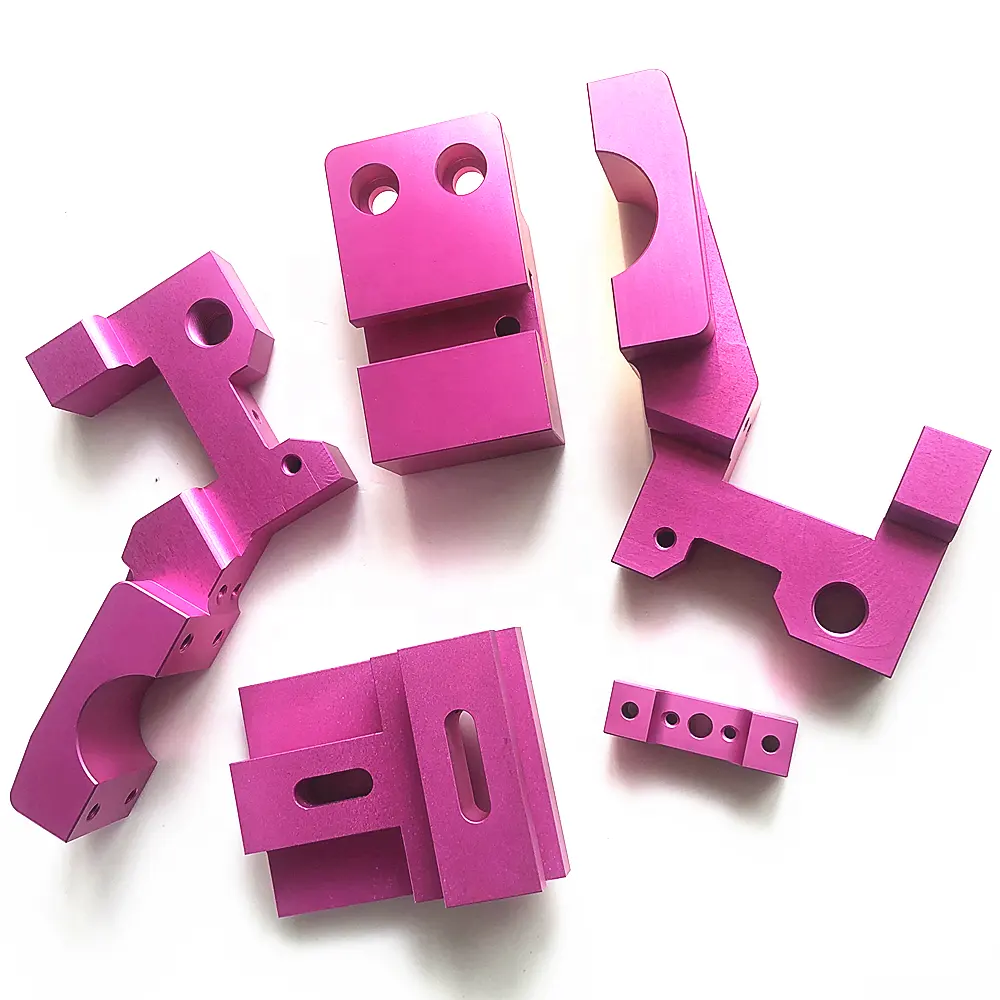
This article details CNC precision technology, covering its definition, applications in aerospace and electronics, advantages like high precision and automation, and its promising future in the manufacturing industry.
CNC Precision Technology: The Core Code of Modern Manufacturing and Its Infinite Potential
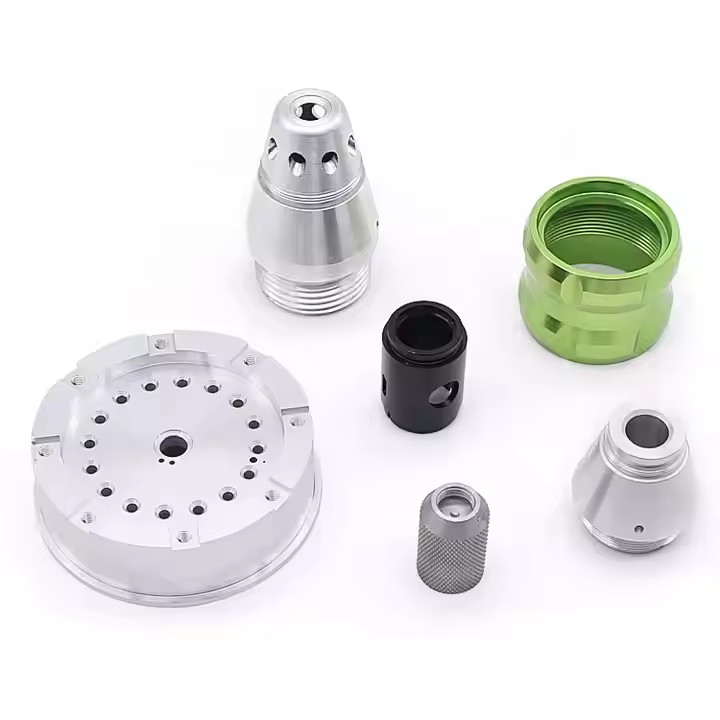
This part focuses on the shipbuilding industry, presenting a case of CNC technology application in the processing of large - scale ship propellers. It showcases how CNC technology addresses challenges in this field, improving processing efficiency and product quality, thus highlighting its significance in ship manufacturing.
CNC Technology Application Cases (Part 2)
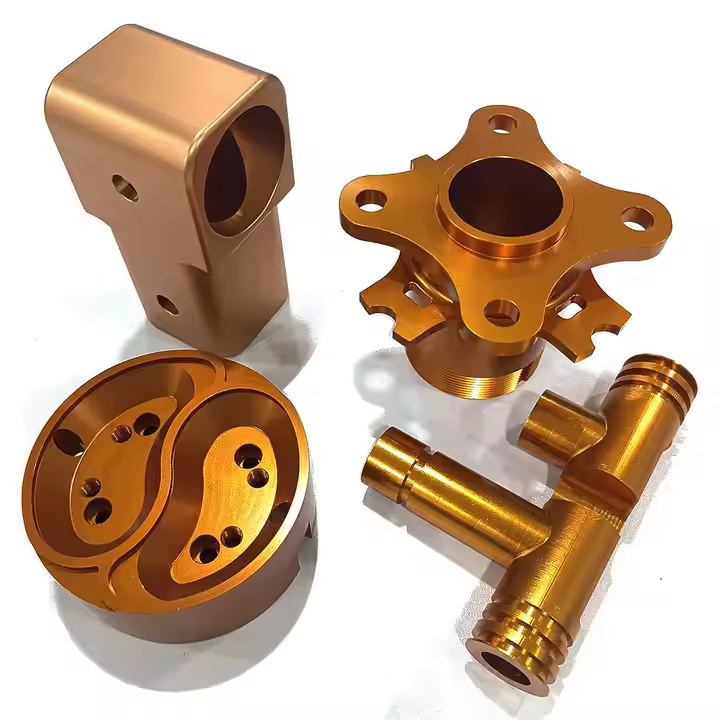
This article focuses on the medical device manufacturing and 3C product manufacturing fields. Through specific cases, it elaborates on the remarkable achievements of CNC technology in manufacturing complex and precise components and improving product quality, demonstrating its crucial role in related industries.
CNC Technology Application Cases (Part 1)