
Red Oxidation: A Unique Existence in Multiple Fields
author: DJ-03
2024-12-18

Red Oxidation: A Unique Existence in Multiple Fields
Red oxidation has a significant influence in many fields such as metal treatment, chemical synthesis, art, and culture. Its unique properties give rise to a wide range of applications.
I. Principle and Characteristics
Red oxidation results from the reaction of substances with oxygen under specific conditions, producing red oxidation products. For example, iron forms iron(III) oxide (Fe₂O₃) which appears red or reddish-brown in a humid and oxygen-rich environment. This not only changes the chemical composition but also alters the physical and chemical properties. The oxide layer on the metal surface has the dual functions of anti-rust and decoration. Its compactness can prevent further oxidation inside the metal, and its chemical stability, hardness, and optical properties vary depending on the specific substances, laying the foundation for its applications.
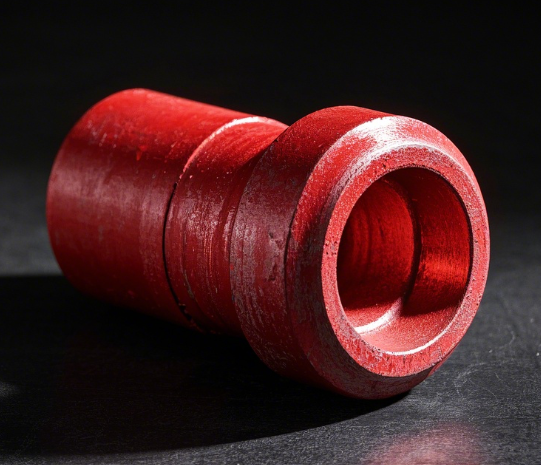
II. Applications in the Field of Metal Materials
-
Anti-rust and Decoration
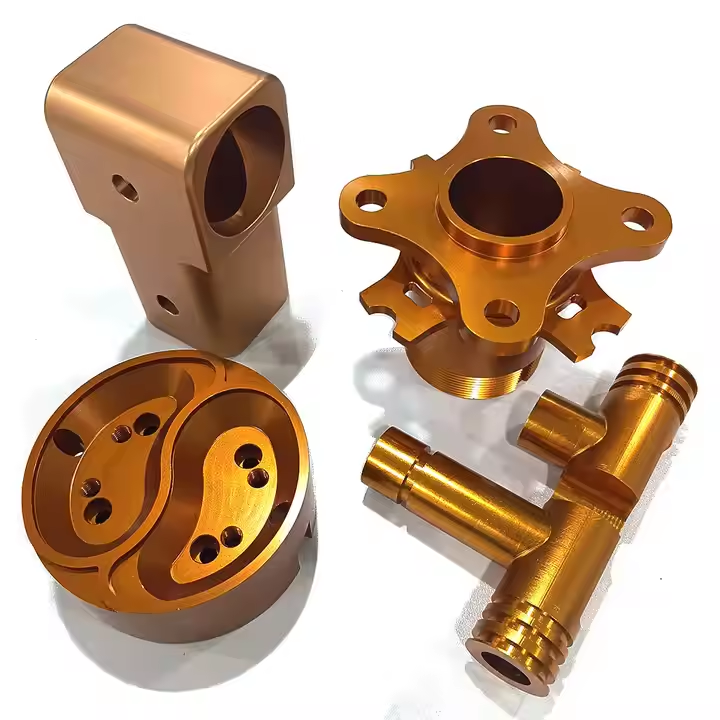
During metal processing, the red oxidation treatment on the surface of steel products can form a uniform, aesthetically pleasing, and anti-rust oxide film. It enhances the texture and artistic added value. For instance, the metal parts of firearms and the casings of machinery are treated in this way to achieve both an attractive appearance and anti-rust properties.
-
Performance Improvement
The red oxide layer can optimize the friction coefficient, hardness, and other properties of the metal surface. In mechanical transmission systems, the friction coefficient of the metal surface treated with red oxidation is optimized, reducing wear and energy consumption. The increased hardness of the oxide layer enhances the wear resistance and scratch resistance, improving the reliability of the metal parts.
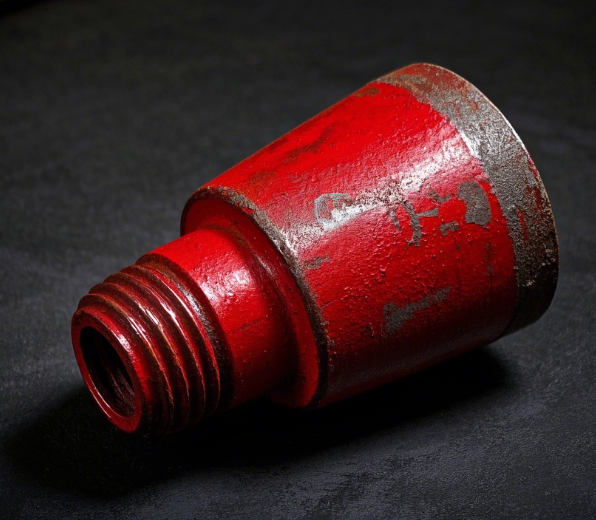
III. Roles in Chemical Synthesis and Industrial Production
-
Catalysis and Reaction Promotion
In some chemical syntheses, red oxidized substances act as catalysts or reaction intermediates. In organic synthesis, specific metal oxides accelerate reactions, lower the activation energy, and increase the yield and selectivity of the target products, promoting the efficient production in the chemical industry.
-
Raw Materials for Pigments and Dyes
Red oxidized substances are important raw materials in the pigment and dye industries. Iron oxide red is used in architectural coatings due to its good covering power, coloring ability, lightfastness, and chemical stability. In the textile industry, red oxidized dyes can give fabrics a bright red color with good color fastness.
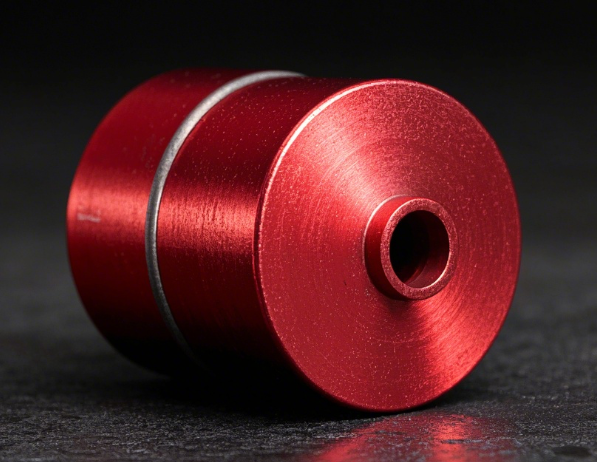
IV. Significance in Art and Culture
-
Color Element in Artistic Creation
Red symbolizes a variety of emotional connotations in artistic creation. Red oxidized materials provide a unique means of color expression for painting, sculpture, and ceramic creation. During ceramic firing, by controlling the kiln atmosphere and firing techniques, a unique red oxide layer can be formed on the ceramic surface, which has extraordinary charm.
-
Information Source in Heritage Conservation
In heritage conservation, the red oxidation marks on the surfaces of bronze ware, ironware, and other artifacts are witnesses of history and important information carriers for studying ancient cultures, crafts, and environmental conditions. Heritage conservation workers can learn about the artifacts' information through analyzing these red oxide layers and formulate conservation plans to inherit cultural heritage.
Red oxidation plays a significant role in multiple fields. In-depth exploration of its principle, characteristics, and applications will help promote technological innovation and cultural inheritance, creating more possibilities for the development of human society.
Nylon Parts: A Shining Star in Engineering Materials with Excellent Performance and Wide Applications
Precision parts: the micro foundation of modern industry
Related Article

This article analyzes the prospects of the custom parts industry from three aspects: market demand, technological innovation, and challenges and opportunities, with specific cases to illustrate its development trends.
Analysis of the Prospects of the Custom Parts Industry
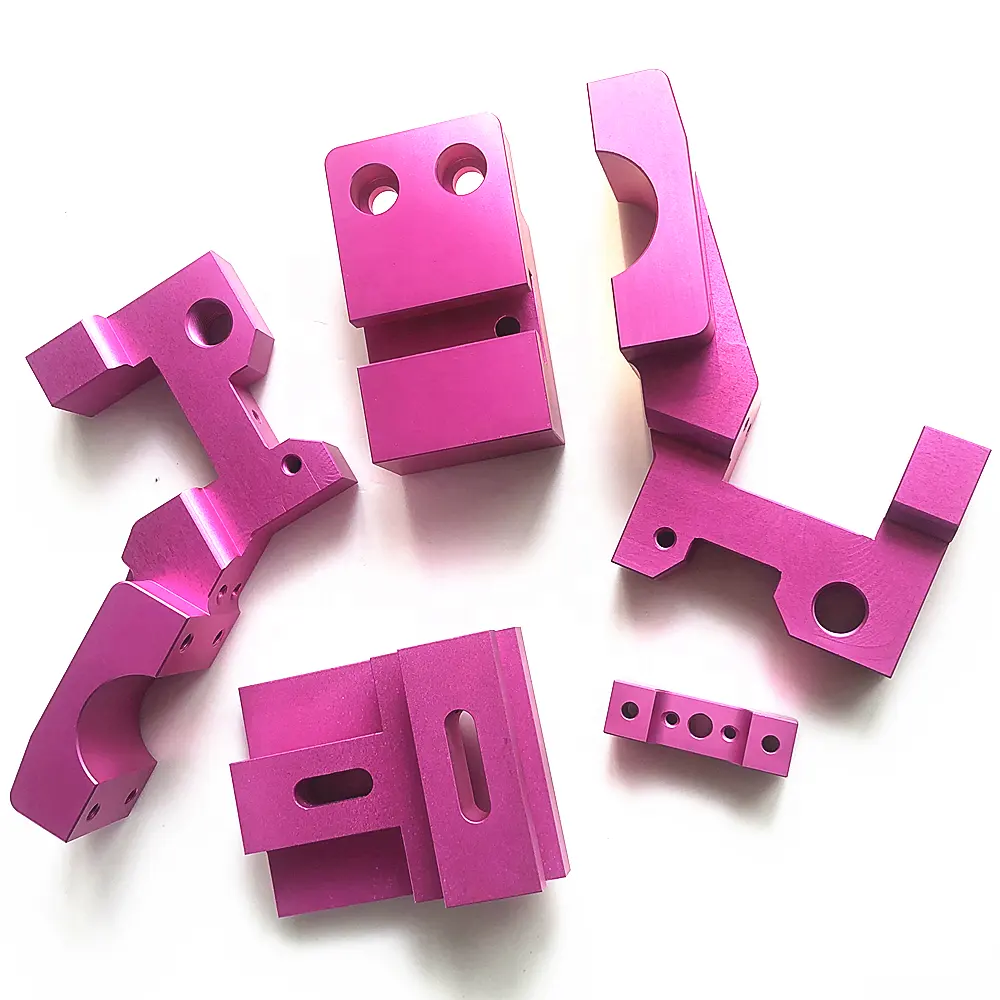
This article details CNC precision technology, covering its definition, applications in aerospace and electronics, advantages like high precision and automation, and its promising future in the manufacturing industry.
CNC Precision Technology: The Core Code of Modern Manufacturing and Its Infinite Potential

This part focuses on the shipbuilding industry, presenting a case of CNC technology application in the processing of large - scale ship propellers. It showcases how CNC technology addresses challenges in this field, improving processing efficiency and product quality, thus highlighting its significance in ship manufacturing.
CNC Technology Application Cases (Part 2)
This article focuses on the medical device manufacturing and 3C product manufacturing fields. Through specific cases, it elaborates on the remarkable achievements of CNC technology in manufacturing complex and precise components and improving product quality, demonstrating its crucial role in related industries.
CNC Technology Application Cases (Part 1)