
Metal Parts: The Core Elements of Industrial Operation
author: DJ-03
2025-01-15
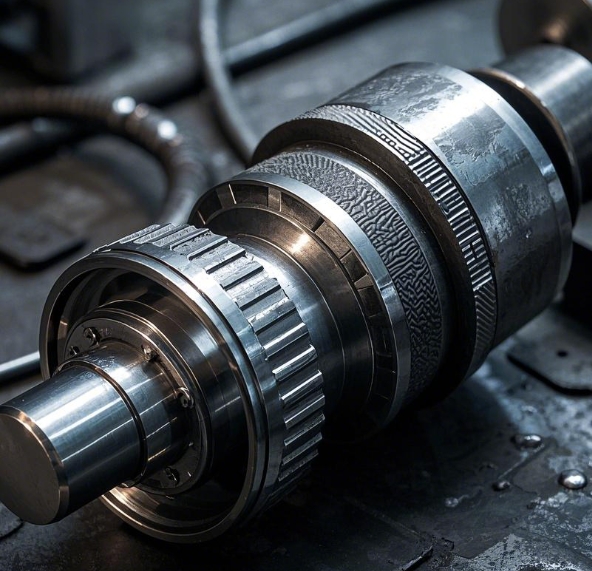
Metal Parts: The Core Elements of Industrial Operation
Abstract: This article focuses on metal parts, elaborating on their definitions, classifications, manufacturing processes, application fields, and development trends, demonstrating their core position in the industrial system.
I. Definitions and Classifications
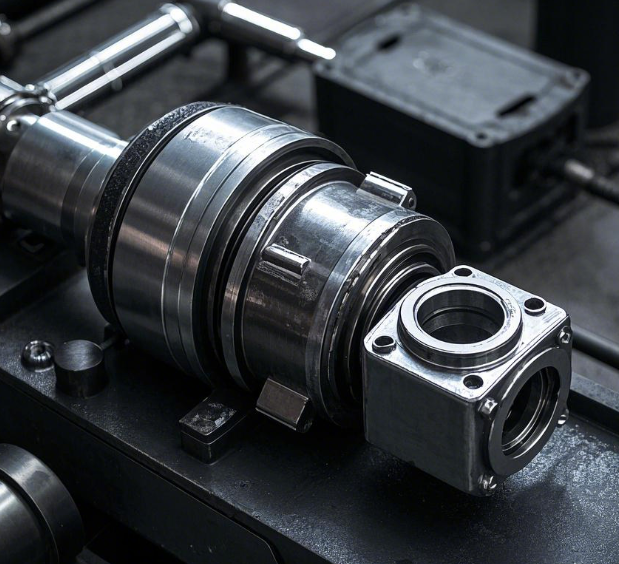
- Definition: Components made of metal materials through specific processes, with specific shapes, dimensions, and functions.
- Classifications:
- By Material: There are steel parts, aluminum alloy parts, copper alloy parts, etc. Steel parts feature high strength, good toughness, and wear resistance. Aluminum alloy parts are lightweight and corrosion - resistant. Copper alloy parts have excellent electrical and thermal conductivity.
- By Function: They include structural parts (such as steel beams in buildings and mechanical brackets), transmission parts (such as crankshafts and gears), and connection parts (such as bolts and nuts).
II. Manufacturing Processes
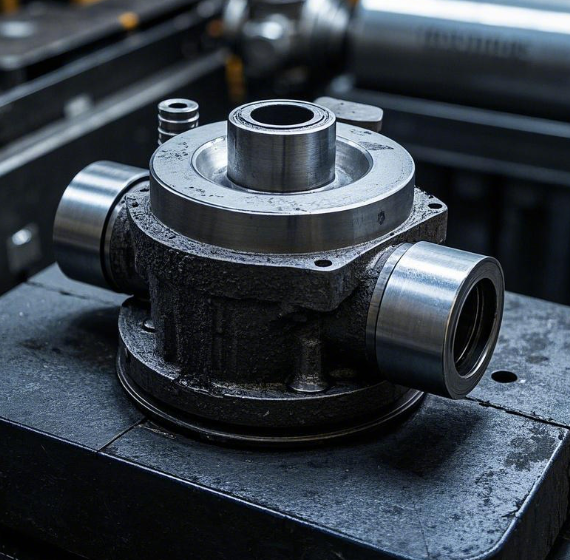
- Casting: Pour liquid metal into a casting mold cavity and solidify it. There are sand casting (low - cost, suitable for complex - shaped and high - volume parts) and investment casting (high - precision, used for precision parts), etc.
- Forging: Apply pressure to the blank to make it plastically deformed. It is divided into free forging (high flexibility, for single - piece and small - batch production) and die forging (used for mass - producing complex and high - precision parts).
- Machining: Use machine tools for cutting. Common methods include turning (for machining rotating parts), milling (for machining planes, grooves, etc.), drilling (for making holes), and grinding (for precision finishing of parts).
III. Application Fields
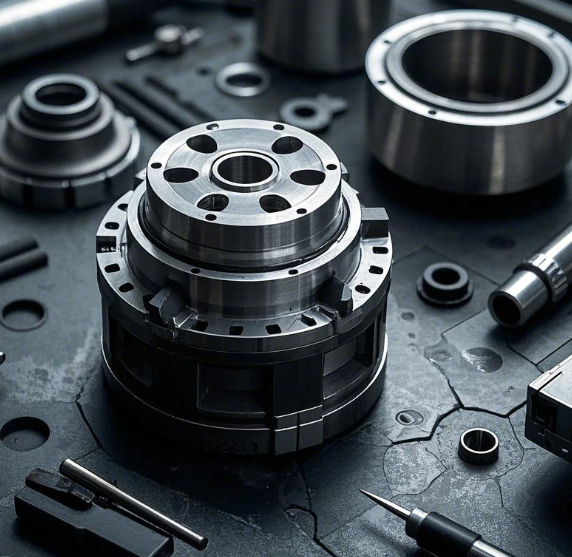
- Automotive Industry: A large number of metal parts are used in components such as engines and chassis, such as pistons, connecting rods, and suspension system parts, affecting the performance and safety of vehicles.
- Aerospace: Metal parts like engine blades, casings, airframe frames, and landing gears work in extreme environments, with extremely high requirements for performance and precision.
- Electronic Devices: Used for heat dissipation and electromagnetic interference shielding. For example, the metal shell of a mobile phone dissipates heat, and the aluminum alloy radiator of a computer conducts heat.
IV. Development Trends
They are moving towards high - performance, lightweight, and precision. New materials are emerging continuously, and advanced technologies such as additive manufacturing are promoting manufacturing changes. Digital technologies are improving design and production efficiency.
Machined Parts: The Key Support for Operations in Multiple Fields
Compare the advantages and disadvantages of ABS and nylon in making gear-like functional prototypes
Related Article

This article analyzes the prospects of the custom parts industry from three aspects: market demand, technological innovation, and challenges and opportunities, with specific cases to illustrate its development trends.
Analysis of the Prospects of the Custom Parts Industry
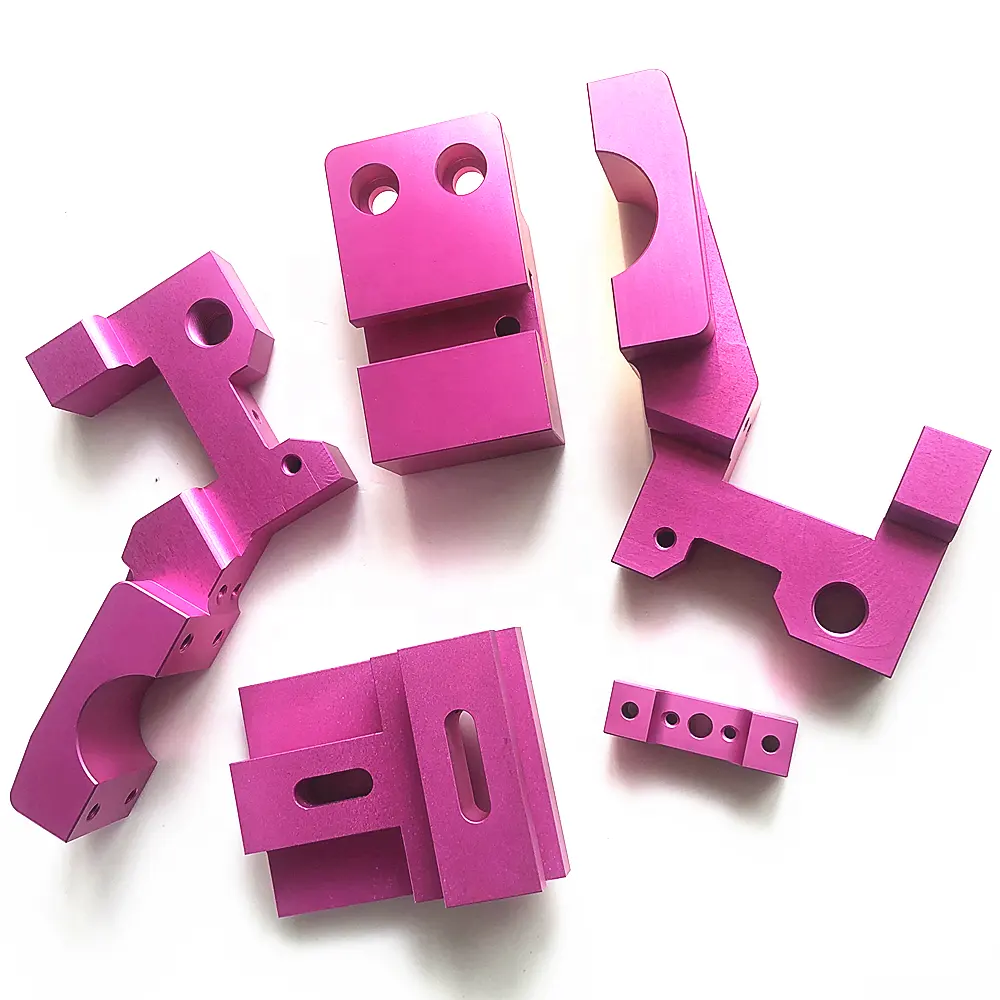
This article details CNC precision technology, covering its definition, applications in aerospace and electronics, advantages like high precision and automation, and its promising future in the manufacturing industry.
CNC Precision Technology: The Core Code of Modern Manufacturing and Its Infinite Potential
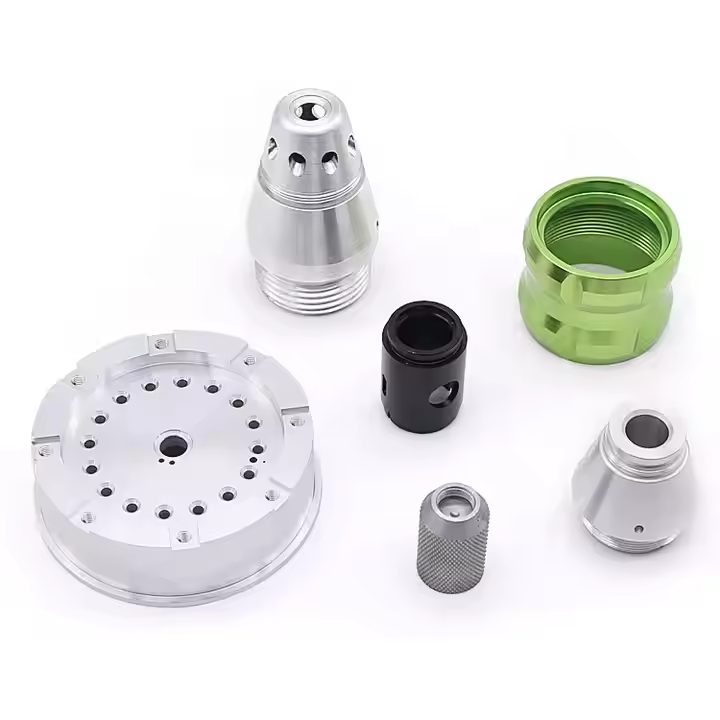
This part focuses on the shipbuilding industry, presenting a case of CNC technology application in the processing of large - scale ship propellers. It showcases how CNC technology addresses challenges in this field, improving processing efficiency and product quality, thus highlighting its significance in ship manufacturing.
CNC Technology Application Cases (Part 2)
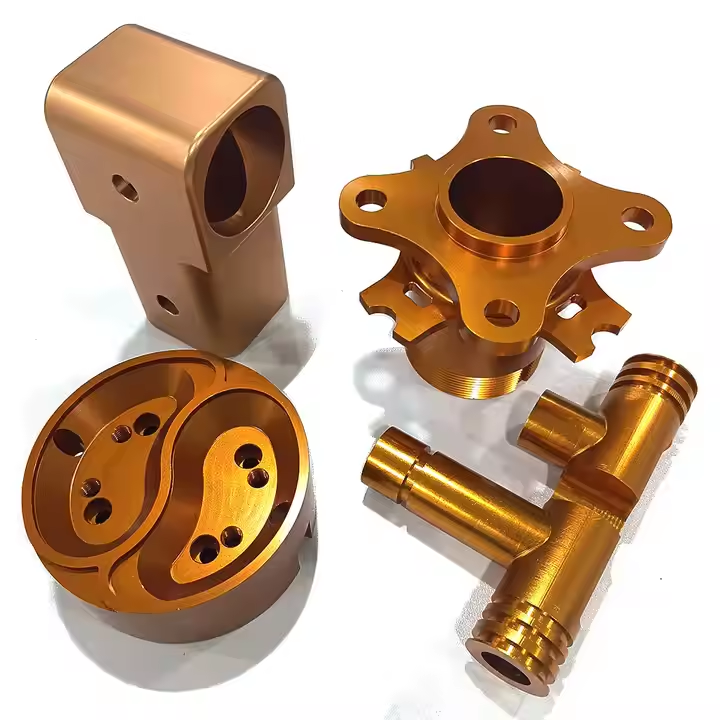
This article focuses on the medical device manufacturing and 3C product manufacturing fields. Through specific cases, it elaborates on the remarkable achievements of CNC technology in manufacturing complex and precise components and improving product quality, demonstrating its crucial role in related industries.
CNC Technology Application Cases (Part 1)