
Introduction to Foam Plastics
author: DJ-03
2025-01-07
Foam Plastics
1. Definition and Composition
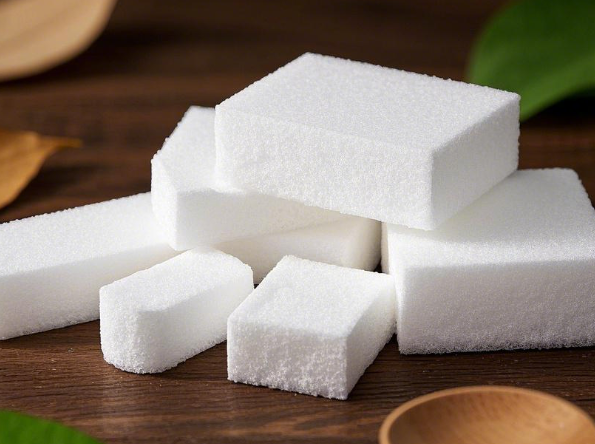
Foam plastics are plastics with countless tiny pores inside. They are composed of a plastic matrix (such as polystyrene, polyurethane, etc.) and foaming agents. During the plastic processing, the foaming agents generate gas, which forms the pore structure within the plastic.
2. Classification
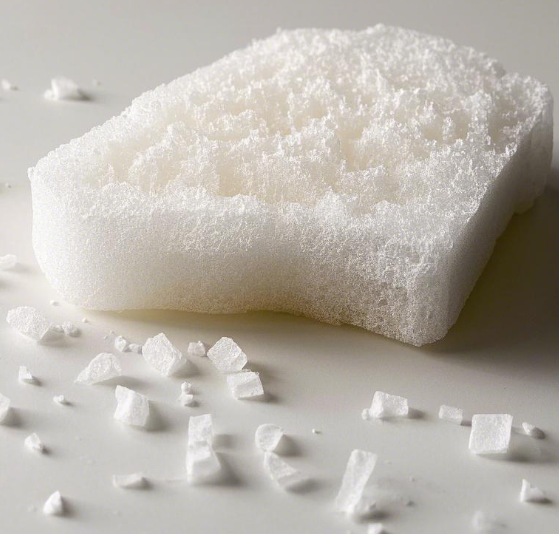
- According to Pore Structure
- Open-cell Foam Plastics: The internal pores are interconnected, allowing gas to flow freely within them. This type of foam plastic has good sound absorption and air permeability. For example, it is used to make sound-absorbing panels, which can effectively absorb and diffuse sound.
- Closed-cell Foam Plastics: The pores are independent and not connected to each other. It has low water absorption and good heat insulation and floating properties. For instance, it is commonly used to make lifebuoys and insulated boxes.
- According to Raw Materials
- Polystyrene Foam Plastic (EPS): This is a common type of foam plastic with properties such as being lightweight, having good heat insulation, sound insulation, and shock absorption. It is relatively inexpensive and is widely used in the packaging industry, such as for packaging electronic products and fragile items. It is also used in building insulation and other fields.
- Polyurethane Foam Plastic (PU): It can be divided into soft and hard types. Soft polyurethane foam plastic has good elasticity and is soft and comfortable, and is often used to make furniture like sofas and mattresses. Hard polyurethane foam plastic is mainly used in fields such as heat preservation and refrigeration. Its excellent heat insulation performance makes it an ideal material for the insulation layers of refrigerators and cold storages.
- Polyvinyl Chloride Foam Plastic (PVC): It has good flame retardancy and strong chemical stability. It is widely used in building decoration, automotive interiors, and other aspects. For example, it is used to make the cushions of car seats.
3. Performance Characteristics
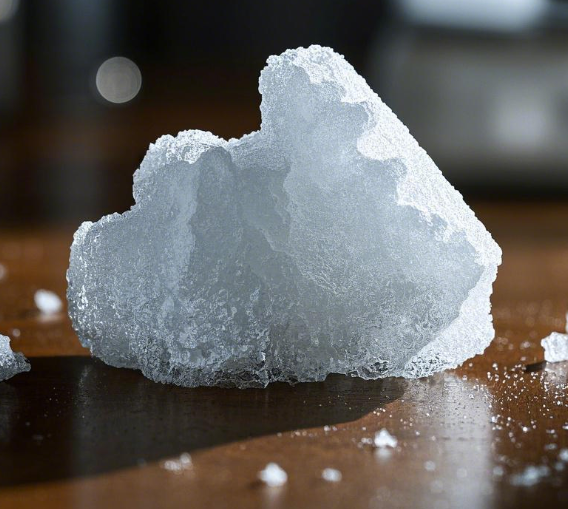
- Lightweight: Due to the large number of pores inside, foam plastics have a very low density and are lightweight. This makes them convenient for transportation and installation. For example, in building insulation projects, they will not cause too much additional load on the building structure.
- Heat Insulation: The thermal conductivity of gas is much lower than that of solid plastics, so foam plastics have good heat insulation properties. They can effectively block the transfer of heat. When used for the external wall insulation of buildings, they can significantly reduce indoor energy consumption.
- Cushioning Performance: Foam plastics can absorb and disperse impact forces, playing a cushioning role. In the packaging industry, they can protect products from being damaged during transportation and handling.
- Sound Absorption Performance: Open-cell foam plastics can effectively absorb and weaken the propagation of sound, and are used to make sound-absorbing materials for recording studios, conference rooms, and other places.
4. Production Processes
- Physical Foaming Method: Gas is generated through physical processes to create foam. For example, compressed gases (such as carbon dioxide, nitrogen, etc.) are used to foam based on their solubility changes in the plastic melt with pressure changes. The foam plastics produced by this method have relatively stable properties and are environmentally friendly because no chemical foaming agents are used.
- Chemical Foaming Method: Chemical foaming agents are added to plastics, and during the processing, the foaming agents decompose to generate gas and cause foaming. This method can precisely control the foaming process and the properties of the foam plastics, but chemical foaming agents may have a certain impact on the environment.
5. Application Fields
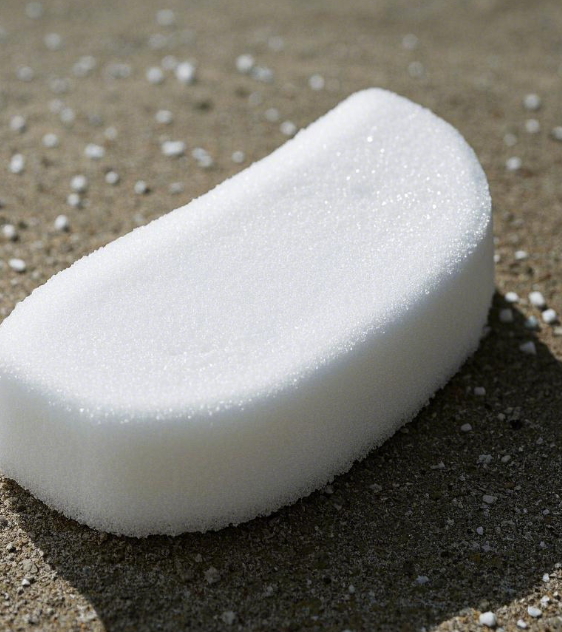
- Packaging Industry: As cushioning materials, they protect products from being damaged during transportation, such as for packaging various electronic products, precision instruments, glass products, etc.
- Building Industry: They are used for external wall insulation and roof insulation, which can effectively improve the building's heat insulation performance and reduce energy consumption. They can also be used to make soundproof boards to improve the indoor acoustic environment.
- Transportation Industry: In transportation vehicles such as cars, trains, and airplanes, they are used for filling seats and interiors, providing a comfortable riding experience while also playing roles in sound insulation and shock absorption.
- Household Goods: They are used to make furniture and household items such as mattresses, sofas, and pillows, providing a soft and comfortable texture.
Polyamide: An Outstanding Engineering Plastic
All about Plastic Parts
Related Article

This article analyzes the prospects of the custom parts industry from three aspects: market demand, technological innovation, and challenges and opportunities, with specific cases to illustrate its development trends.
Analysis of the Prospects of the Custom Parts Industry

This article details CNC precision technology, covering its definition, applications in aerospace and electronics, advantages like high precision and automation, and its promising future in the manufacturing industry.
CNC Precision Technology: The Core Code of Modern Manufacturing and Its Infinite Potential
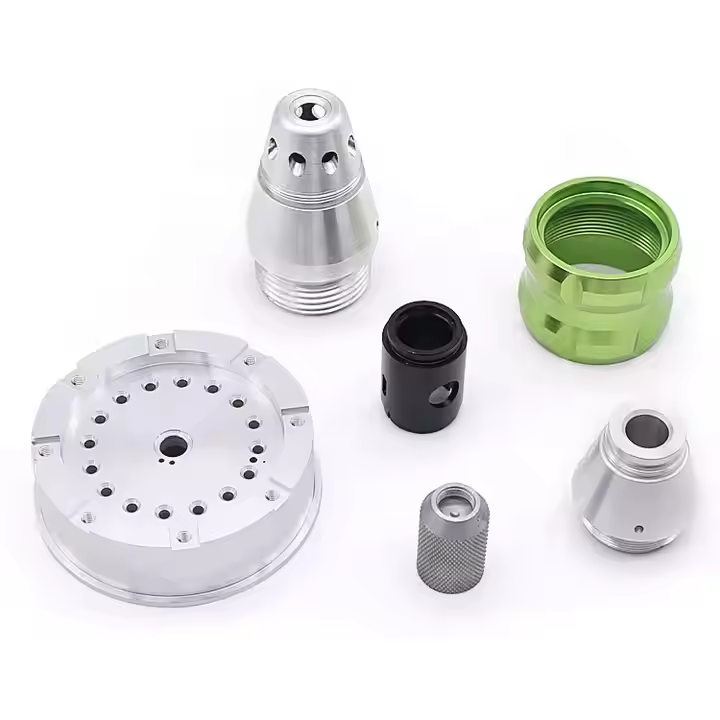
This part focuses on the shipbuilding industry, presenting a case of CNC technology application in the processing of large - scale ship propellers. It showcases how CNC technology addresses challenges in this field, improving processing efficiency and product quality, thus highlighting its significance in ship manufacturing.
CNC Technology Application Cases (Part 2)
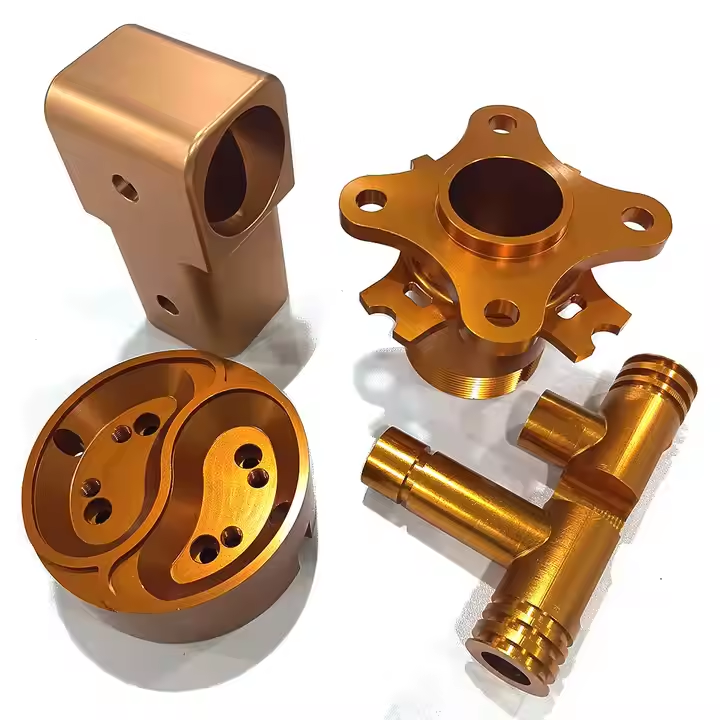
This article focuses on the medical device manufacturing and 3C product manufacturing fields. Through specific cases, it elaborates on the remarkable achievements of CNC technology in manufacturing complex and precise components and improving product quality, demonstrating its crucial role in related industries.
CNC Technology Application Cases (Part 1)