
Precision Prototype Parts: Micro Miracles Carved with Ingenuity
author: DJ-03
2025-01-06
Precision Prototype Parts: Micro Miracles Carved with Ingenuity
In the vast universe of modern manufacturing, precision prototype parts are like shining stars. Although they are small in size, they possess tremendous power and carry the crucial mission of bridging the gap from design blueprints to mass production.
I. Definition and Importance of Precision Prototype Parts
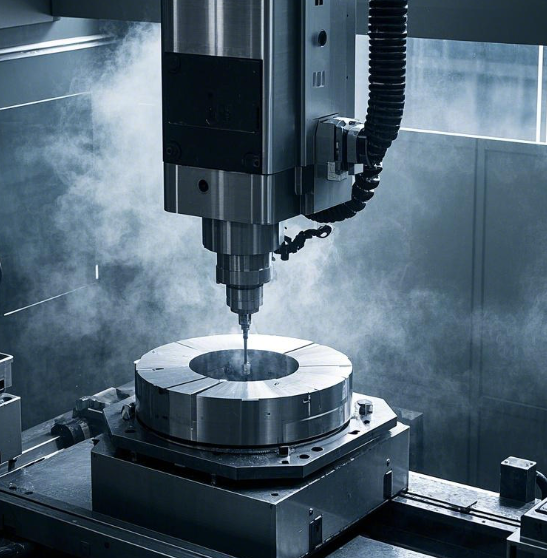
Precision prototype parts, as physical models in the early stage of product development, are the crystallization of designers' creativity and engineers' skills. With precise dimensions and nearly perfect details, they provide an intuitive and reliable reference for subsequent mold manufacturing and mass production. In the field of electronic products, for example, during the research and development of a new type of smart phone, the prototype parts of the intricate internal circuit boards, precise buttons, and outer casings allow the design team to verify the structural rationality and assembly convenience in advance, and promptly identify and correct potential problems, thus avoiding the high rework costs during large-scale production.
II. Exquisite Dance of Manufacturing Processes
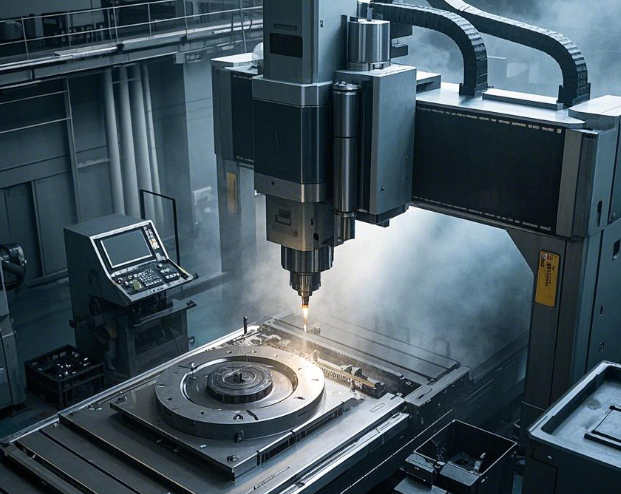
1. CNC Machining
It plays a pivotal role in the production of precision prototype parts. With the help of advanced CNC equipment, based on the data of three-dimensional models, cutting tools move precisely on the small raw parts. Taking the prototype of micro connectors in the aerospace field as an example, CNC machining can ensure that the aperture accuracy is controlled at the micron level, and parameters such as the pitch and thread angle of threads are exactly in line with the design, meeting the stringent requirements of high strength and high reliability.
2. 3D Printing
This emerging additive manufacturing technology has opened up a new path for prototype production. For prototype parts with complex internal structures, such as those of bionic medical devices, 3D printing can build up materials layer by layer, perfectly presenting fine blood vessel channels and honeycomb-like support structures, breaking through the limitations of traditional processing technologies and greatly shortening the research and development cycle.
3. Electrical Discharge Machining (EDM)
When dealing with prototype parts made of high-hardness and difficult-to-cut metal materials, such as those of cemented carbide molds, electrical discharge machining utilizes the principle of electrical discharge erosion between electrodes and workpieces to carve out fine cavities and grooves at the micro level, ensuring that the surface roughness reaches a mirror level and meeting the extreme requirements for precision and surface quality in high-end molds.
III. Wise Trade-offs in Material Selection
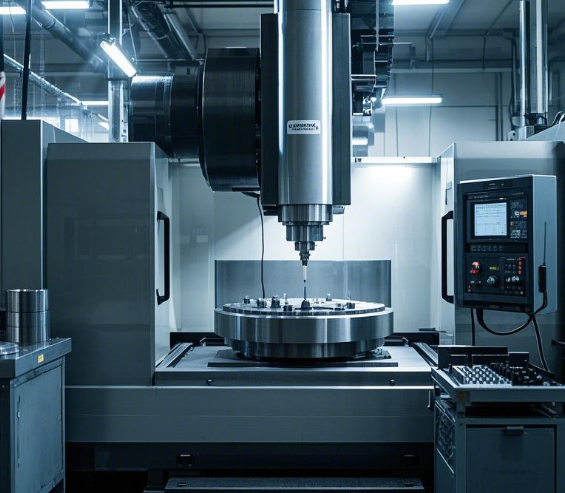
1. Engineering Plastics
Thanks to their characteristics of being lightweight, insulating, and easy to form, they are widely used in the production of prototype parts in the fields of consumer electronics and home appliances. For instance, the commonly used ABS plastic, when used to make the prototype of a TV remote control, can not only accurately present the appearance design but also possess good wear resistance and impact resistance, with high cost-effectiveness.
2. Composite Materials
Composed of two or more materials, they combine multiple excellent properties. For example, carbon fiber-reinforced composite materials, used in the prototypes of high-end sports equipment, possess both the high strength and high modulus of carbon fiber and have improved processing properties with the help of the matrix material, making the prototypes both lightweight and as solid as a rock.
IV. Rigorous Quality Inspection
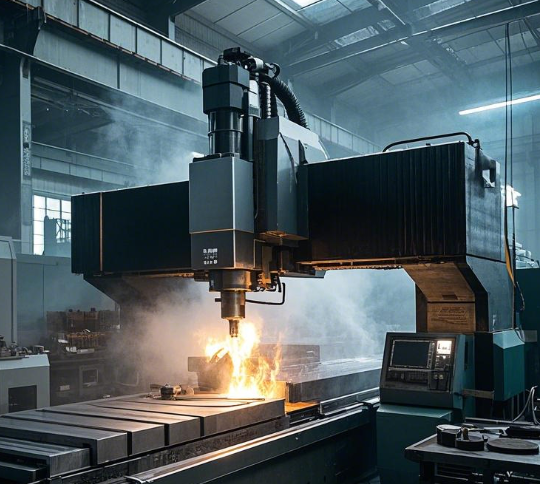
1. Coordinate Measuring Machines (CMM)
As a powerful tool for precision measurement, it can measure the three-dimensional spatial dimensions of prototype parts with high precision. In the inspection of the prototypes of precision mechanical watches, it can accurately detect the dimensional deviations of tiny components such as gears and escapement mechanisms, and provide feedback data in microns to ensure assembly accuracy and the accurate running of the watch.
2. Microscope Observation
For prototype parts with extremely high requirements for surface quality, such as those of optical lenses, microscopes can magnify them dozens or even hundreds of times, making tiny scratches and pits visible, thus ensuring that the optical properties are not affected.
3. Functional Testing
By simulating the actual usage environment, the performance of prototype parts is tested. Taking the prototype of an electric vehicle's battery pack as an example, through charge-discharge cycle tests, high-temperature and high-humidity environment tests, etc., its endurance and safety are verified to ensure that the final product meets the needs of users.
The production of precision prototype parts is a journey of craftsmanship that integrates processes, materials, and inspections. Every link is filled with the wisdom and hard work of manufacturers, and they are like cornerstones, paving the way for modern manufacturing to continuously innovate and reach new heights.
Tempering
The Road to Precision: Exploring the Mysteries of CNC Turning Parts Processing
Related Article

This article analyzes the prospects of the custom parts industry from three aspects: market demand, technological innovation, and challenges and opportunities, with specific cases to illustrate its development trends.
Analysis of the Prospects of the Custom Parts Industry
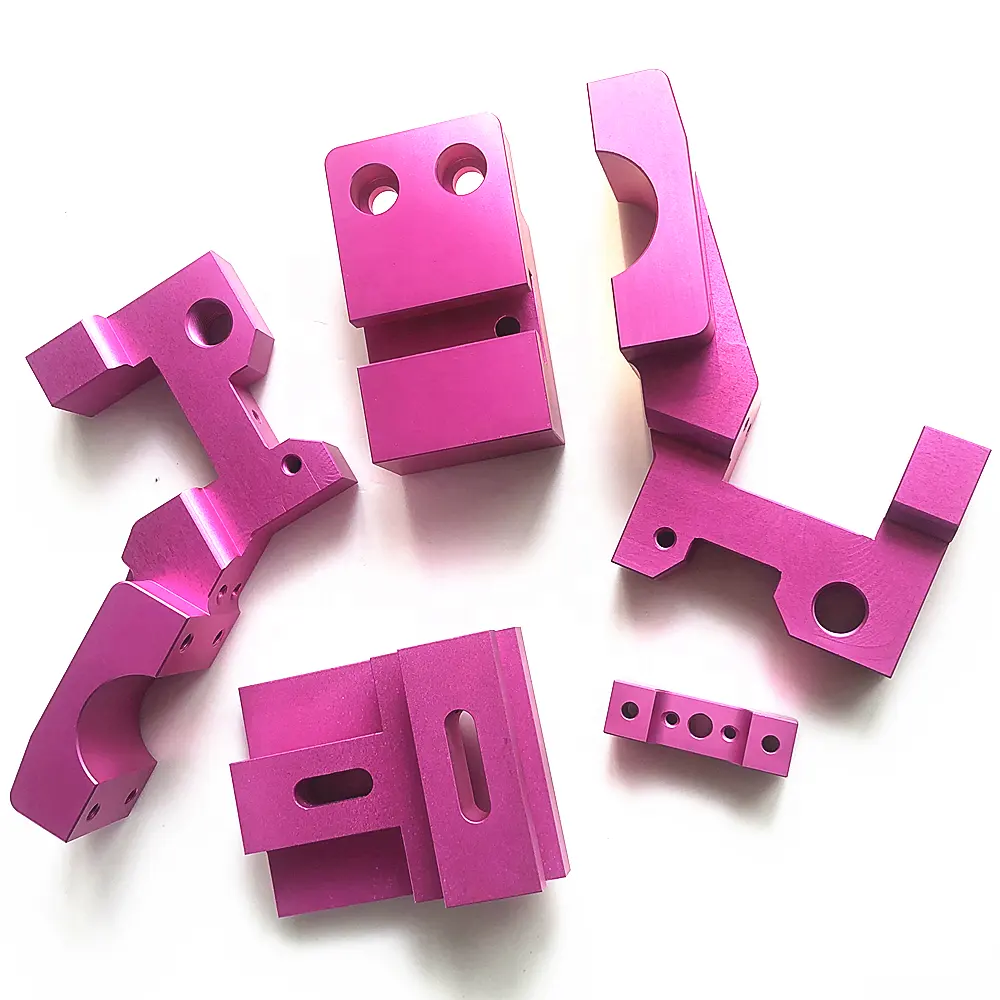
This article details CNC precision technology, covering its definition, applications in aerospace and electronics, advantages like high precision and automation, and its promising future in the manufacturing industry.
CNC Precision Technology: The Core Code of Modern Manufacturing and Its Infinite Potential
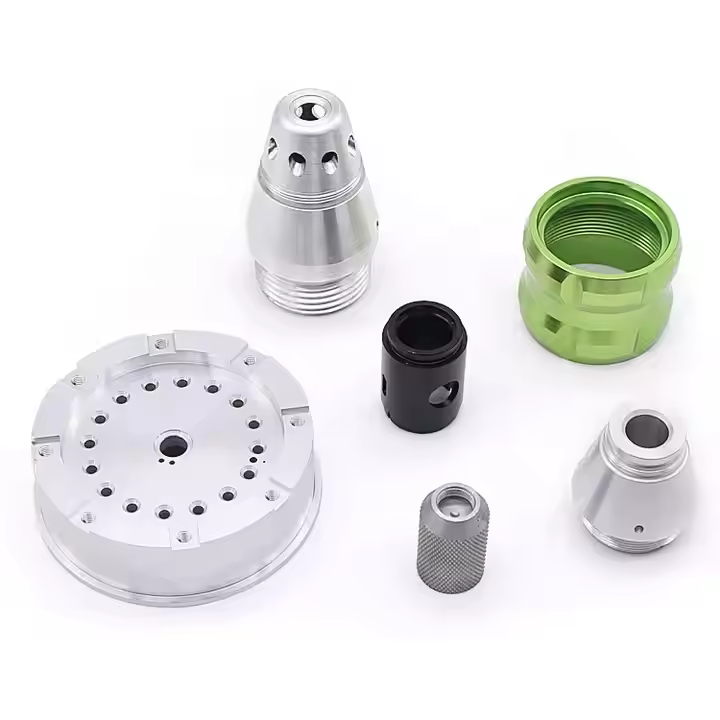
This part focuses on the shipbuilding industry, presenting a case of CNC technology application in the processing of large - scale ship propellers. It showcases how CNC technology addresses challenges in this field, improving processing efficiency and product quality, thus highlighting its significance in ship manufacturing.
CNC Technology Application Cases (Part 2)
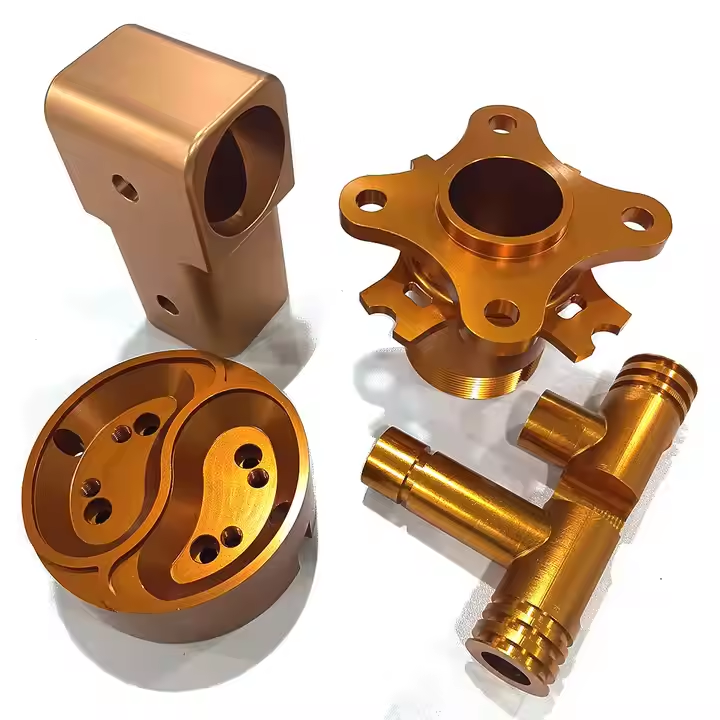
This article focuses on the medical device manufacturing and 3C product manufacturing fields. Through specific cases, it elaborates on the remarkable achievements of CNC technology in manufacturing complex and precise components and improving product quality, demonstrating its crucial role in related industries.
CNC Technology Application Cases (Part 1)