
Introduction to PEEK Material
author: DJ-03
2024-11-27
Introduction to PEEK Material
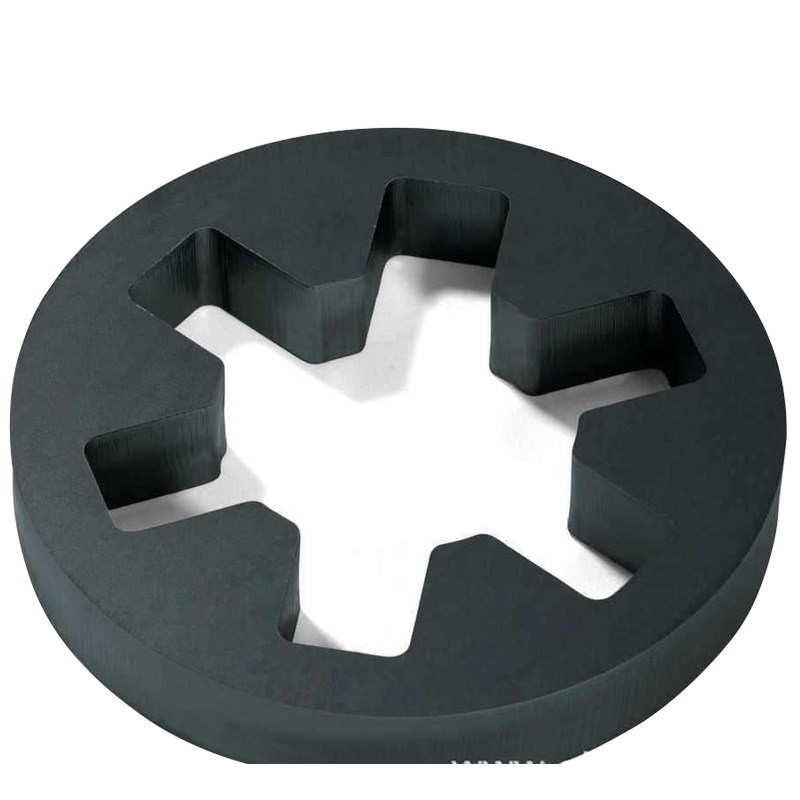
PEEK material, namely polyetheretherketone, is a special engineering plastic with excellent comprehensive properties.
-
Outstanding Mechanical Properties:
-
It has high strength, high modulus, and high fracture toughness. It is highly rigid, with its strength comparable to that of alloy materials. It can maintain good mechanical properties even at high temperatures. The heat deflection temperature under load is as high as 316°C, capable of withstanding high loads and deflections. It is suitable for manufacturing automobile gears, bearings, and aircraft engine components.
-
Excellent High-Temperature Resistance:
-
It is a high-temperature thermoplastic. The glass transition temperature is 143°C, and the melting point is 334°C. It can be used for a long time at 250°C. Its upper limit of the service temperature is nearly 50°C higher than other high-temperature plastics like PI, PPS, PTFE, and PPO.
-
Strong Chemical Corrosion Resistance:
-
Among common chemicals, only concentrated sulfuric acid can dissolve or damage it. Its corrosion resistance is similar to that of nickel steel. It can be used to manufacture chemical processing equipment, petrochemical pipelines, and medical devices.
-
Good Tribological Characteristics:
-
It has prominent tribological properties, excellent resistance to sliding wear and fretting wear, and can maintain high wear resistance and a low friction coefficient at 250°C. It is suitable for manufacturing sleeve bearings, sliding bearings, valve seats, sealing rings, and pump wear rings.
-
Excellent Dimensional Stability:
-
The coefficient of linear expansion is small, very close to that of aluminum metal. It can maintain stable dimensional accuracy under different temperature and humidity conditions without being prone to deformation.
-
Superior Insulating Properties:
-
It is an excellent insulating material with good electrical insulating characteristics and high voltage resistance. It is widely used in insulating materials, cable protection sleeves, and electronic components in the electronics, electrical, and power industries.
-
Good Machining Properties:
-
It is easy to be extruded and injection molded with relatively high molding efficiency. However, due to its high melting point and thermal stability, higher temperatures and pressures are required during the machining process. Also, its cutting performance is poor, and it is prone to tool wear and larger surface roughness during machining.
-
Good Biocompatibility:
-
It has excellent biocompatibility and is widely used in the medical field. It can be used to manufacture medical implants, dental instruments, surgical instruments, and components of medical devices, such as bone screws, dental bridges, surgical blades, and filling materials.
-
Outstanding Flame Retardant Properties:
-
It has inherent low flammability, releases less smoke and toxic gases under flame conditions, and also has strong anti-radiation ability.
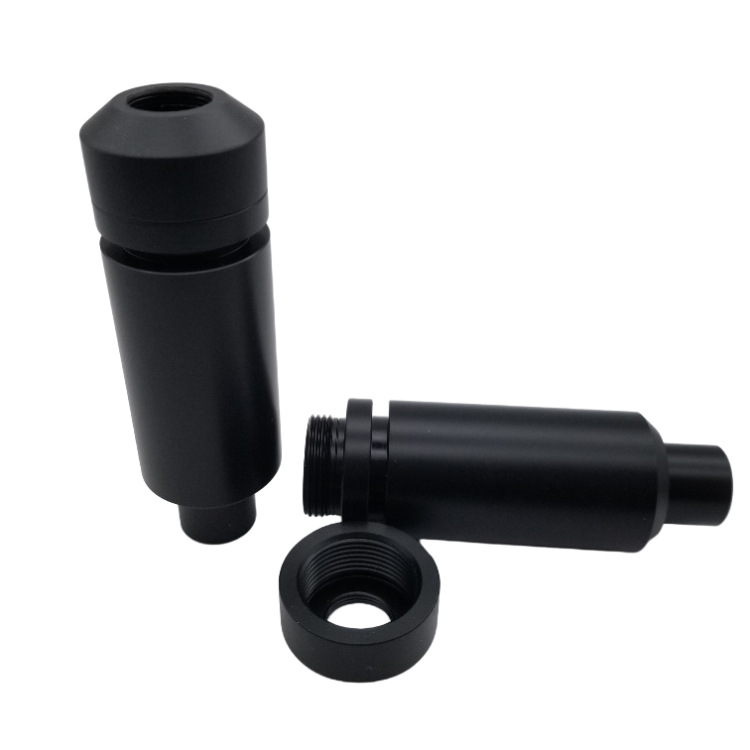
The application fields of PEEK material are extremely extensive, covering aerospace, automobile industry, electrical and electronics, medical, chemical and petroleum, sports equipment, and mechanical equipment industries.
A Comprehensive Analysis of Four-axis and Five-axis Machinery: Characteristics, Differences and Application Fields
Five-axis linkage technology stands out in various industries and applications
Related Article

This article analyzes the prospects of the custom parts industry from three aspects: market demand, technological innovation, and challenges and opportunities, with specific cases to illustrate its development trends.
Analysis of the Prospects of the Custom Parts Industry
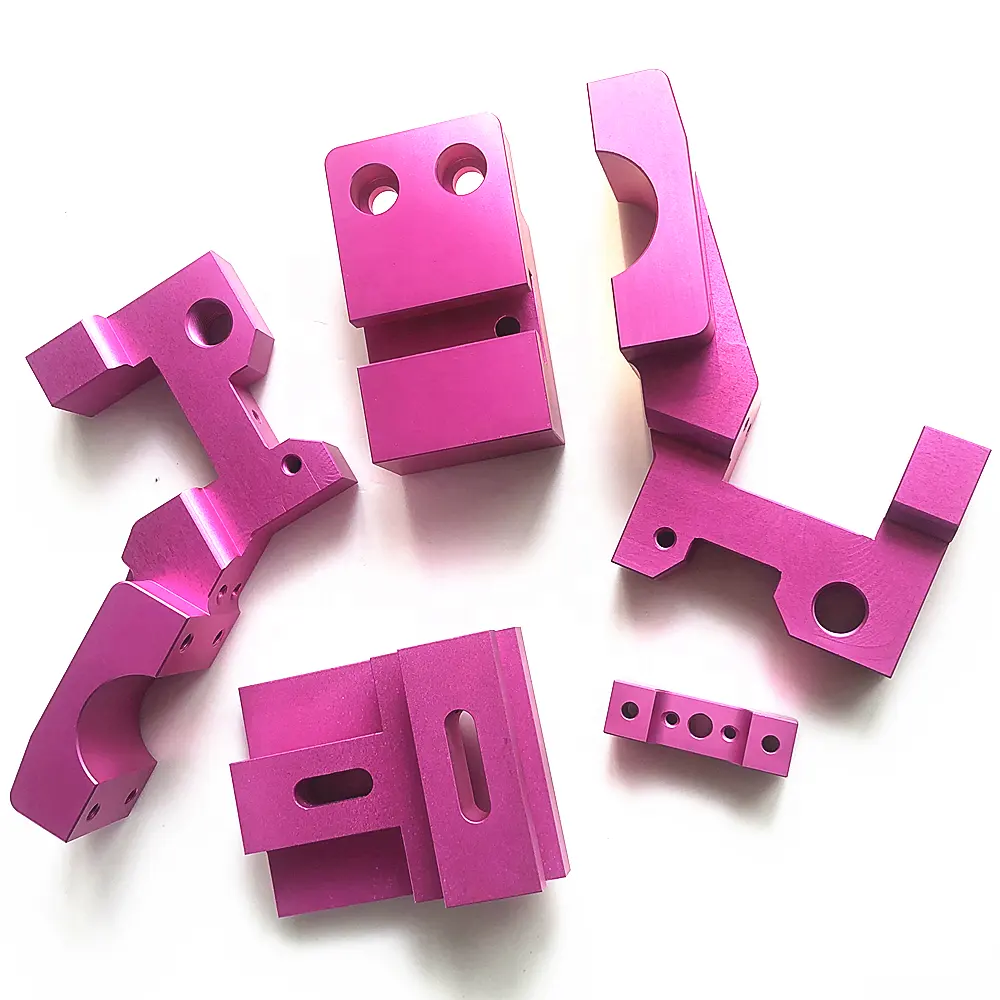
This article details CNC precision technology, covering its definition, applications in aerospace and electronics, advantages like high precision and automation, and its promising future in the manufacturing industry.
CNC Precision Technology: The Core Code of Modern Manufacturing and Its Infinite Potential
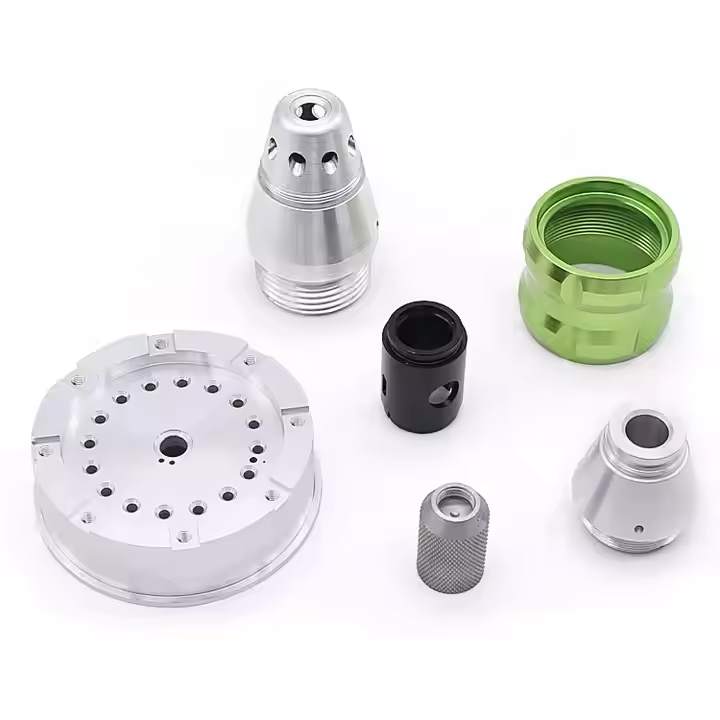
This part focuses on the shipbuilding industry, presenting a case of CNC technology application in the processing of large - scale ship propellers. It showcases how CNC technology addresses challenges in this field, improving processing efficiency and product quality, thus highlighting its significance in ship manufacturing.
CNC Technology Application Cases (Part 2)
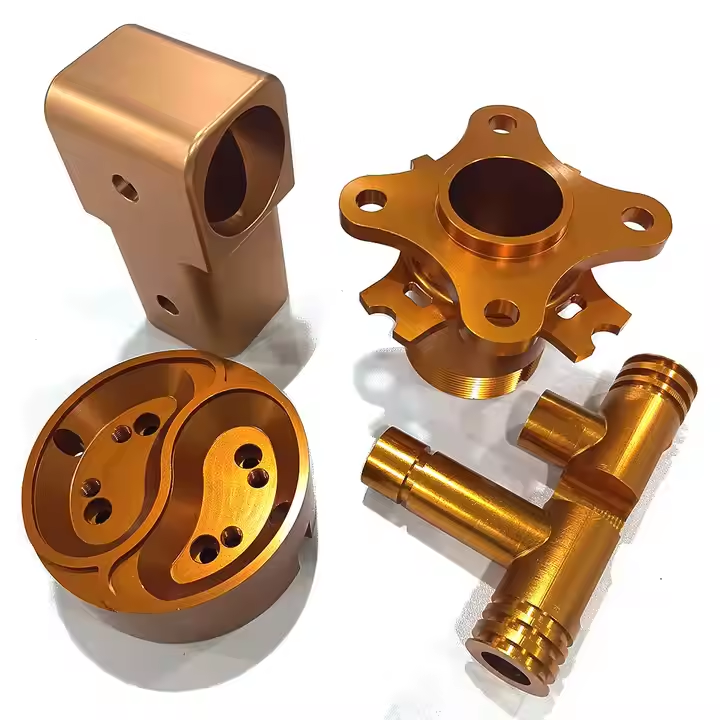
This article focuses on the medical device manufacturing and 3C product manufacturing fields. Through specific cases, it elaborates on the remarkable achievements of CNC technology in manufacturing complex and precise components and improving product quality, demonstrating its crucial role in related industries.
CNC Technology Application Cases (Part 1)