
Some examples of materials unsuitable for CNC machining
author: DJ-04
2025-01-16
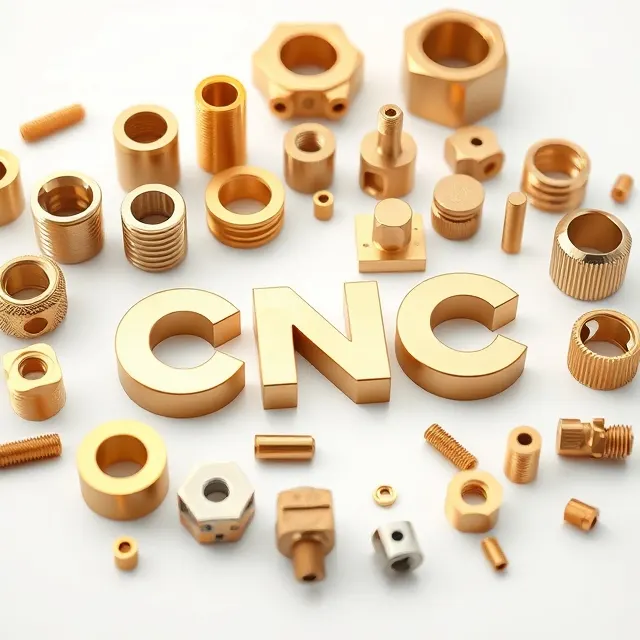
Some examples of materials unsuitable for CNC machining
While CNC machining is a versatile manufacturing process, there are certain materials that can present challenges or be unsuitable for traditional CNC machining due to factors such as tool wear, chip control, and surface finish. Examples of materials that are difficult to machine with traditional CNC methods include:
Fiberglass: Fiberglass is abrasive and can cause premature tool wear. The fibers in the material can also result in poor surface finish and chip control issues.
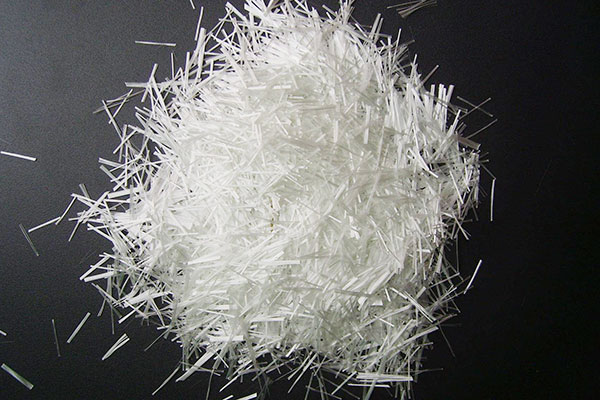
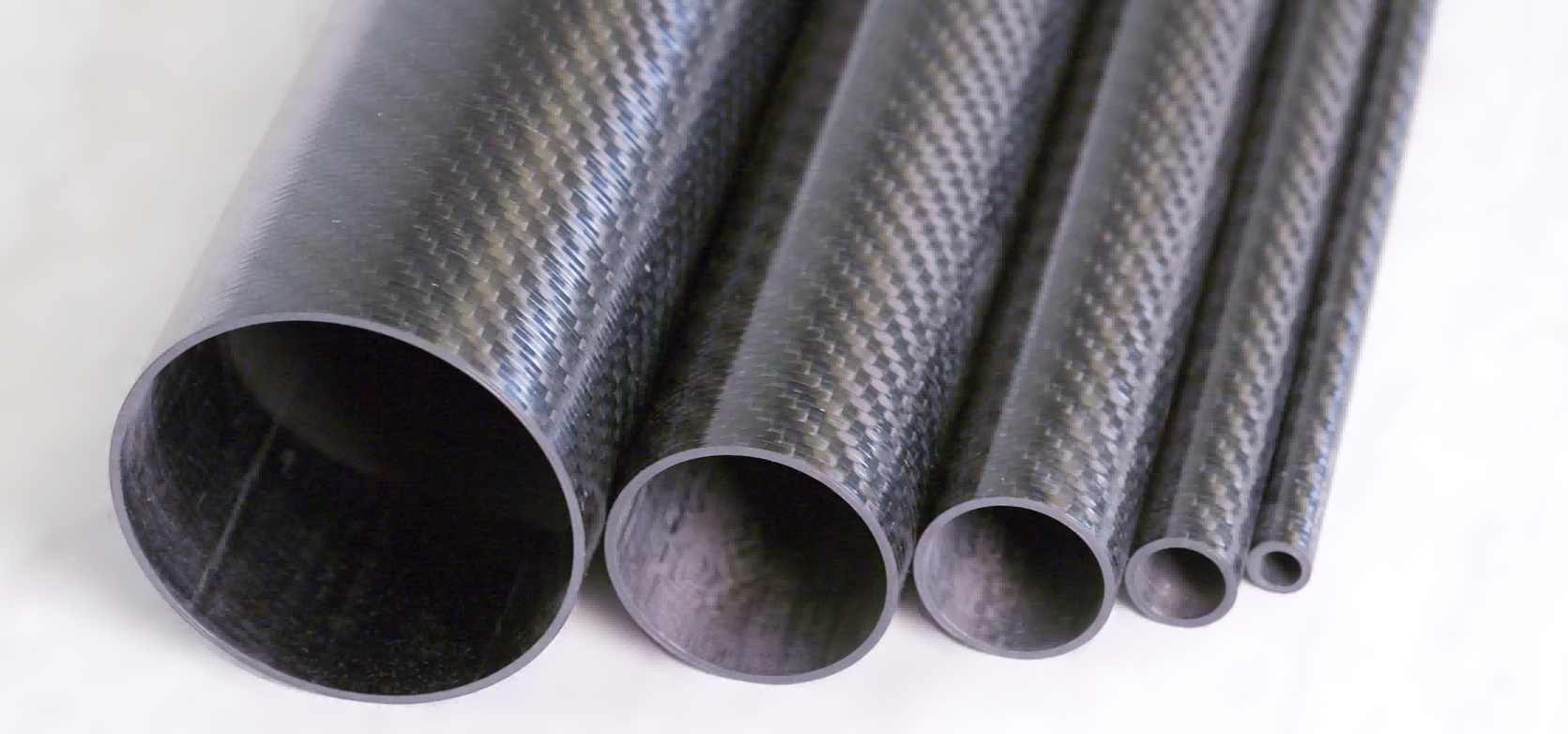
Carbon Fiber: Like fiberglass, carbon fiber is also abrasive and can cause excessive tool wear. It can also generate harmful dust particles during machining.
Titanium: Titanium is a tough, heat-resistant material that is difficult to machine due to its poor thermal conductivity. It can cause tool wear and requires specialized tooling and cutting parameters.
High Temperature Alloys: Materials such as Inconel, Hastelloy, and other high temperature alloys are difficult to machine because they are hard and heat-resistant. They cause tool wear and require specialized cutting techniques.
Hardened Steels: Hardened steels are difficult to machine with standard cutting tools due to their hardness. Machining hardened steel requires specialized tools and techniques.
Reinforced Plastics: Plastics reinforced with materials such as fiberglass or carbon fiber can be abrasive and cause rapid tool wear. They can also produce poor surface finishes.
Ceramics: Ceramics are very hard, brittle materials that can be difficult to machine without specialized tools and techniques. They are prone to cracking and must be handled with care.
Superalloys: Superalloys such as Inconel, Monel, and Waspaloy are heat-resistant and strong materials, but due to their characteristics, they can be difficult to machine. Special tools and cutting parameters are required.
These materials can pose challenges for traditional CNC machining, but by employing advanced machining techniques, specialized tools, and cutting strategies, it is often possible to overcome these difficulties and effectively machine these materials.
What is the difference between 3D printing, casting and machining?
Aluminum Castings: Pioneers of Environmental Protection Unlocking the New Code of Green Manufacturing
Related Article

This article analyzes the prospects of the custom parts industry from three aspects: market demand, technological innovation, and challenges and opportunities, with specific cases to illustrate its development trends.
Analysis of the Prospects of the Custom Parts Industry
This article details CNC precision technology, covering its definition, applications in aerospace and electronics, advantages like high precision and automation, and its promising future in the manufacturing industry.
CNC Precision Technology: The Core Code of Modern Manufacturing and Its Infinite Potential

This part focuses on the shipbuilding industry, presenting a case of CNC technology application in the processing of large - scale ship propellers. It showcases how CNC technology addresses challenges in this field, improving processing efficiency and product quality, thus highlighting its significance in ship manufacturing.
CNC Technology Application Cases (Part 2)
This article focuses on the medical device manufacturing and 3C product manufacturing fields. Through specific cases, it elaborates on the remarkable achievements of CNC technology in manufacturing complex and precise components and improving product quality, demonstrating its crucial role in related industries.
CNC Technology Application Cases (Part 1)