Home /News /company news /The Intelligent Revolution in the Design Phase of Custom Parts Manufacturing /
The Intelligent Revolution in the Design Phase of Custom Parts Manufacturing
author: DJ-03
2025-02-06
The Intelligent Revolution in the Design Phase of Custom Parts Manufacturing
In the process of custom parts manufacturing evolving towards intelligentization, the intelligent revolution in the design phase serves as a crucial starting point. It plays a vital role in enhancing product quality and shortening the research and development cycle. This revolution is mainly reflected in the following two key aspects:
-
Artificial Intelligence - assisted Design
- Automatic Generation of Initial Schemes
Traditionally, the design of custom parts relied heavily on engineers' personal experience and manual operations, which was not only inefficient but also prone to errors. Nowadays, with the help of artificial intelligence algorithms, an initial design scheme can be automatically generated simply by inputting key parameters such as the functional requirements and performance indicators of the parts.
- Provision of Optimization Suggestions
These artificial intelligence algorithms, through in - depth learning from a large number of successful design cases, can provide valuable optimization suggestions for engineers. For example, when designing custom parts for a high - performance engine, artificial intelligence can quickly provide a preliminary structural design of the parts based on factors such as the engine's power, torque requirements, and working environment. It can also offer multiple sets of solutions in terms of material selection and dimension optimization, helping engineers rapidly determine the best design direction and significantly shortening the design time.
- Automatic Generation of Initial Schemes
-
Achieving Interconnection and Intercommunication of Design Data
- Breaking Down Data Transfer Barriers
In the past, the transfer of design data between different departments and professionals often suffered from issues such as inconsistent formats and poor communication, resulting in information loss or misinterpretation, which in turn affected the design progress and quality.
- Building a Collaborative Design Platform
A unified digital design platform effectively addresses this problem. On this platform, professionals in mechanical design, electrical design, process design, and other fields can share and collaboratively edit design data in real - time. For instance, when a mechanical engineer adjusts the structure of a part, the electrical engineer can immediately obtain the change information and simultaneously adjust the related circuit layout to ensure the integrity and accuracy of the design. At the same time, the digital design platform can automatically save all versions of the design process, facilitating traceability and review, and greatly improving the efficiency of design collaboration.
- Breaking Down Data Transfer Barriers
The intelligent revolution in the design phase lays a solid foundation for the intelligentization of custom parts manufacturing. It not only significantly improves design efficiency and quality but also creates favorable conditions for the intelligent collaboration in subsequent production phases. With the continuous advancement of technology, the intelligentization of the design phase will develop towards greater precision and efficiency in the future, further promoting the transformation of the custom parts manufacturing industry.
CNC Technology: Concepts and Principles
The Intelligent Transformation of Custom Parts Manufacturing: Changes in the Production Process
Related Article
This article analyzes the prospects of the custom parts industry from three aspects: market demand, technological innovation, and challenges and opportunities, with specific cases to illustrate its development trends.
Analysis of the Prospects of the Custom Parts Industry
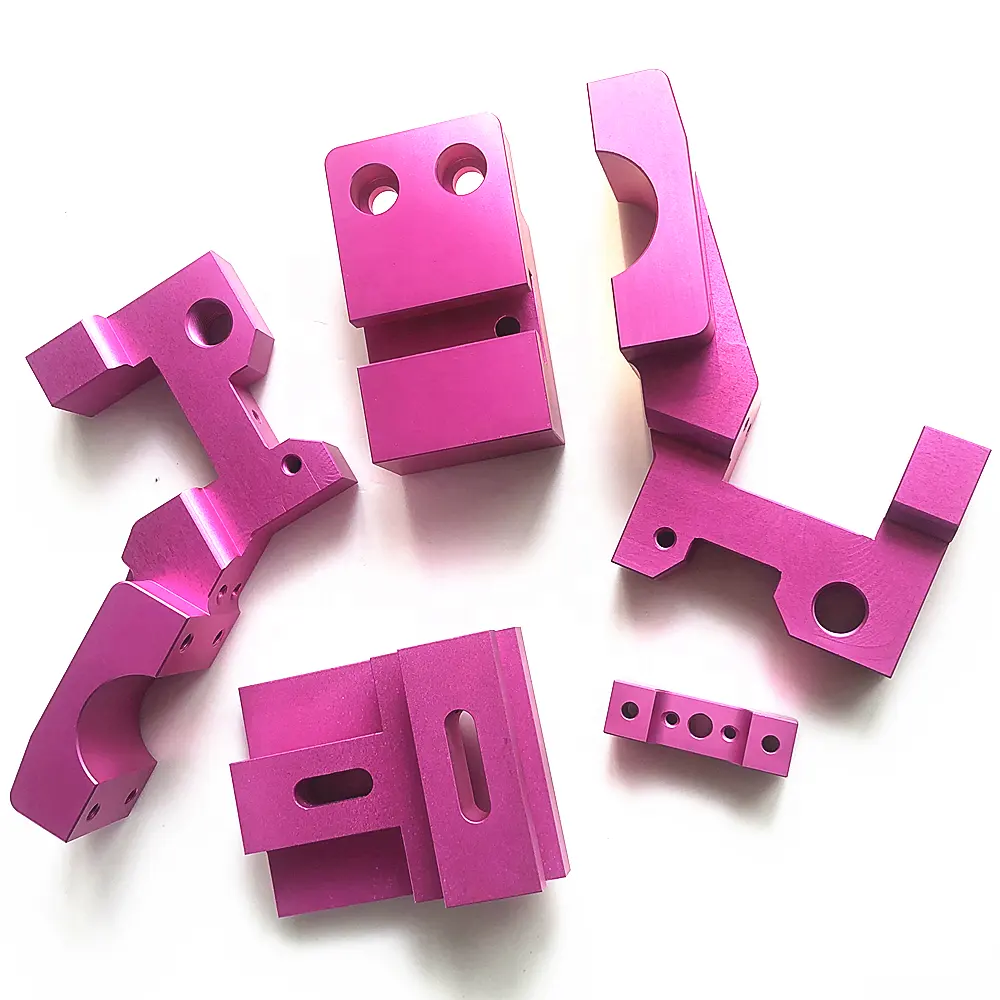
This article details CNC precision technology, covering its definition, applications in aerospace and electronics, advantages like high precision and automation, and its promising future in the manufacturing industry.
CNC Precision Technology: The Core Code of Modern Manufacturing and Its Infinite Potential
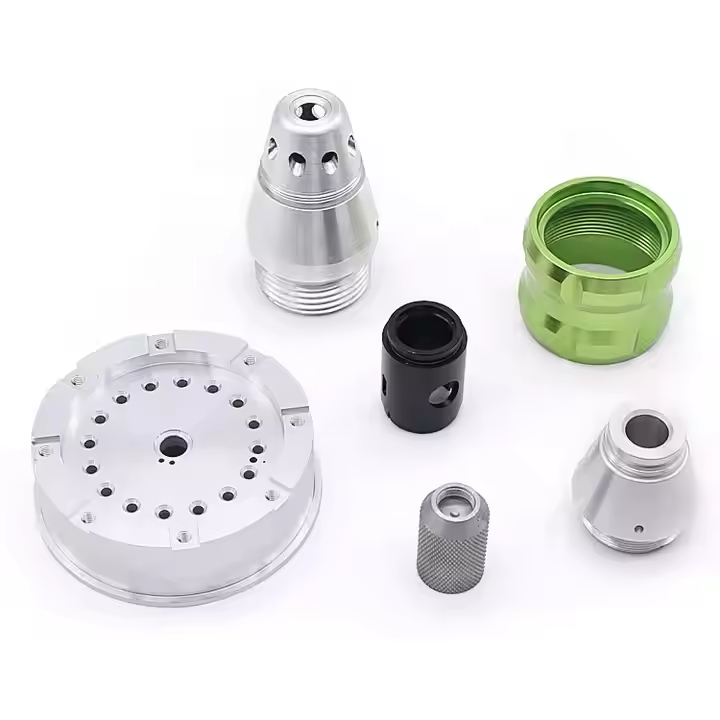
This part focuses on the shipbuilding industry, presenting a case of CNC technology application in the processing of large - scale ship propellers. It showcases how CNC technology addresses challenges in this field, improving processing efficiency and product quality, thus highlighting its significance in ship manufacturing.
CNC Technology Application Cases (Part 2)
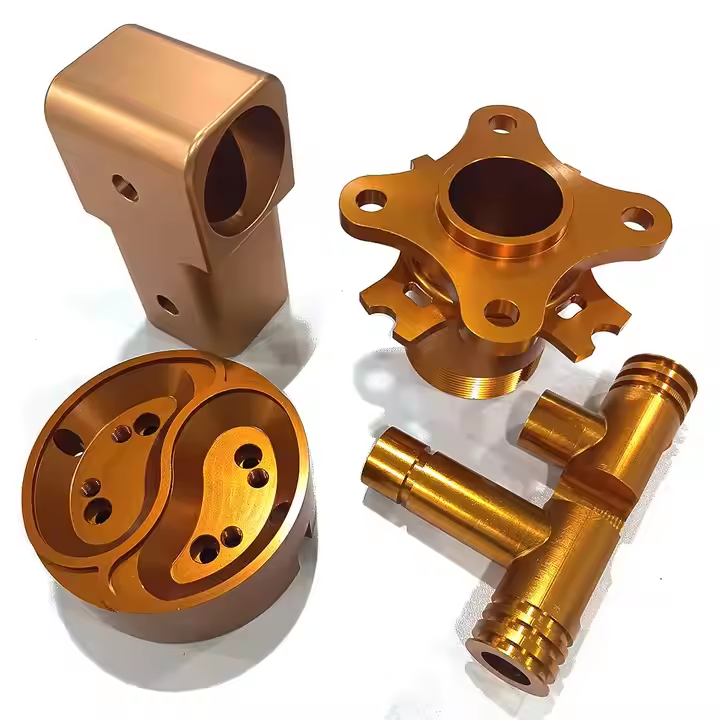
This article focuses on the medical device manufacturing and 3C product manufacturing fields. Through specific cases, it elaborates on the remarkable achievements of CNC technology in manufacturing complex and precise components and improving product quality, demonstrating its crucial role in related industries.
CNC Technology Application Cases (Part 1)