
An Introduction to Polyethylene: An Excellent General-purpose Plastic
author: DJ-03
2025-01-07
An Introduction to Polyethylene: An Excellent General-purpose Plastic
Abstract: This article comprehensively introduces polyethylene. Starting from its definition and synthesis methods, it elaborates in detail on its performance characteristics in terms of mechanics, chemistry, and thermodynamics, lists its applications in multiple fields such as packaging, agriculture, and medical care, and looks forward to its development trends.
Polyethylene (PE), as a widely used general-purpose plastic, plays a crucial role in modern life.
-
Definition and Synthesis
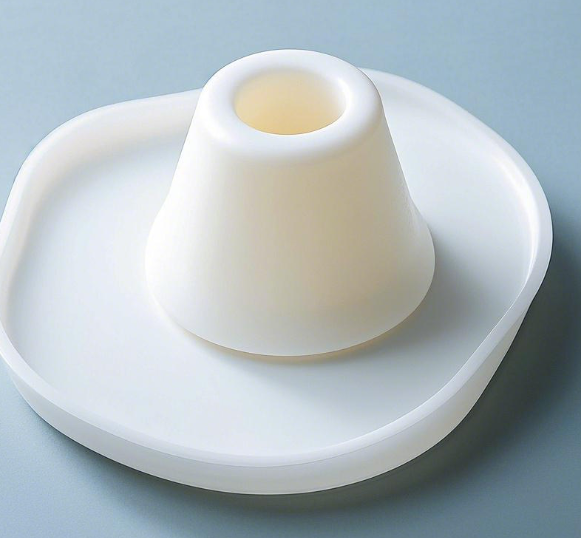
- Definition: It is a polymer produced by the addition polymerization reaction of ethylene monomers. Its molecular chains are mainly composed of carbon and hydrogen atoms and have a relatively simple structure.
- Synthesis Methods: Commonly used methods include the high-pressure method and the low-pressure method. In the high-pressure method, under the conditions of 100 - 300 MPa and 160 - 300 °C, with a trace amount of oxygen or organic peroxides as initiators, ethylene is polymerized to obtain low-density polyethylene (LDPE). Its molecular chains contain more branches. In the low-pressure method, under relatively low pressure (generally 1 - 10 MPa) and at a relatively low temperature, using Ziegler-Natta catalysts or chromium-based catalysts, high-density polyethylene (HDPE) is produced. The molecular chains of HDPE are closely arranged with few branches.
-
Performance Characteristics
- Mechanical Properties:
- LDPE has good flexibility and moderate tensile strength. It can be made into soft films. For example, food wrap made of LDPE can easily wrap food without being easily torn.
- HDPE has high strength and rigidity and can be used to manufacture products that can withstand relatively large external forces, such as plastic buckets and trash cans, which are sturdy and durable and can bear heavy loads.
- Chemical Properties:
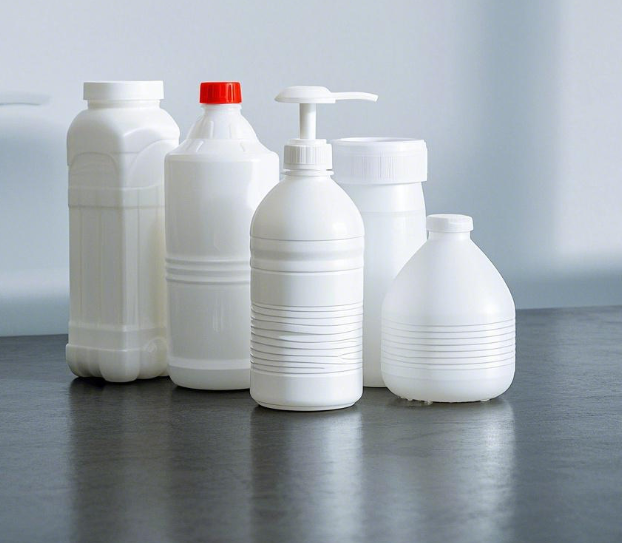
- It has strong chemical stability and is resistant to the erosion of most chemical substances such as acids, alkalis, and salts at room temperature. Many chemical raw material storage barrels and household cleaner bottles are made of polyethylene to ensure that the containers are not corroded and to guarantee the quality of the contents.
- It has excellent water resistance and will not undergo hydrolysis or other reactions when in long-term contact with water. Therefore, it is widely used in the manufacture of water pipes and water containers.
- Thermal Properties:
- LDPE has poor heat resistance, and its general operating temperature does not exceed 80 °C. However, it can still maintain a certain degree of flexibility at low temperatures and is often used for packaging refrigerated food.
- HDPE has relatively good heat resistance and can withstand temperatures of around 110 °C. It is suitable for some scenarios where high-temperature sterilization or short-term heat exposure is required. For example, some microwave-safe plastic tableware is made of HDPE.
- Electrical Properties: It has excellent insulation properties and is an ideal material for the insulating sheaths of electric wires and cables, effectively preventing electric leakage and ensuring the safe operation of electrical systems.
- Mechanical Properties:
-
Application Fields
- Packaging Industry:
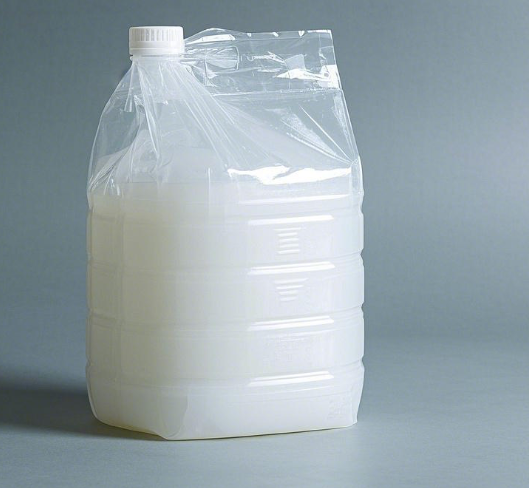
- Films made of LDPE are widely used in the packaging of food and daily necessities. They are thin, transparent, and can both protect products and facilitate the display of the appearance of goods.
- HDPE is used to manufacture various rigid packaging containers, such as plastic bottles and plastic boxes. With high strength, they can protect products from damage during transportation and storage.
- Agricultural Field:
- Agricultural films are mostly made of polyethylene. They can regulate the temperature, humidity, and light inside greenhouses, creating a suitable growth environment for crops and helping to increase agricultural production.
- Polyethylene water pipes for irrigation have low costs and are convenient to lay, enabling the precise delivery of water to farmland.
- Medical Field:
- Polyethylene that meets medical standards is used for the packaging of disposable medical devices, such as the outer packaging of syringes and infusion tubes, ensuring sterility and moisture resistance.
- Some components of infusion bags and blood bags are made of polyethylene because of its relatively good biocompatibility, reducing the risk of adverse reactions to the human body.
- Construction Field:
- Drainage pipes made of HDPE are corrosion-resistant and have smooth inner walls, ensuring smooth drainage and a long service life. They are the core materials for the water supply and drainage systems of modern buildings.
- The polyethylene film in building waterproofing rolls can effectively block the penetration of rainwater and protect the internal structure of buildings.
- Packaging Industry:
-
Development Trends
- High-performance: Research and development of new polyethylene varieties are being carried out to improve their performance in heat resistance, cold resistance, and aging resistance to meet the application requirements in extreme environments, such as deep-sea exploration equipment and polar scientific research facilities.
- Composite: Combining with nanomaterials, fibers, etc., integrating the advantages of various materials to develop multifunctional materials with high strength and high barrier properties, which are used in high-end packaging, aerospace, and other fields.
- Green and Sustainable: Using bio-based ethylene to synthesize polyethylene to reduce dependence on petrochemical resources and researching and developing degradable polyethylene to address the problem of plastic waste pollution.
Common surface treatments for plastic materials in the CNC machining industry
Polyamide: An Outstanding Engineering Plastic
Related Article

This article analyzes the prospects of the custom parts industry from three aspects: market demand, technological innovation, and challenges and opportunities, with specific cases to illustrate its development trends.
Analysis of the Prospects of the Custom Parts Industry
This article details CNC precision technology, covering its definition, applications in aerospace and electronics, advantages like high precision and automation, and its promising future in the manufacturing industry.
CNC Precision Technology: The Core Code of Modern Manufacturing and Its Infinite Potential
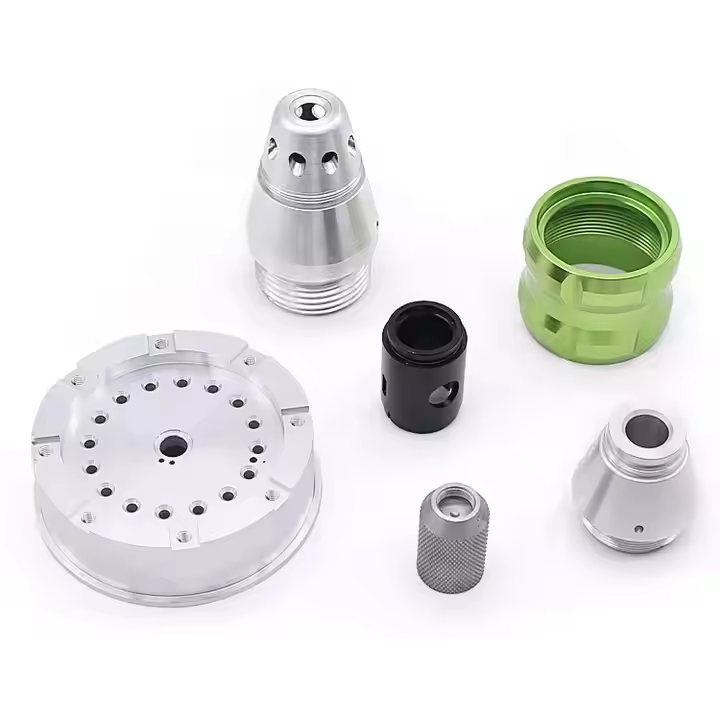
This part focuses on the shipbuilding industry, presenting a case of CNC technology application in the processing of large - scale ship propellers. It showcases how CNC technology addresses challenges in this field, improving processing efficiency and product quality, thus highlighting its significance in ship manufacturing.
CNC Technology Application Cases (Part 2)
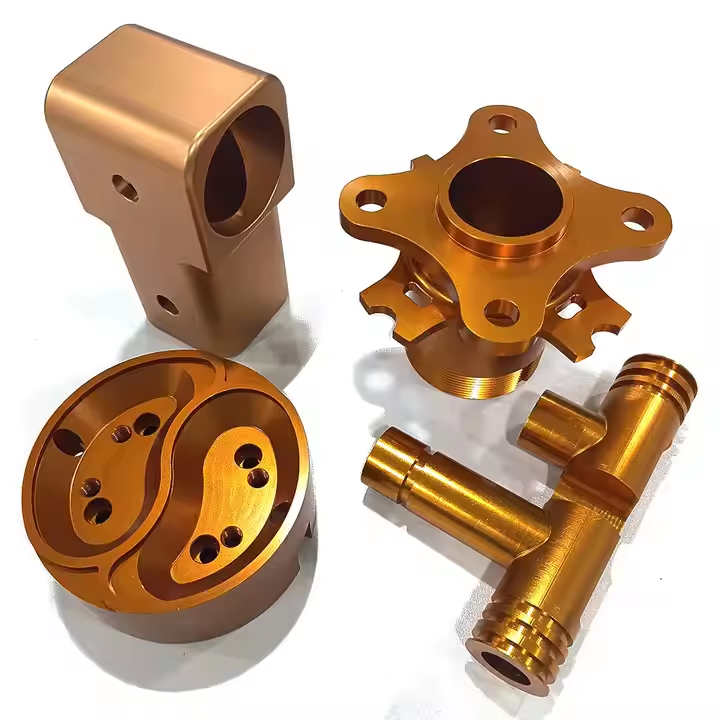
This article focuses on the medical device manufacturing and 3C product manufacturing fields. Through specific cases, it elaborates on the remarkable achievements of CNC technology in manufacturing complex and precise components and improving product quality, demonstrating its crucial role in related industries.
CNC Technology Application Cases (Part 1)