
Unveiling the Sandblasting Process: The Versatile Magic of Reshaping Metal Surfaces in Multiple Forms
author: DJ-03
2024-12-03
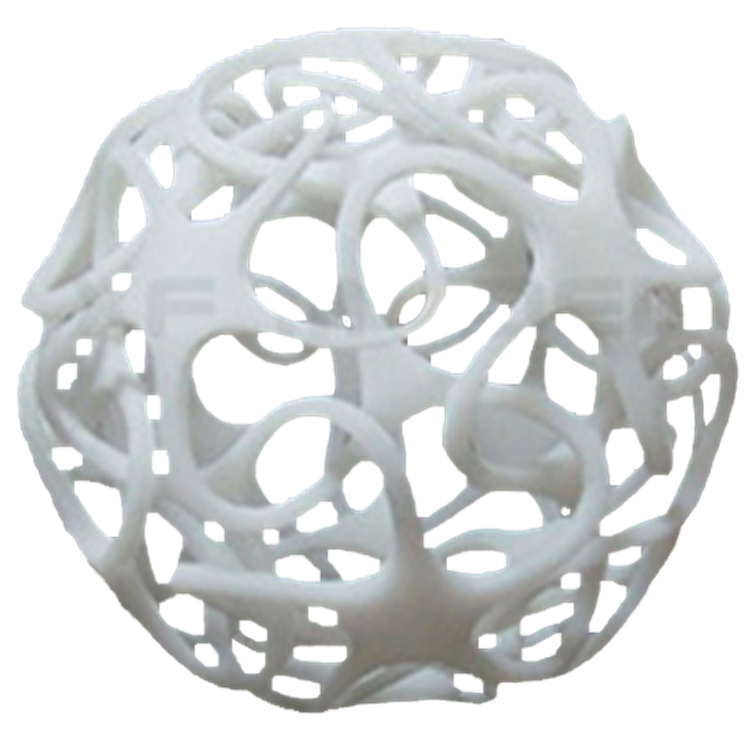
Unveiling the Sandblasting Process: The Versatile Magic of Reshaping Metal Surfaces in Multiple Forms
In the dazzling galaxy of metal surface treatment, the sandblasting process is like a shining superstar, endowing various workpieces with charming "coats" with its unique charm. The sandblasting process mainly has the following forms:
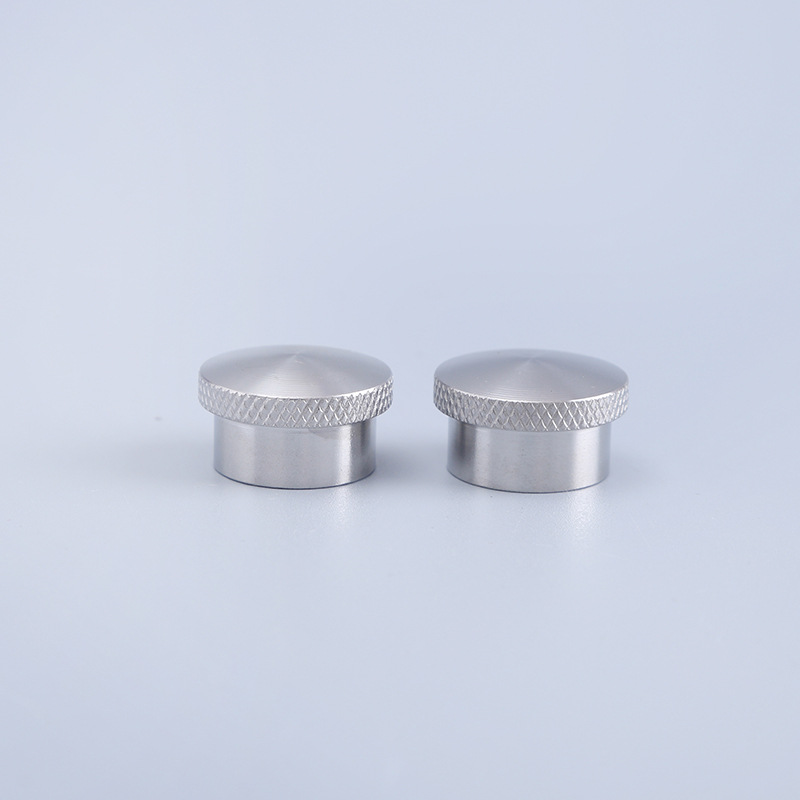
-
Dry Sandblasting:
-
Open Dry Sandblasting: Abrasives are driven by compressed air and sprayed onto the workpiece through a spray gun. The equipment is simple and the cost is low. It is suitable for workpieces with not particularly high requirements for surface roughness and not too complicated shapes, such as large mechanical parts. However, its working efficiency is low, it is difficult to recycle the abrasives, and it generates a large amount of dust.
-
Closed Dry Sandblasting: The operation is carried out in a closed sandblasting chamber with ventilation and dust removal equipment. It can control dust, and the abrasives can be recycled, making it suitable for batch processing of small and medium-sized workpieces. It can precisely control the surface roughness and cleanliness, such as for precision mechanical parts.
-
-
Wet Sandblasting:
-
Water Sandblasting: The abrasives are mixed with water to form a mortar, which is then sprayed onto the workpiece under high pressure. It reduces dust and prevents the workpiece from overheating, making it suitable for materials sensitive to temperature, such as some plastics. However, the equipment is relatively complex, and the workpiece needs to be dried after sandblasting to prevent rusting or other quality problems.
-
Steam Sandblasting: The abrasives are mixed with steam and sprayed onto the workpiece. It has good cleaning and roughening effects and can remove stubborn oil stains and other substances. However, the equipment cost is high, the energy consumption is large, and the operation process requires strict control of parameters such as steam pressure and temperature, demanding higher skills from the operators.
-
Vacuum Laminating: An Innovative Craft for Material Bonding
What are some examples of materials unsuitable for five-axis machining?
Related Article

This article analyzes the prospects of the custom parts industry from three aspects: market demand, technological innovation, and challenges and opportunities, with specific cases to illustrate its development trends.
Analysis of the Prospects of the Custom Parts Industry
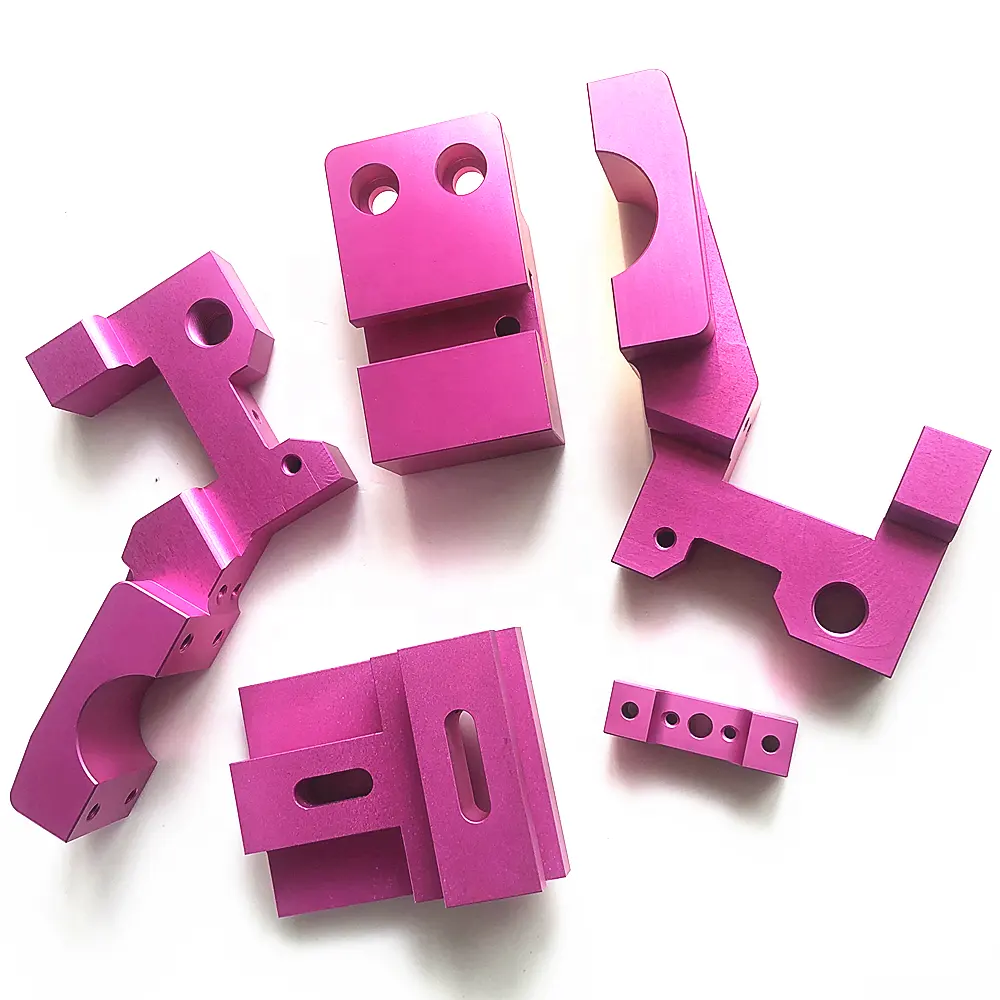
This article details CNC precision technology, covering its definition, applications in aerospace and electronics, advantages like high precision and automation, and its promising future in the manufacturing industry.
CNC Precision Technology: The Core Code of Modern Manufacturing and Its Infinite Potential
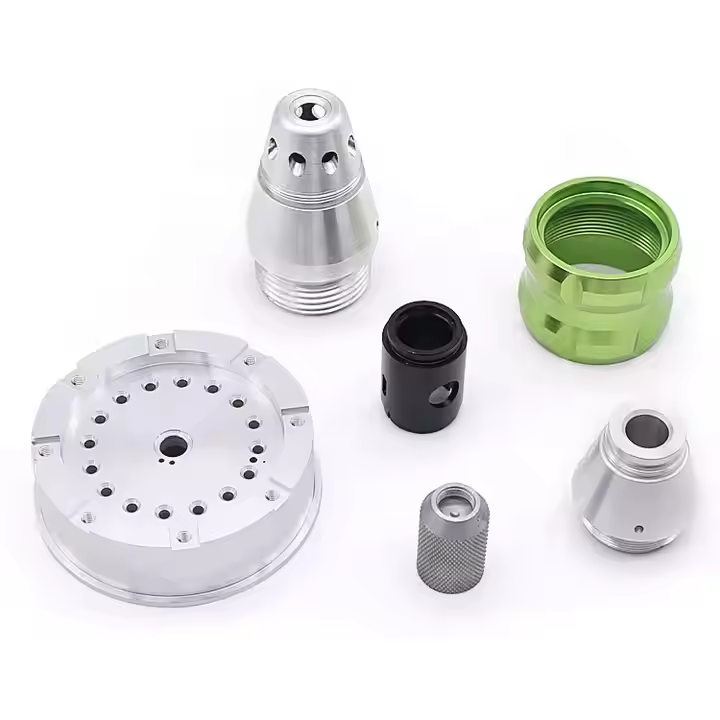
This part focuses on the shipbuilding industry, presenting a case of CNC technology application in the processing of large - scale ship propellers. It showcases how CNC technology addresses challenges in this field, improving processing efficiency and product quality, thus highlighting its significance in ship manufacturing.
CNC Technology Application Cases (Part 2)
This article focuses on the medical device manufacturing and 3C product manufacturing fields. Through specific cases, it elaborates on the remarkable achievements of CNC technology in manufacturing complex and precise components and improving product quality, demonstrating its crucial role in related industries.
CNC Technology Application Cases (Part 1)