
Development Trends of Precision Machining Equipment
author: DJ-03
2024-12-24
Development Trends of Precision Machining Equipment
Abstract: This paper analyzes the development trends of precision machining equipment, such as high precision, intelligence, integration, etc., and discusses its significance in applications in multiple fields, pointing out the direction for technological innovation and development in the industry.
With the development of industries like aerospace and electronics, the requirements for the precision of parts are constantly increasing. Precision machining equipment is required to possess higher motion precision, micro-feed and positioning precision. For example, in ultra-precision machining equipment, the straightness of the guide rail and the rotation accuracy of the spindle have reached the level of 0.1 micrometer, and the micro-feed and positioning accuracy have reached 0.1 micrometer level.
With the help of sensors, data collection and analysis technologies, real-time monitoring and intelligent control of the equipment can be achieved. For instance, CNC machine tools can optimize the machining process through data feedback, improving precision and efficiency. They can also be integrated with automated equipment like robots to build intelligent production lines.
Multiple machining processes are integrated into one piece of equipment. For example, Swiss-type lathes can complete multiple processes such as turning, milling, drilling and boring in one clamping, reducing the number of clamping times and errors, and improving machining efficiency and precision.
The machining time is shortened by increasing parameters such as cutting speed and feed rate and optimizing machining paths and processes. For example, compared with the traditional linear reciprocating milling, the machining time can be shortened by 30% - 40% when using the spiral milling path.
Greater attention is paid to environmental protection and energy conservation. Technologies such as dry cutting and minimum quantity lubrication are adopted to reduce the use of cutting fluid and environmental pollution. Meanwhile, the energy utilization efficiency of the equipment is improved to reduce energy consumption.
With the development of microelectromechanical systems and other fields, the demand for machining tiny-sized parts is increasing. Therefore, the equipment needs to develop towards miniaturization and micro-scale to meet the requirements of precision machining at the micro level.
It is deeply integrated with digital manufacturing technologies to realize functions such as virtual simulation, remote monitoring and diagnosis of the machining process. Through network technologies, the equipment can be connected to intelligent manufacturing systems, improving the flexibility and coordination of production.
What is the specific difference between quenching and tempering in heat treatment process?
Specific types of spraying processe
Related Article

This article analyzes the prospects of the custom parts industry from three aspects: market demand, technological innovation, and challenges and opportunities, with specific cases to illustrate its development trends.
Analysis of the Prospects of the Custom Parts Industry
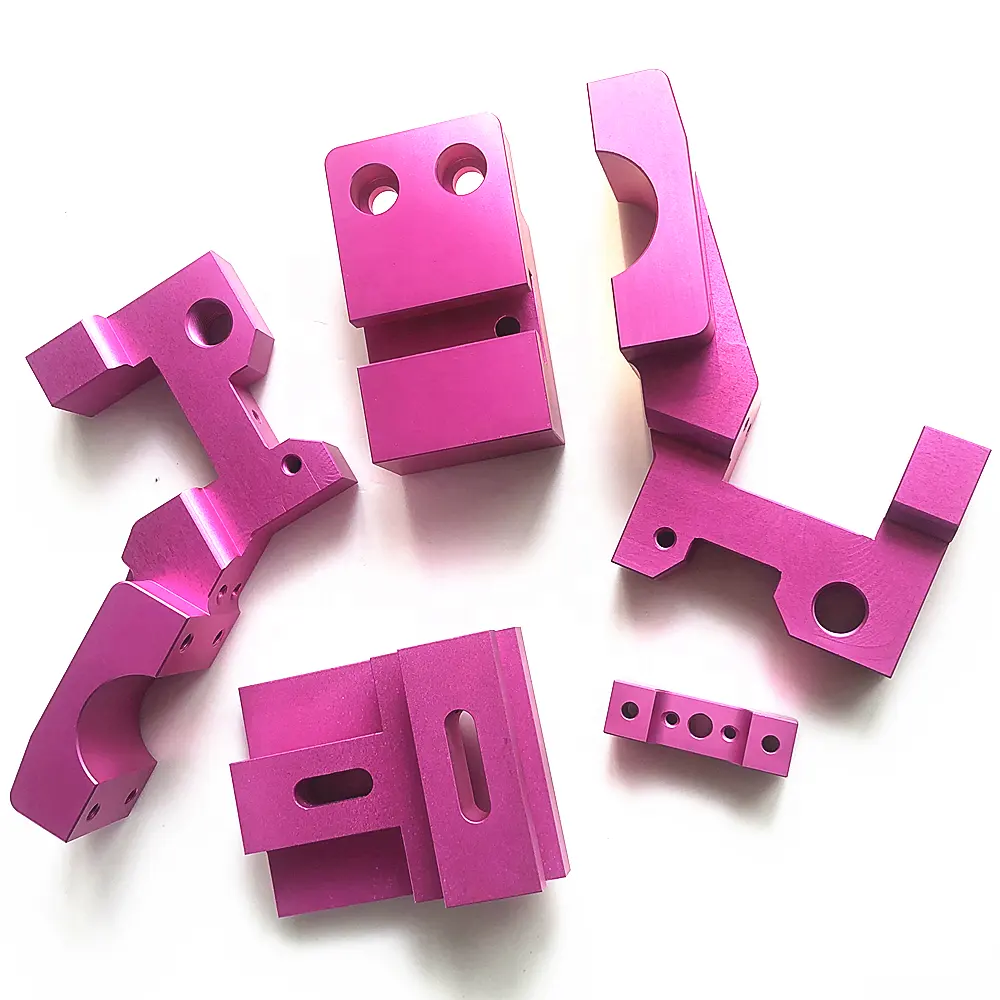
This article details CNC precision technology, covering its definition, applications in aerospace and electronics, advantages like high precision and automation, and its promising future in the manufacturing industry.
CNC Precision Technology: The Core Code of Modern Manufacturing and Its Infinite Potential
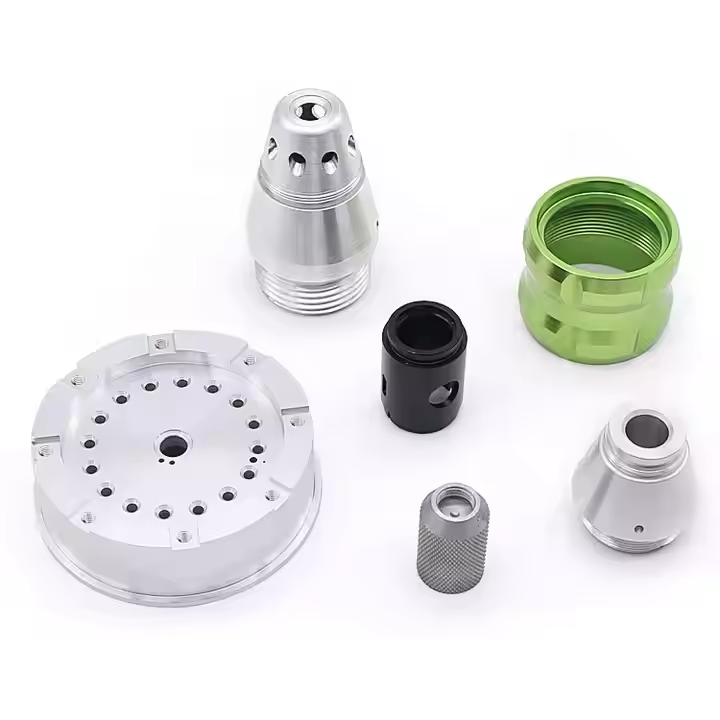
This part focuses on the shipbuilding industry, presenting a case of CNC technology application in the processing of large - scale ship propellers. It showcases how CNC technology addresses challenges in this field, improving processing efficiency and product quality, thus highlighting its significance in ship manufacturing.
CNC Technology Application Cases (Part 2)
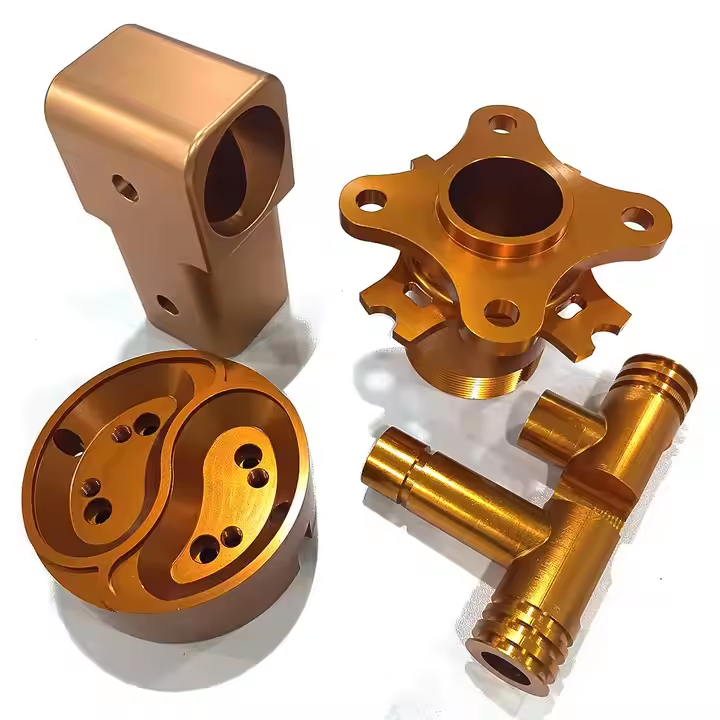
This article focuses on the medical device manufacturing and 3C product manufacturing fields. Through specific cases, it elaborates on the remarkable achievements of CNC technology in manufacturing complex and precise components and improving product quality, demonstrating its crucial role in related industries.
CNC Technology Application Cases (Part 1)