The Rapid Prototyping Industry: The Vanguard of Product Innovation
author: DJ-03
2025-02-06
The Rapid Prototyping Industry: The Vanguard of Product Innovation
Abstract: This article introduces the rapid prototyping industry, covering its definition, diverse manufacturing processes, wide - ranging application fields, analyzes the challenges it faces, and looks ahead to its future development in terms of technological integration and green manufacturing.
-
Definition and Function
A rapid prototype, also known as a first - sample or model, is a sample made according to the design before the formal production of a product. It is a crucial transitional link in the product development process from design concept to actual product.
-
Manufacturing Processes
- Computer Numerical Control (CNC) Machining: Controlled by a computer program, the machine tool precisely cuts materials. It can produce high - precision and complex - structured rapid prototypes, and is suitable for fields with high precision requirements such as the automotive and aerospace industries.
- 3D Printing: It features rapid prototyping and the ability to create complex shapes. It is often used in the design verification stage of electronic products, enabling designers to adjust design plans in a timely manner.
- Vacuum Casting: This process is mainly used for small - batch production of rapid prototypes. It replicates through a silicone mold with relatively low costs and is commonly used in the production of rapid prototypes for toys and household items.
-
Application Fields
- Consumer Electronics: Before launching new products such as mobile phones, tablets, and wearable devices, rapid prototypes are used to evaluate the appearance, dimensions, and assembly feasibility.
- Automotive Manufacturing: From the appearance modeling of concept cars to the functional testing of engine components, rapid prototypes assist in the design optimization and performance improvement of automobiles.
- Medical Devices: When developing new surgical instruments and medical equipment, rapid prototypes help verify the product's functions and ergonomic designs, ensuring product safety and effectiveness.
Custom Parts: An Industrial Tool for Precisely Meeting Diverse Needs
Mechanical Precision Parts Manufacturing: The Precision Code of Modern Industry
Related Article
This article analyzes the prospects of the custom parts industry from three aspects: market demand, technological innovation, and challenges and opportunities, with specific cases to illustrate its development trends.
Analysis of the Prospects of the Custom Parts Industry
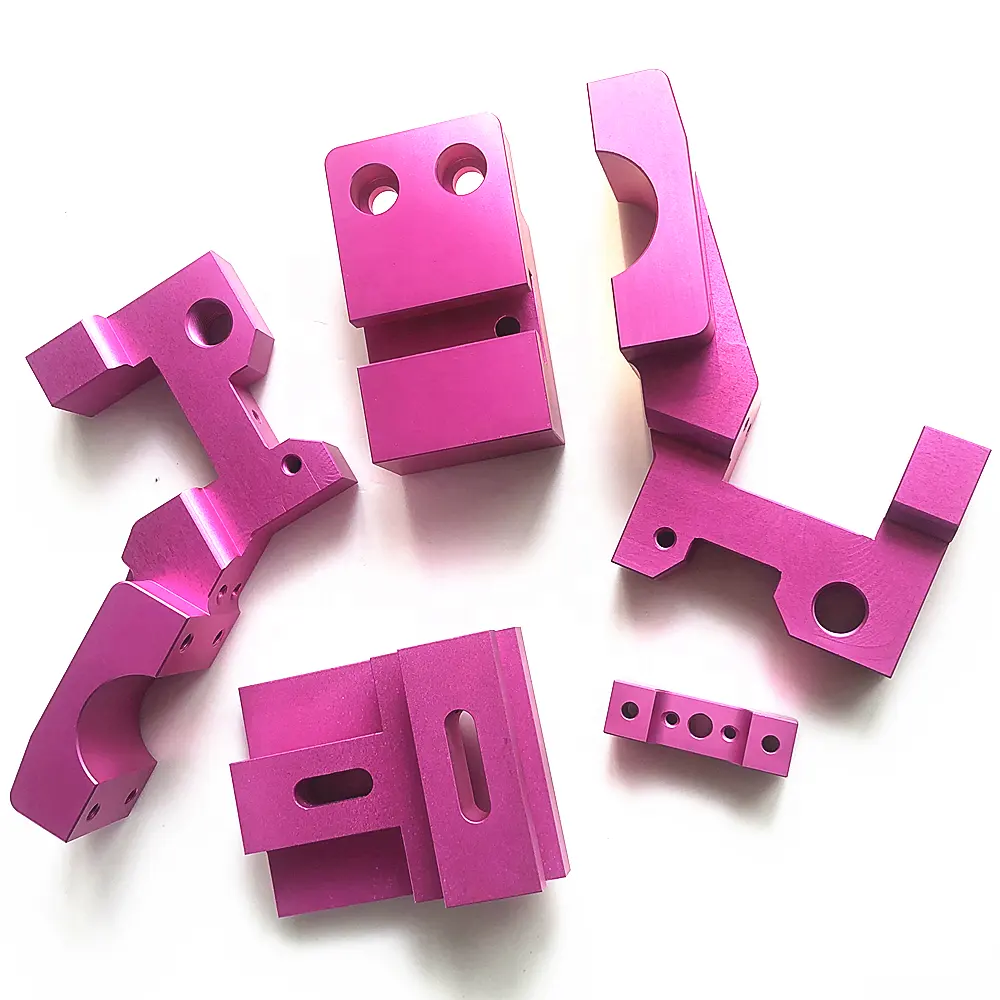
This article details CNC precision technology, covering its definition, applications in aerospace and electronics, advantages like high precision and automation, and its promising future in the manufacturing industry.
CNC Precision Technology: The Core Code of Modern Manufacturing and Its Infinite Potential
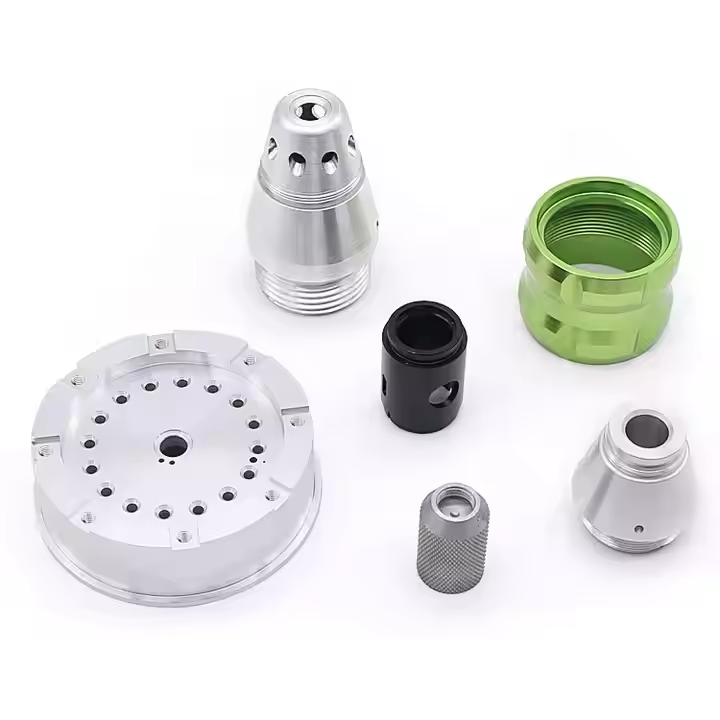
This part focuses on the shipbuilding industry, presenting a case of CNC technology application in the processing of large - scale ship propellers. It showcases how CNC technology addresses challenges in this field, improving processing efficiency and product quality, thus highlighting its significance in ship manufacturing.
CNC Technology Application Cases (Part 2)
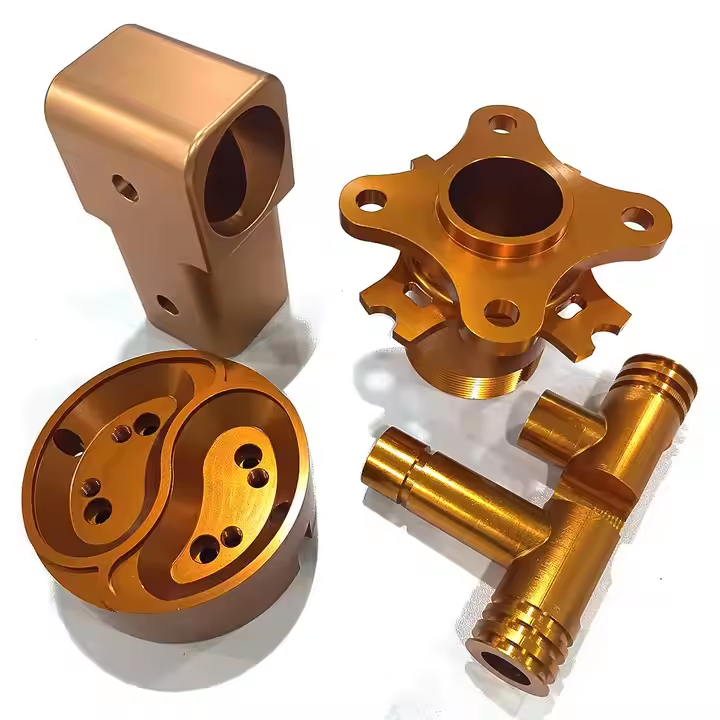
This article focuses on the medical device manufacturing and 3C product manufacturing fields. Through specific cases, it elaborates on the remarkable achievements of CNC technology in manufacturing complex and precise components and improving product quality, demonstrating its crucial role in related industries.
CNC Technology Application Cases (Part 1)