
A Comprehensive Analysis of Four-axis and Five-axis Machinery: Characteristics, Differences and Application Fields
author: DJ-03
2024-11-29
A Comprehensive Analysis of Four-axis and Five-axis Machinery: Characteristics, Differences and Application Fields
In the captivating realm of modern mechanical engineering, the four-axis and five-axis machinery stand as technological marvels, each possessing unique capabilities that redefine the boundaries of precision manufacturing. The following is a detailed exploration and comparison between these two remarkable machining powerhouses:
1. Number and Direction of Motion Axes
-
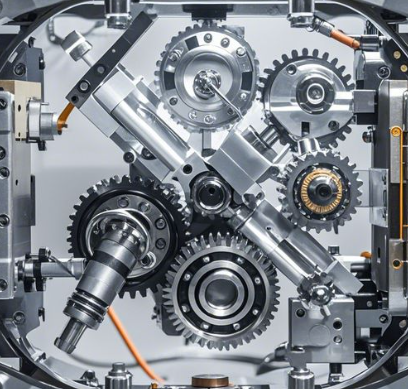
Four-axis Machinery: Usually, a rotary axis (either A-axis or B-axis) is added to the traditional three axes (X, Y, and Z axes). The A-axis generally rotates around the X-axis, while the B-axis rotates around the Y-axis. This enables the cutting tool or the workpiece to rotate within a plane, mainly used for machining side surfaces, contours, etc. that have certain angle requirements. For example, when machining some cylindrical or conical surfaces with inclined angles, the four-axis linkage can achieve more complex curved surface machining by coordinating the rotational movement of the rotary axis with the linear movements of the X, Y, and Z axes.
-
Five-axis Machinery: Two rotary axes are added to the three axes, usually the A-axis (rotating around the X-axis) and the C-axis (rotating around the Z-axis), or the B-axis (rotating around the Y-axis) and the C-axis. The combination of these two rotary axes allows the cutting tool to approach the workpiece from almost any direction, enabling the machining of more complex three-dimensional curved surfaces. For instance, for complex-shaped parts such as aero-engine blades and marine propellers, five-axis machinery can avoid tool interference and achieve efficient and high-precision machining.
2. Machining Capacity and Accuracy
-
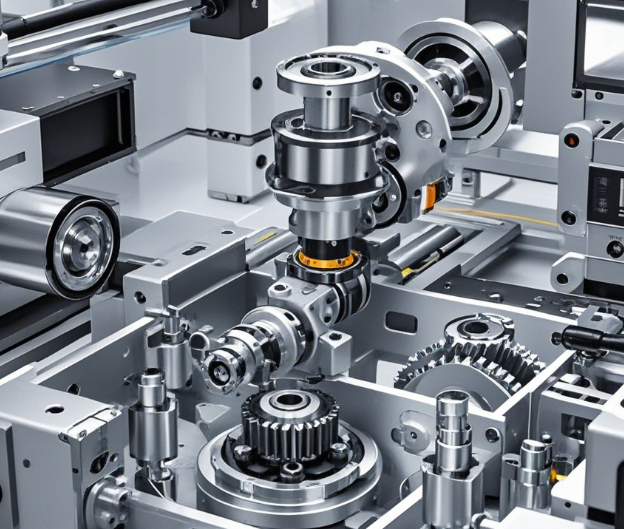
Four-axis Machinery: It has advantages in machining parts with rotational features, being able to improve machining efficiency and accuracy. It performs well in machining regular and complex contours with fixed angles, such as cams and helical gears. However, for complex free-form surfaces, especially those with a large degree of distortion, four-axis machinery may not be able to complete the machining satisfactorily due to the limited tool angle, or it may require multiple setups and repositioning, which will affect the machining accuracy.
-
Five-axis Machinery: It can perform one-time clamping and machining on complex spatial curved surfaces, avoiding the cumulative errors caused by multiple setups and significantly improving the machining accuracy. It enables the cutting tool to maintain the optimal cutting state during the machining process. For complex-shaped parts such as complex molds and high-end mechanical parts, it can achieve higher quality machining, and its machining accuracy is usually higher than that of four-axis machinery.
3. Programming Complexity
-
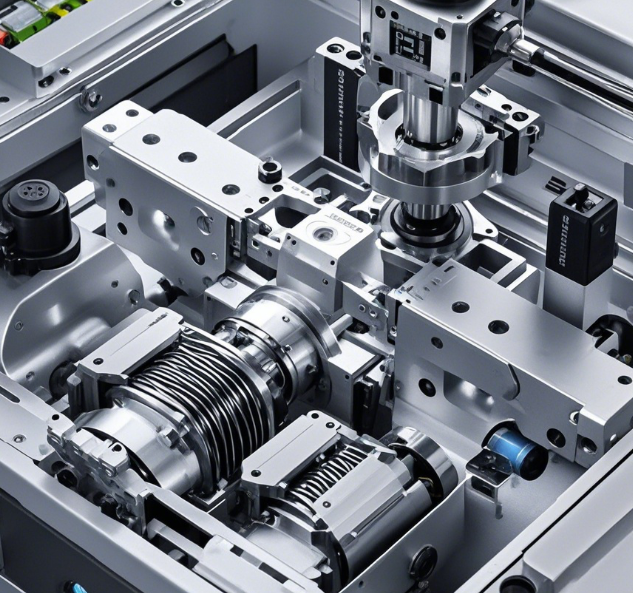
Four-axis Machinery: The programming is relatively simple. Since it mainly adds the control of a rotary axis on the basis of three-axis programming, it is relatively easy to understand and master for those with a certain foundation in numerical control programming. When programming, the main considerations are the linkage relationship between the rotary axis and the linear axes, as well as the impact of the angle change during the machining process on the tool path.
-
Five-axis Machinery: The programming is much more complex. It is necessary to consider the complex linkage relationship between two rotary axes and three linear axes, and to prevent collisions between the cutting tool and the workpiece or fixture. Programmers need to have a higher spatial imagination and numerical control programming skills. Moreover, when generating the tool path, more factors need to be considered, such as the tool posture, cutting direction, and the range of motion of the rotary axes.
4. Application Fields
-
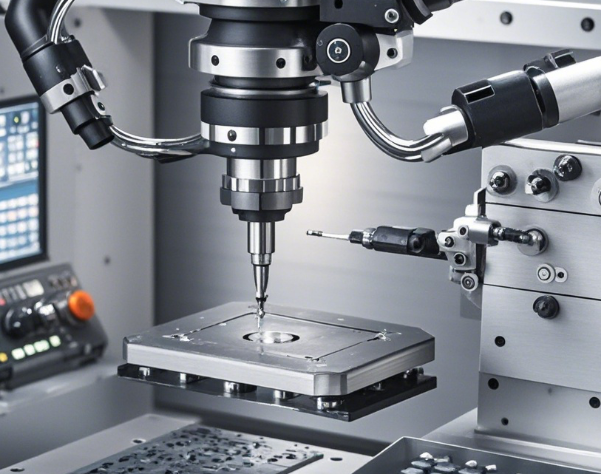
Four-axis Machinery: It is widely used in the machining of parts that require high precision and have relatively regular shapes but with angle requirements, such as automotive parts (such as steering knuckles), shaft-like parts in mechanical manufacturing, and gears with helical teeth. In mold machining, it also has applications in some sloped parting surfaces.
-
Five-axis Machinery: It is mainly used in high-end manufacturing industries, such as the aerospace field (aircraft wings, engine blades, etc.), shipbuilding (propellers, etc.), high-end mold manufacturing (complex cavity molds), and medical devices (artificial joints and other complex-shaped implants). The parts in these industries often have complex spatial curved surface structures and require extremely high precision and surface quality.
In conclusion, both four-axis and five-axis machinery play important roles in different manufacturing fields. Four-axis machinery is suitable for processing parts with certain angle requirements in conventional manufacturing, while five-axis machinery is crucial for high-end manufacturing industries with complex part geometries and high precision requirements.
Several common methods of making prototypes
Introduction to PEEK Material
Related Article

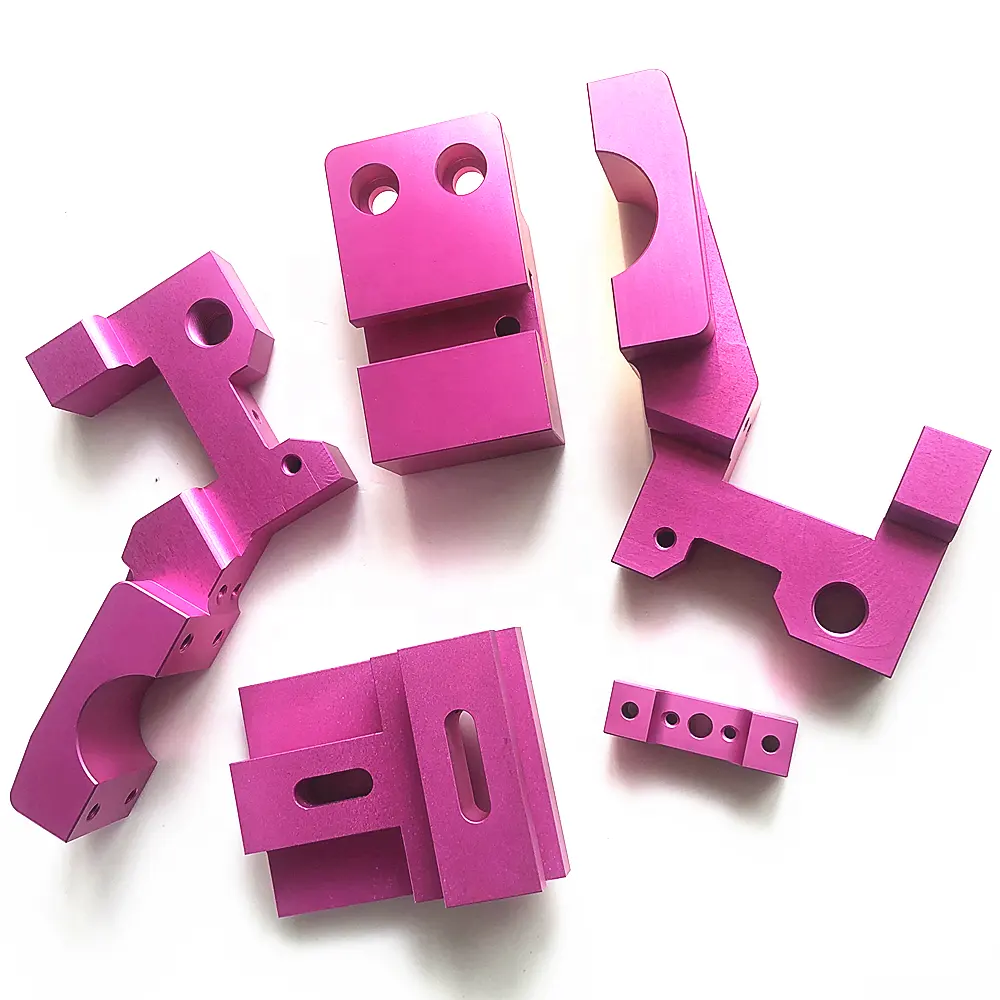
This article analyzes the prospects of the custom parts industry from three aspects: market demand, technological innovation, and challenges and opportunities, with specific cases to illustrate its development trends.
Analysis of the Prospects of the Custom Parts Industry
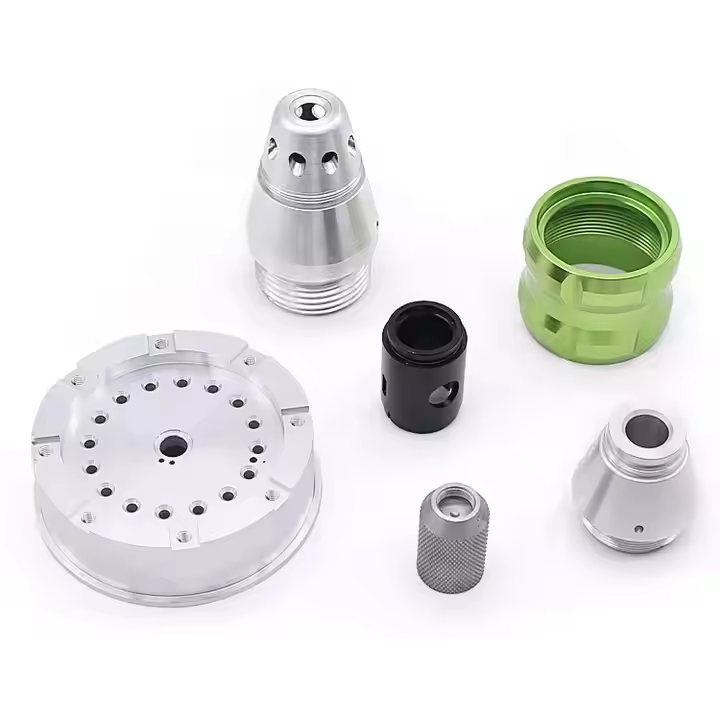
This article details CNC precision technology, covering its definition, applications in aerospace and electronics, advantages like high precision and automation, and its promising future in the manufacturing industry.
CNC Precision Technology: The Core Code of Modern Manufacturing and Its Infinite Potential
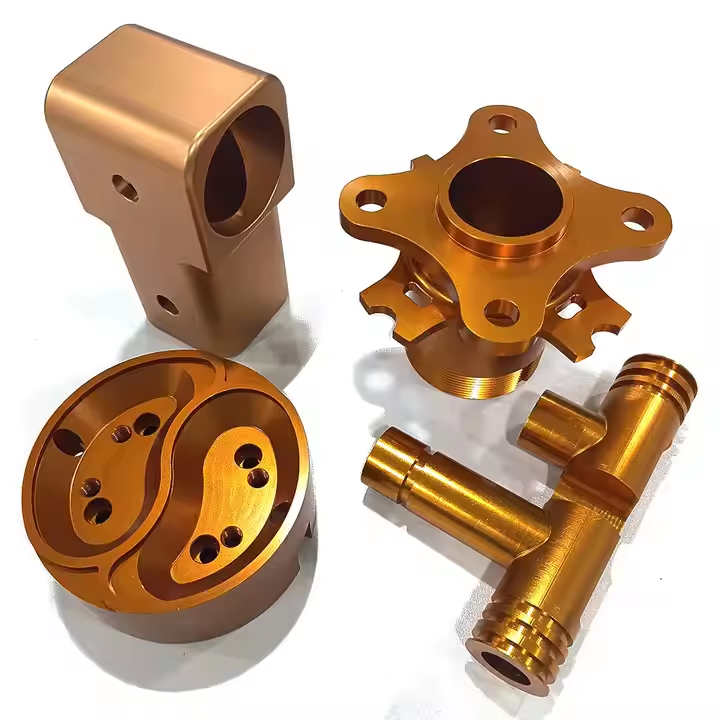
This part focuses on the shipbuilding industry, presenting a case of CNC technology application in the processing of large - scale ship propellers. It showcases how CNC technology addresses challenges in this field, improving processing efficiency and product quality, thus highlighting its significance in ship manufacturing.
CNC Technology Application Cases (Part 2)
This article focuses on the medical device manufacturing and 3C product manufacturing fields. Through specific cases, it elaborates on the remarkable achievements of CNC technology in manufacturing complex and precise components and improving product quality, demonstrating its crucial role in related industries.
CNC Technology Application Cases (Part 1)