
Exploring the secrets of machining passivation technology: the "invisible armor" that protects metals-1
author: DJ-03
2025-01-22
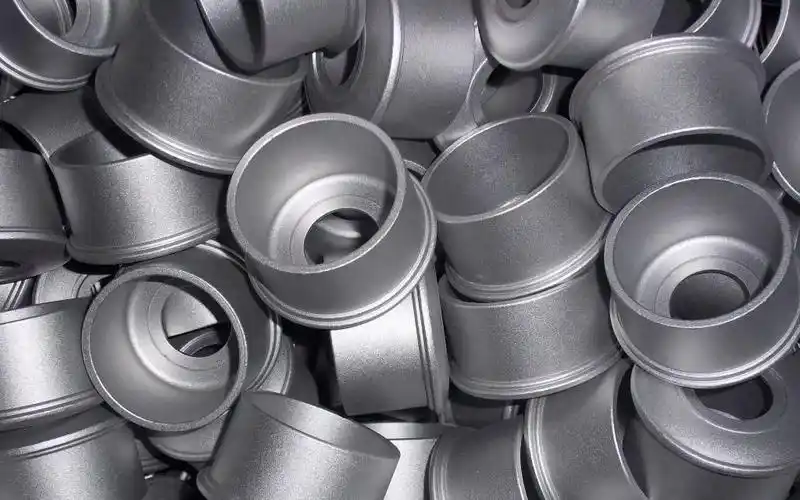
Exploring the secrets of machining passivation technology: the "invisible armor" that protects metals
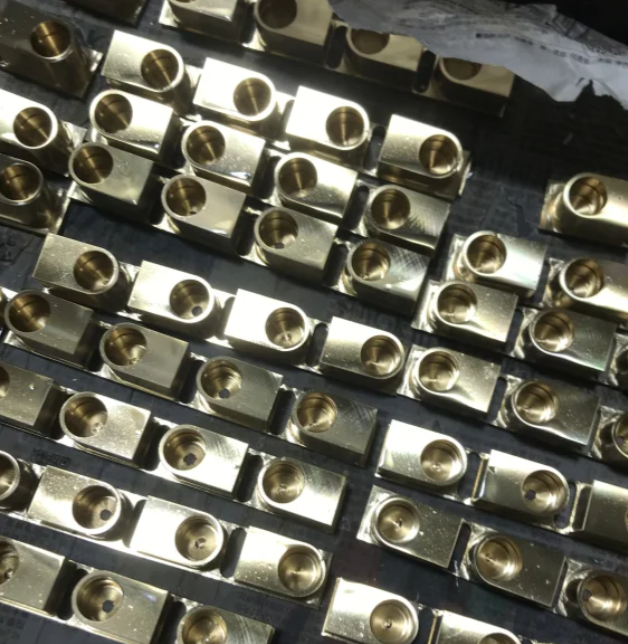
-
Definition and Principle
-
Definition: The passivation process is a treatment method that forms a passivation film on the metal surface through chemical reaction, aiming to improve the corrosion resistance and stability of the metal, making it less prone to chemical reactions such as oxidation under specific conditions.
-
Principle: It is mainly based on the chemical reaction between the metal and a specific passivator. Taking the common stainless steel passivation as an example, when stainless steel comes into contact with a passivation solution containing an oxidant, elements such as iron and chromium on the metal surface will react with the oxidant in the passivation solution to form a dense, continuous and protective passivation film mainly composed of chromium oxide on the metal surface. This passivation film can isolate the metal from the external environment, prevent corrosive substances such as oxygen and water from directly contacting the metal matrix, thereby slowing down the corrosion rate of the metal.
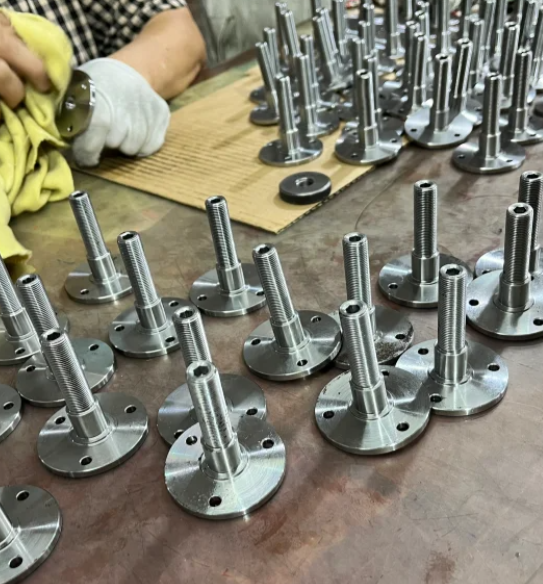
-
Process
-
Pretreatment: Before passivation treatment, the metal parts need to be thoroughly cleaned to remove impurities such as oil, grease, dust, and cutting fluid on the surface. Organic solvent cleaning, alkaline degreasing or acid rust removal are usually used to ensure that the metal surface is clean and free of impurities, creating good conditions for subsequent passivation reactions.
-
Passivation treatment: Soak the pre-treated metal parts in the passivation solution. According to different metal materials and passivation requirements, select the appropriate passivation solution formula and treatment time. For example, for stainless steel, the commonly used passivation solution contains nitric acid, citric acid and other ingredients. Within the specified time, the metal surface reacts fully with the passivation solution to form a passivation film.
-
Post-treatment: After the passivation treatment is completed, the parts need to be cleaned to remove the passivation solution and reaction products remaining on the surface. Generally, rinse with clean water to ensure that there is no residue on the surface of the parts. In some cases, drying treatment may also be required to prevent corrosion of the parts due to water on the surface during subsequent storage or use.
Exploring the secrets of machining passivation technology: the "invisible armor" that protects metals-2
Home furnishings: adding beauty and practicality
Related Article

This article analyzes the prospects of the custom parts industry from three aspects: market demand, technological innovation, and challenges and opportunities, with specific cases to illustrate its development trends.
Analysis of the Prospects of the Custom Parts Industry
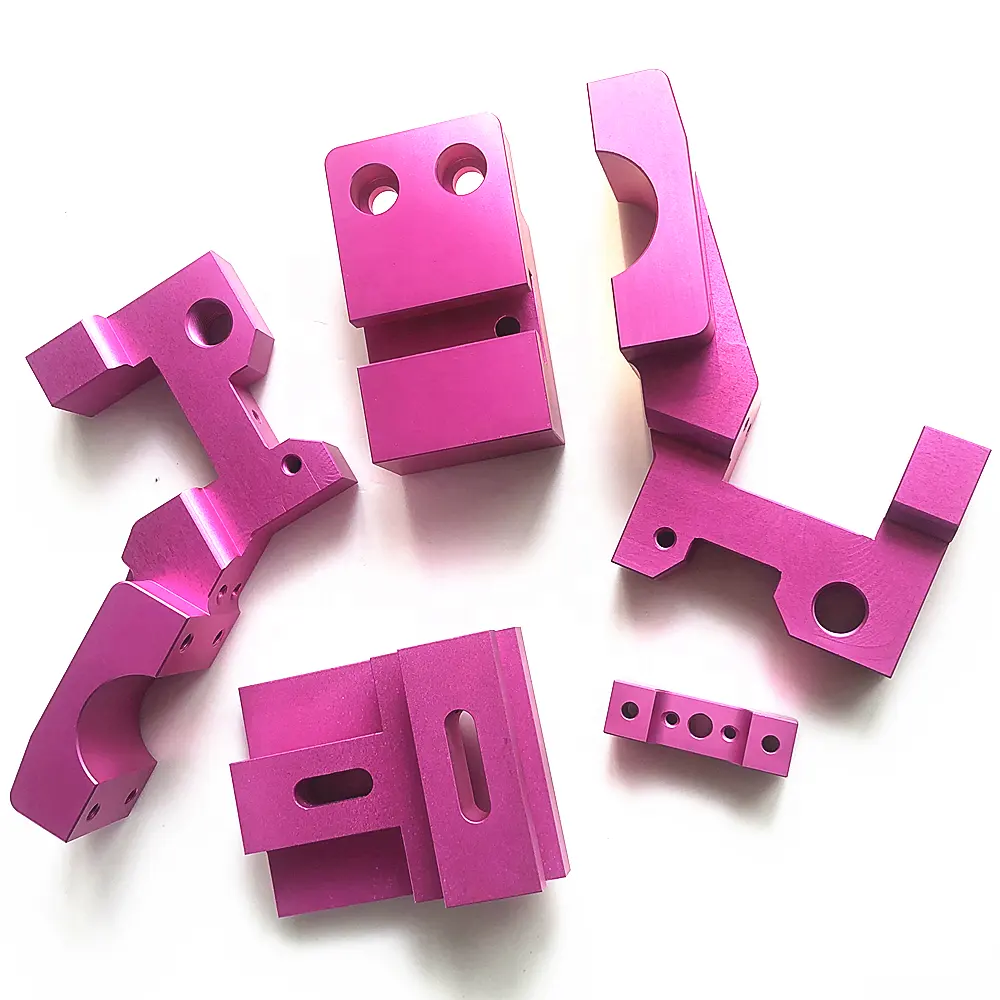
This article details CNC precision technology, covering its definition, applications in aerospace and electronics, advantages like high precision and automation, and its promising future in the manufacturing industry.
CNC Precision Technology: The Core Code of Modern Manufacturing and Its Infinite Potential
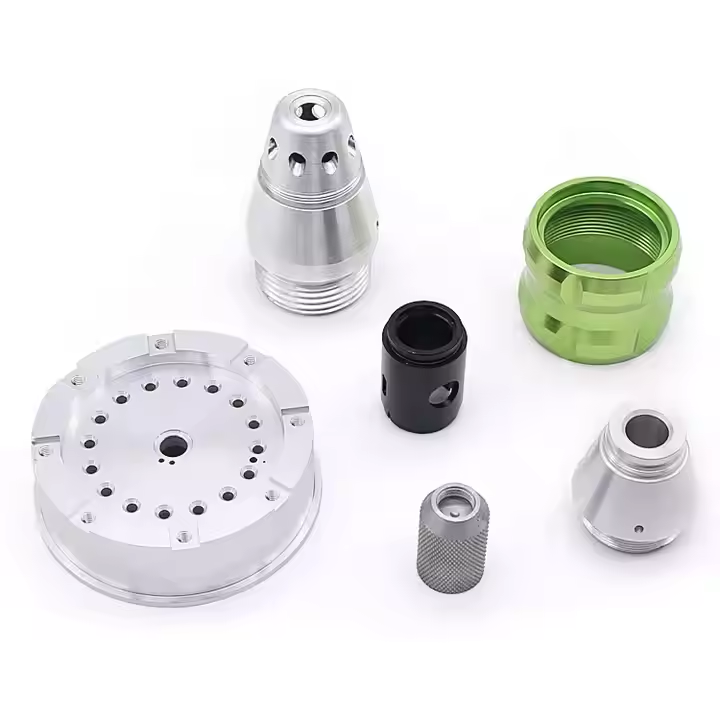
This part focuses on the shipbuilding industry, presenting a case of CNC technology application in the processing of large - scale ship propellers. It showcases how CNC technology addresses challenges in this field, improving processing efficiency and product quality, thus highlighting its significance in ship manufacturing.
CNC Technology Application Cases (Part 2)
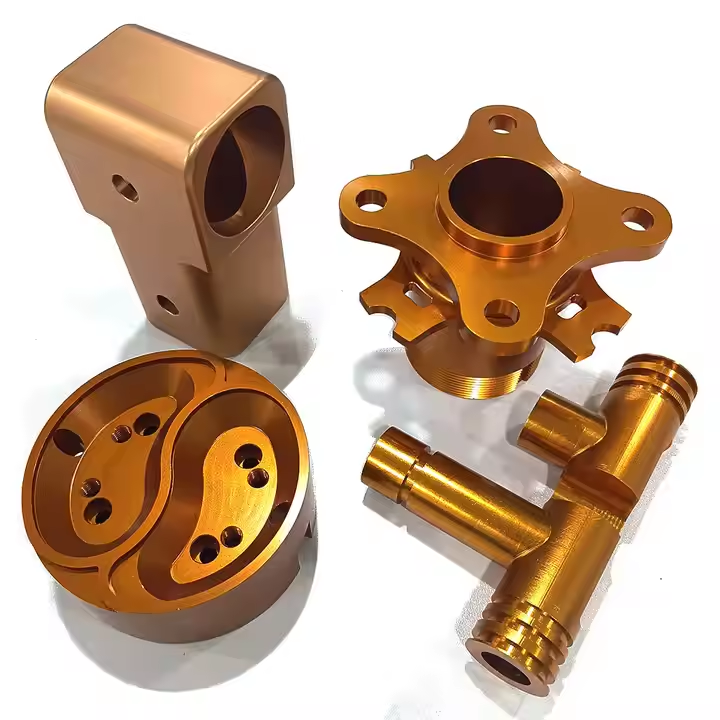
This article focuses on the medical device manufacturing and 3C product manufacturing fields. Through specific cases, it elaborates on the remarkable achievements of CNC technology in manufacturing complex and precise components and improving product quality, demonstrating its crucial role in related industries.
CNC Technology Application Cases (Part 1)