
The Innovation Path of Aluminum Casting Manufacturing: From Technological Breakthroughs to Performance Leaps
author: DJ-03
2025-01-16
The Innovation Path of Aluminum Casting Manufacturing: From Technological Breakthroughs to Performance Leaps
This paper explores the field of aluminum casting manufacturing, elaborates on the journey from technological breakthroughs to performance enhancements, and analyzes key factors and future directions.
1. Introduction

Aluminum castings are of great significance in various industries due to their excellent comprehensive properties. Driven by technological advancements and market demands, the manufacturing of aluminum castings is undergoing profound changes, embarking on an innovation path.
2. Limitations of Traditional Processes

Traditional processes such as sand casting and permanent mold casting have their drawbacks. Sand casting has limitations in dimensional accuracy, surface quality, and internal compactness. Permanent mold casting has poor complex - structure forming ability, high mold costs, and is not suitable for small - batch production.
3. Technological Breakthroughs
3.1 Advanced Casting Technologies
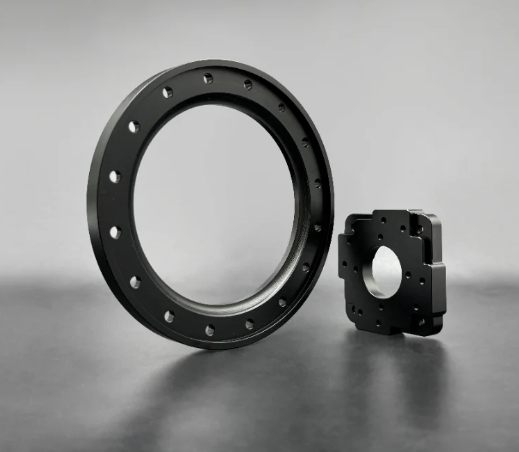
Low - pressure casting fills the mold with liquid aluminum under low pressure, reducing turbulence and gas entrapment. This results in a denser casting structure and improved mechanical properties, as seen in the manufacturing of automotive wheels.
Differential pressure casting controls the solidification sequence by using pressure differences, enhancing the compactness and performance uniformity of castings, meeting the requirements of critical aerospace castings.
3.2 Mold Manufacturing Innovations
3D - printed molds shorten the mold development cycle, reduce costs for small - batch production, and enable complex structural designs, facilitating the formation of complex - shaped aluminum castings.
Surface treatment technologies like nitriding and hard chromium plating improve the hardness, wear resistance, and demolding properties of molds, extending their lifespan, reducing costs, and enhancing the surface quality of aluminum castings.
3.3 Material Optimization
Adding elements like rare earths to develop new aluminum alloys optimizes their properties. For example, in aerospace engine components, new alloys improve high - temperature stability.
Combining aluminum alloys with materials like carbon fibers creates composites with good processing properties and high strength, showing great potential in high - end equipment manufacturing.
4. Manifestations of Performance Leaps
4.1 Mechanical Properties
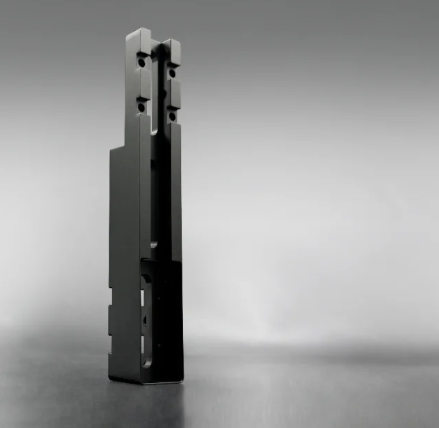
Improvements in processes and materials significantly enhance strength, hardness, and toughness, as demonstrated in the manufacturing of automotive engine blocks.
4.2 Precision and Quality
Dimensional accuracy increases and surface roughness decreases, reducing post - processing steps, as seen in the manufacturing of electronic device casings.
4.3 Heat and Corrosion Resistance
New materials enhance heat and corrosion resistance, extending the lifespan in high - temperature and corrosive environments, such as in marine engineering components.
5. Future Outlook

Technological progress will continue to drive the innovation of aluminum casting manufacturing. The integration of emerging technologies will enable intelligent production. The demand for high - performance materials will promote continuous innovation in processes and materials, allowing aluminum castings to play a more significant role in emerging industries.
Entering machining
3D Printing and Aluminum Castings: The Cross - border Integration of Traditional Craft and Emerging Technology
Related Article

This article analyzes the prospects of the custom parts industry from three aspects: market demand, technological innovation, and challenges and opportunities, with specific cases to illustrate its development trends.
Analysis of the Prospects of the Custom Parts Industry
This article details CNC precision technology, covering its definition, applications in aerospace and electronics, advantages like high precision and automation, and its promising future in the manufacturing industry.
CNC Precision Technology: The Core Code of Modern Manufacturing and Its Infinite Potential
This part focuses on the shipbuilding industry, presenting a case of CNC technology application in the processing of large - scale ship propellers. It showcases how CNC technology addresses challenges in this field, improving processing efficiency and product quality, thus highlighting its significance in ship manufacturing.
CNC Technology Application Cases (Part 2)
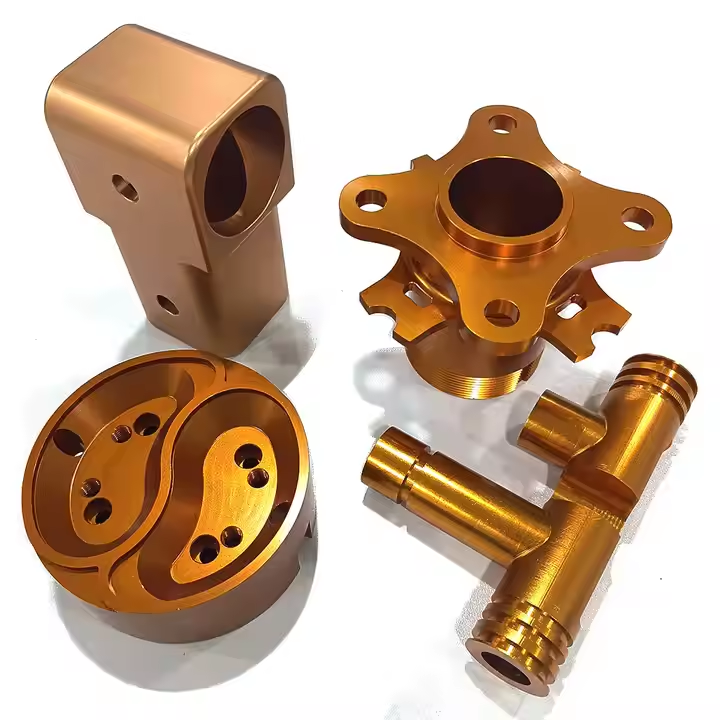
This article focuses on the medical device manufacturing and 3C product manufacturing fields. Through specific cases, it elaborates on the remarkable achievements of CNC technology in manufacturing complex and precise components and improving product quality, demonstrating its crucial role in related industries.
CNC Technology Application Cases (Part 1)