
Aluminum Castings: Pioneers of Environmental Protection Unlocking the New Code of Green Manufacturing
author: DJ-03
2025-01-16
Aluminum Castings: Pioneers of Environmental Protection Unlocking the New Code of Green Manufacturing
I. Introduction
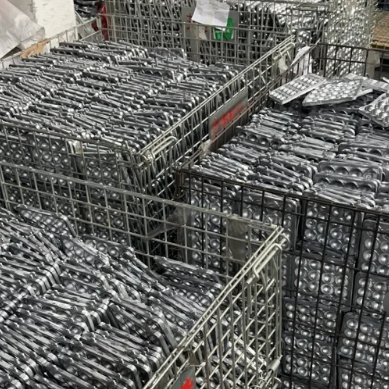
Amid the global active advocacy of green development, the environmental transformation of the manufacturing industry is extremely urgent. As a widely used material, aluminum castings have emerged in the field of green manufacturing with their unique advantages, becoming the key to unlocking the new code of green manufacturing.
II. High Recycling Rate and Recycling Advantages
- High Recycling Proportion
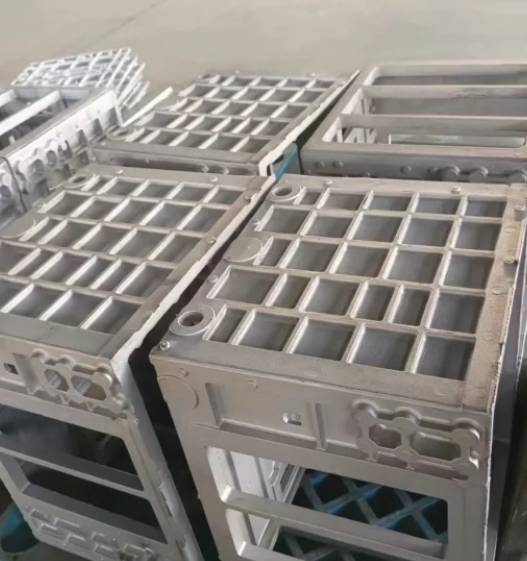
Aluminum has an extremely high recycling rate. Discarded aluminum castings can be remelted into aluminum ingots through an efficient recycling process, with a recycling rate of over 90%. This means that a large amount of aluminum resources can be recycled, reducing the reliance on the mining of primary aluminum ore. - Sustainability of Recycling
Each time aluminum castings are recycled, their performance remains basically unchanged, continuously meeting the needs of various industrial production. From automotive parts to building structural components, recycled aluminum castings are constantly rejuvenated, providing strong support for sustainable development.
III. Low - Energy - Consumption Manufacturing Process
- Low Energy Consumption in Smelting Process
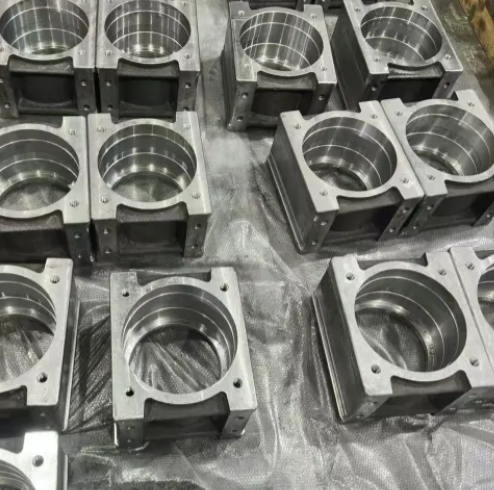
Compared with the smelting of other metals, aluminum has a relatively low melting point. During the casting process, the energy consumption required for smelting is also low. This significantly reduces the energy consumption during the manufacturing process and lowers carbon emissions. - Energy - Saving Manufacturing Process
Advanced aluminum casting manufacturing processes, such as die - casting and precision casting, while ensuring product quality, further optimize energy utilization efficiency. By precisely controlling casting parameters, unnecessary energy waste is reduced.
IV. Manifestation of Environmental Advantages in Various Industries
- Automotive Industry
The use of aluminum castings to manufacture automotive parts not only reduces the vehicle body weight, improves fuel efficiency, and reduces exhaust emissions, but also makes aluminum castings easy to recycle and reuse after the vehicle is scrapped, reducing the environmental impact of the entire life cycle of the vehicle. - Construction Industry
The application of aluminum castings in building structures not only ensures the strength and stability of the building, but also because of their recyclability, the aluminum materials can be reused after the building is demolished, reducing the generation of construction waste.
V. Conclusion
Aluminum castings, with their remarkable advantages such as high recycling rate and low - energy - consumption manufacturing, have become well - deserved environmental protection pioneers. They provide a feasible path for green manufacturing and unlock the new code of green manufacturing. In the future, with the continuous advancement of technology, the potential of aluminum castings in the environmental protection field will be further unleashed, promoting the global manufacturing industry to develop in a greener and more sustainable direction.
Some examples of materials unsuitable for CNC machining
From Aviation to Electronics: The Seamless Integration of Aluminum Castings in Diverse Fields
Related Article

This article analyzes the prospects of the custom parts industry from three aspects: market demand, technological innovation, and challenges and opportunities, with specific cases to illustrate its development trends.
Analysis of the Prospects of the Custom Parts Industry
This article details CNC precision technology, covering its definition, applications in aerospace and electronics, advantages like high precision and automation, and its promising future in the manufacturing industry.
CNC Precision Technology: The Core Code of Modern Manufacturing and Its Infinite Potential
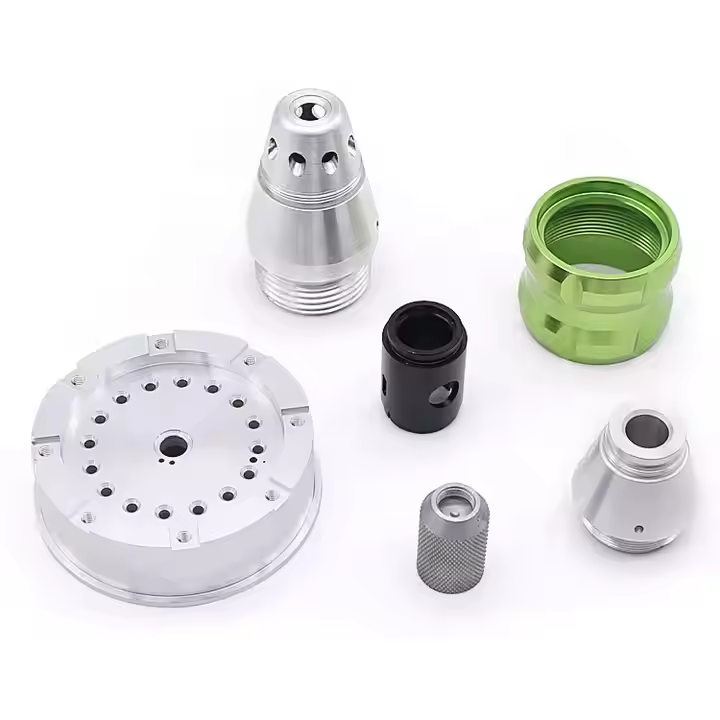
This part focuses on the shipbuilding industry, presenting a case of CNC technology application in the processing of large - scale ship propellers. It showcases how CNC technology addresses challenges in this field, improving processing efficiency and product quality, thus highlighting its significance in ship manufacturing.
CNC Technology Application Cases (Part 2)
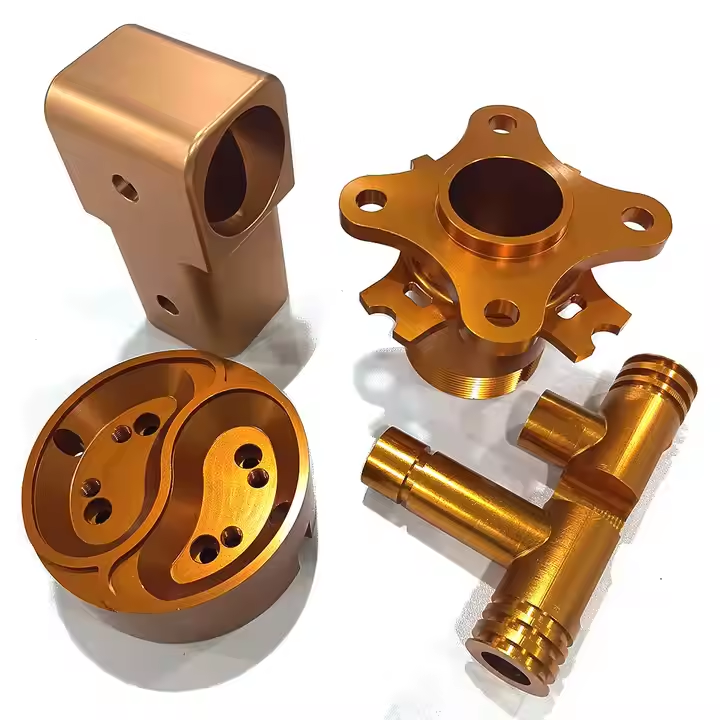
This article focuses on the medical device manufacturing and 3C product manufacturing fields. Through specific cases, it elaborates on the remarkable achievements of CNC technology in manufacturing complex and precise components and improving product quality, demonstrating its crucial role in related industries.
CNC Technology Application Cases (Part 1)