
From Aviation to Electronics: The Seamless Integration of Aluminum Castings in Diverse Fields
author: DJ-03
2025-01-16
From Aviation to Electronics: The Seamless Integration of Aluminum Castings in Diverse Fields
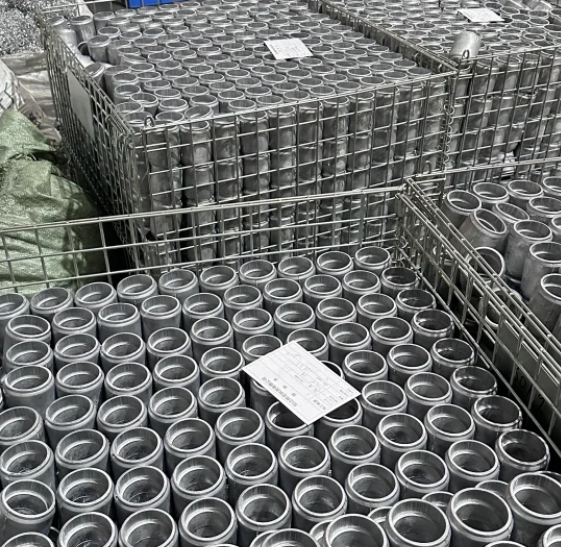
In the process of diversified industrial development, aluminum castings, as a key material, have demonstrated unique value in different fields. Notably, they have achieved seamless integration in the seemingly disparate industries of aviation and electronics.
II. The Suitability of Aluminum Castings in the Aviation Field
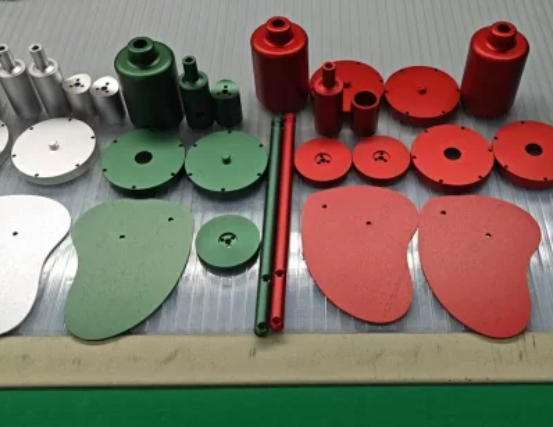
- High Strength and Lightweight
The aviation industry has strict requirements for material strength and weight. Aluminum castings have high strength, and their density is much lower than that of steel. This can effectively reduce the weight of aircraft, improving fuel efficiency and flight performance. For example, the use of aluminum castings in aircraft engine blades can reduce the overall weight while ensuring power output. - High - Temperature Resistance
Components such as aircraft engines operate at extremely high temperatures. Through special alloy formulations and heat - treatment processes, aluminum castings have good high - temperature resistance, meeting the requirements of the aviation field.
III. The Advantages of Aluminum Castings in the Electronics Field
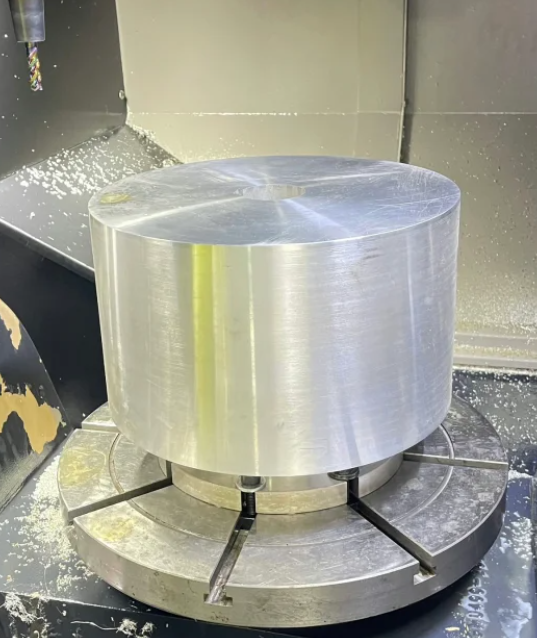
- Good Electrical Conductivity and Heat Dissipation
Electronic devices require materials with high - efficiency electrical conductivity and heat dissipation. Aluminum castings have good electrical conductivity, which can meet the needs of circuit conduction. Their excellent heat - dissipation performance can quickly dissipate the heat generated by electronic components, ensuring the stable operation of the device. For instance, many computer CPU radiators are made of aluminum castings. - Dimensional Accuracy and Stability
With the trend of miniaturization and precision in electronic devices, the casting process of aluminum castings can ensure high - precision dimensional tolerances, and their dimensions remain stable in different environments, which is in line with the production requirements of electronic components.
IV. The Technical Support for Aluminum Castings across Fields
- Advanced Casting Processes
Innovations in casting processes such as precision casting and die - casting have continuously improved the quality and performance of aluminum castings, enabling them to meet the complex shape and precision requirements of different fields. - Material Research and Optimization
By adding different alloying elements, the comprehensive properties of aluminum castings are optimized, allowing them to perform well in the extreme environments of aviation and the precision environments of electronics.
V. Conclusion
Aluminum castings, with their unique properties, have fully exploited their advantages in the aviation and electronics fields and achieved seamless integration through advanced technologies. In the future, with technological advancements, aluminum castings are expected to expand their applications in more fields, continuously driving industrial development.
Aluminum Castings: Pioneers of Environmental Protection Unlocking the New Code of Green Manufacturing
Aluminum Castings: Remolding the New Pattern of the Automotive Industry with Lightweight Advantages
Related Article

This article analyzes the prospects of the custom parts industry from three aspects: market demand, technological innovation, and challenges and opportunities, with specific cases to illustrate its development trends.
Analysis of the Prospects of the Custom Parts Industry
This article details CNC precision technology, covering its definition, applications in aerospace and electronics, advantages like high precision and automation, and its promising future in the manufacturing industry.
CNC Precision Technology: The Core Code of Modern Manufacturing and Its Infinite Potential
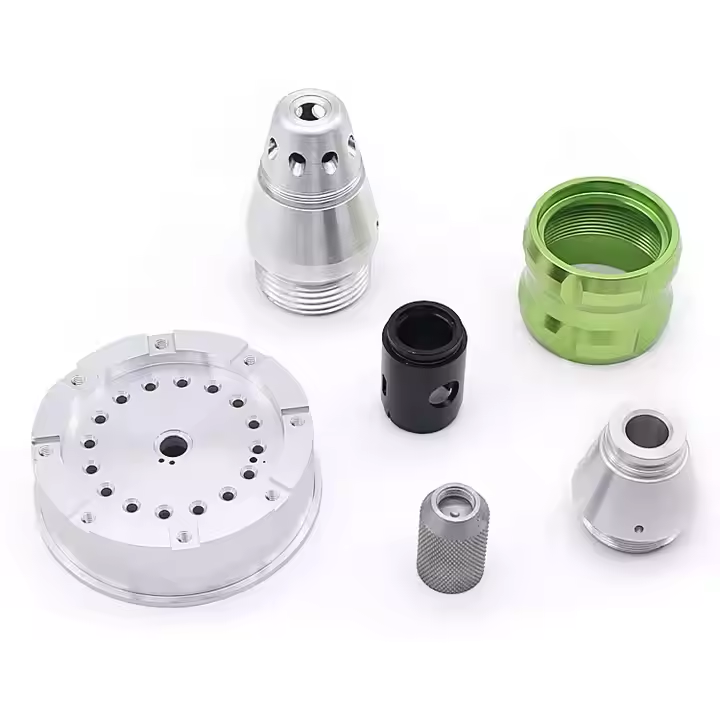
This part focuses on the shipbuilding industry, presenting a case of CNC technology application in the processing of large - scale ship propellers. It showcases how CNC technology addresses challenges in this field, improving processing efficiency and product quality, thus highlighting its significance in ship manufacturing.
CNC Technology Application Cases (Part 2)
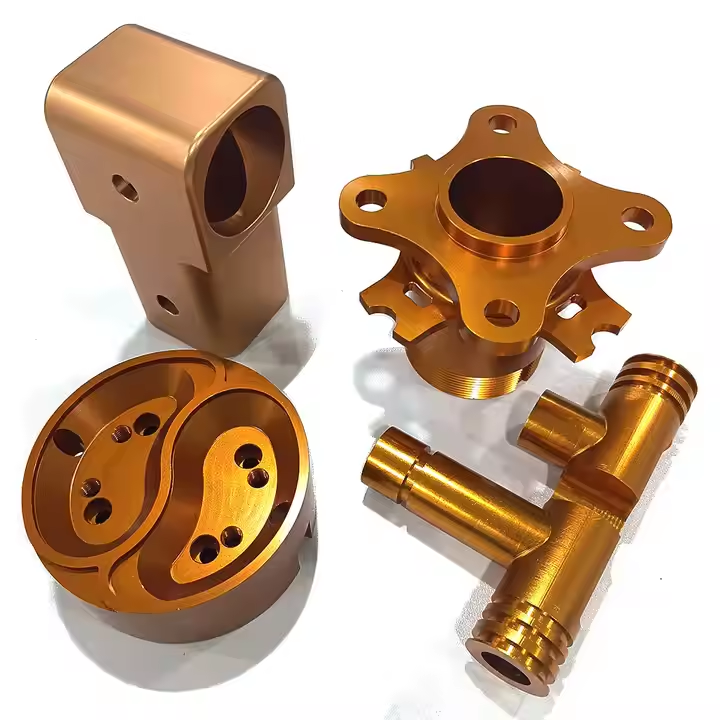
This article focuses on the medical device manufacturing and 3C product manufacturing fields. Through specific cases, it elaborates on the remarkable achievements of CNC technology in manufacturing complex and precise components and improving product quality, demonstrating its crucial role in related industries.
CNC Technology Application Cases (Part 1)