
In-depth analysis: Comparison of the advantages and disadvantages of CNC machining and 3D printing
author: DJ-03
2024-10-08
✨ In-depth analysis: Comparison of the advantages and disadvantages of CNC machining and 3D printing
✨ In modern manufacturing, CNC machining and 3D printing are both highly anticipated advanced technologies. Let's compare the advantages and disadvantages of these two technologies in depth to better understand their value in different application scenarios.✨
✨CNC machining:
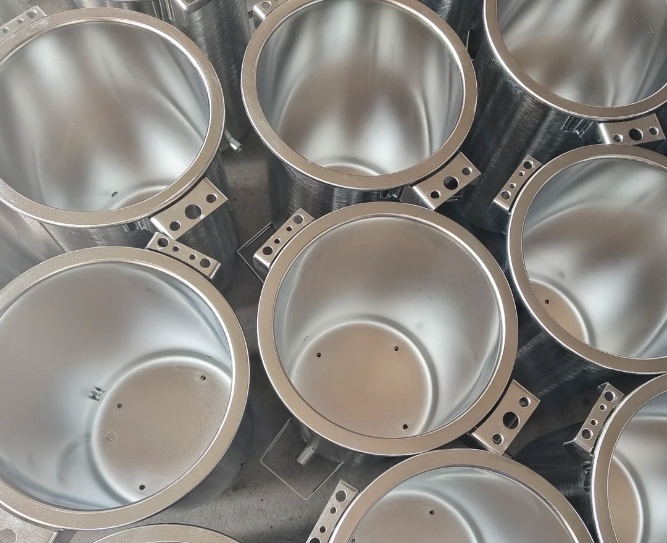
1.Advantages:
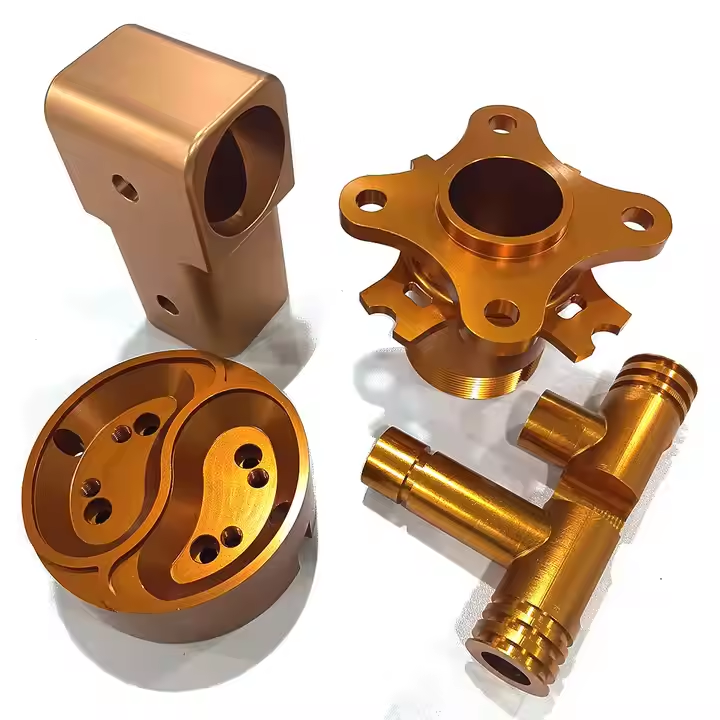
- High-precision manufacturing: CNC machining can achieve extremely high precision, and the error can usually be controlled within a very small range. This makes it irreplaceable in the fields of manufacturing precision parts, molds, etc. For those products with extremely high requirements for dimensional accuracy and surface quality, such as aerospace parts, medical devices, etc., CNC machining is the first choice.
- Wide material applicability: CNC machining can process a variety of materials, including metals (such as aluminum alloys, stainless steel, titanium alloys, etc.), plastics, wood, etc. Different materials can be selected according to specific needs to meet the special requirements of different industries.
- Suitable for mass production: For large-scale production, CNC machining is efficient and stable. Through programming and automated operation, continuous production can be achieved, production efficiency can be improved, and costs can be reduced.
- Good surface quality: The surface of CNC-processed parts is smooth and low in roughness, and can be used directly or with a small amount of subsequent processing. This is very important for some products with high requirements for appearance, such as electronic product housings, automotive parts, etc.
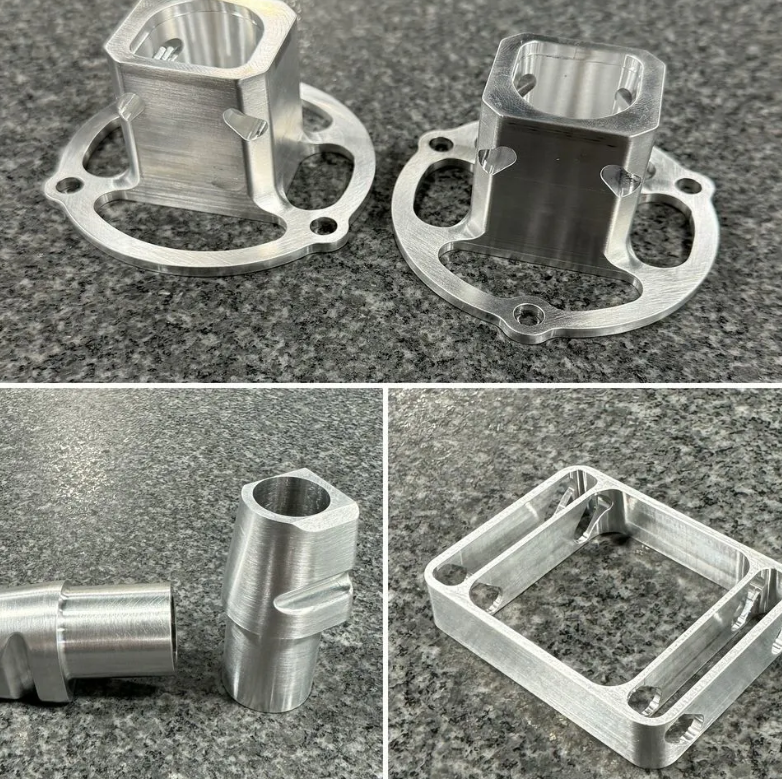
2.Disadvantages:
- Complex processing: CNC processing requires professional programming and operating skills, and has high requirements for operators. At the same time, tools such as tools and fixtures are required during the processing process, and the selection and use of these tools also require certain experience and skills.
- High cost: CNC processing equipment is expensive and has high maintenance costs. In addition, the consumption of materials such as tools and coolants during the processing process will also increase costs. For small-batch production or prototyping, the cost of CNC processing may be too high.
- Long processing time: For parts with complex shapes, CNC processing may take a long time. Especially when performing multi-process processing, the processing time will be further extended. This may not be applicable to some projects with high time requirements.
✨3D printing:

1.Advantages:
- High customization: 3D printing can be customized according to the specific needs of customers, without the need for molds, which greatly shortens the product development cycle. This has huge advantages in personalized medicine, customized consumer products and other fields.
- High design freedom: 3D printing can achieve very complex shapes and structures, without the limitations of traditional manufacturing processes. This allows designers to be more creative and design more unique products.
- Rapid prototyping: 3D printing can quickly produce product prototypes, helping designers and engineers verify the feasibility of design solutions in a short time. This is very important for the development and innovation of new products.
- Low cost for small batch production: For small batch production, the cost of 3D printing is relatively low. Since there is no need for molds and a large amount of processing equipment, 3D printing can complete small batch production in a short time, reducing production costs.

2.Disadvantages:
- Limited material performance: At present, the material performance of 3D printing is still a certain distance away from traditional materials. For example, strength, durability, heat resistance and other aspects may not be as good as metal materials. This limits the application of 3D printing in some fields that require high material performance.
- Poor surface quality: The surface of 3D printed parts is usually rough and requires subsequent processing to achieve good surface quality. This increases the complexity and cost of production.
- Low production efficiency: For large-scale production, the efficiency of 3D printing is relatively low. Although 3D printing technology is constantly improving, it is currently not comparable to traditional large-scale production methods.
✨In summary, CNC machining and 3D printing each have their own advantages and disadvantages. In practical applications, the appropriate manufacturing technology should be selected according to specific needs. For high-precision, mass-produced projects, CNC machining may be a better choice; while for personalized customization, rapid prototyping and small-batch production projects, 3D printing has greater advantages. With the continuous development of technology, I believe that these two technologies will play a more important role in the future manufacturing industry.✨
What is Sheet Metal Processing?
The Role of CNC Machining
Related Article

This article analyzes the prospects of the custom parts industry from three aspects: market demand, technological innovation, and challenges and opportunities, with specific cases to illustrate its development trends.
Analysis of the Prospects of the Custom Parts Industry
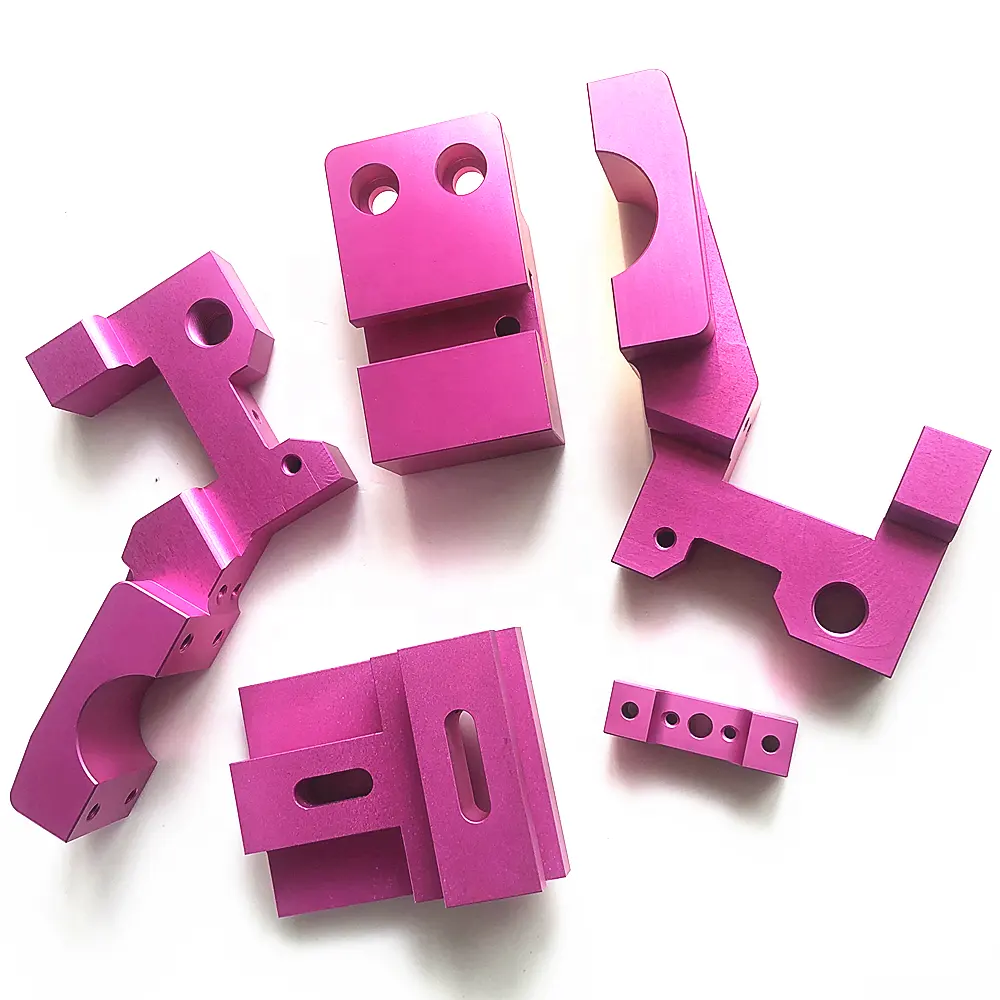
This article details CNC precision technology, covering its definition, applications in aerospace and electronics, advantages like high precision and automation, and its promising future in the manufacturing industry.
CNC Precision Technology: The Core Code of Modern Manufacturing and Its Infinite Potential
This part focuses on the shipbuilding industry, presenting a case of CNC technology application in the processing of large - scale ship propellers. It showcases how CNC technology addresses challenges in this field, improving processing efficiency and product quality, thus highlighting its significance in ship manufacturing.
CNC Technology Application Cases (Part 2)
This article focuses on the medical device manufacturing and 3C product manufacturing fields. Through specific cases, it elaborates on the remarkable achievements of CNC technology in manufacturing complex and precise components and improving product quality, demonstrating its crucial role in related industries.
CNC Technology Application Cases (Part 1)