
Common surface treatments for CNC metal processing
author: DJ-02
2024-09-24
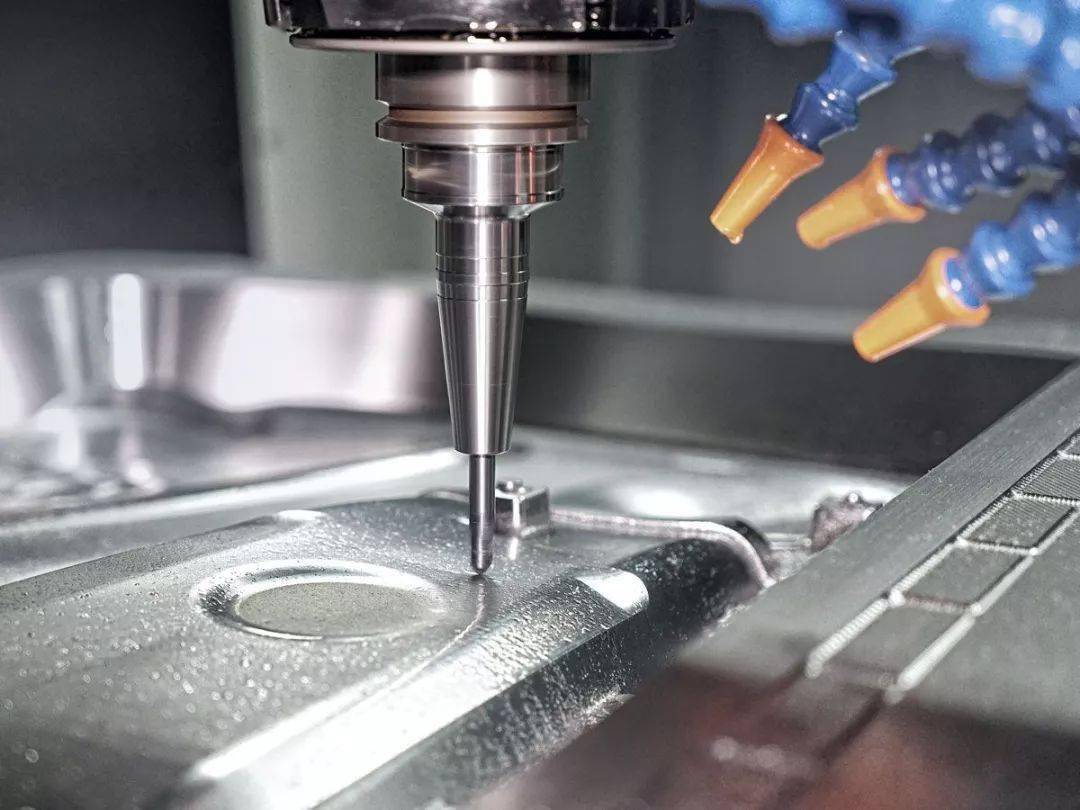
Surface processing of metal parts:
1. Anodizing processing: When the prototype processing factory produces prototype metal finished products (mainly aluminum parts), it uses anodizing processing to make the surface of the metal product hard and not easy to be worn.
2. Spray painting: The prototype processing plant adopts spray painting when producing large metal products. Spray painting can prevent metal parts from rusting, such as daily necessities, electrical appliance shells, handicrafts, etc.
3. Electroplating: Electroplating is also the most common processing technology for metal processing. The surface of metal parts is electroplated through modern technology to ensure that the product will not be moldy and rusted after long-term use. Common electroplating processes include screws, stamping parts, battery cells, car parts, small accessories, etc.
4. Surface polishing: Surface polishing is generally used for daily necessities. For example, we produce a comb, which is a metal part made by stamping. The corners of the stamped comb are very sharp. We have to polish the sharp corners into a smooth surface, so that it will not cause harm to the human body during use.

The processing method of the surface of CNC machined parts depends first on the technical requirements of the processing surface. However, it should be noted that these technical requirements are not necessarily the requirements specified in the part drawing. Sometimes they may be higher than the requirements on the part drawing in some aspects due to process reasons, such as increasing the processing requirements for the surface of some CNC machined parts due to the non-coincidence of the datum, or higher processing requirements may be imposed on them due to being used as a precision datum.
After the technical requirements of the surface of each CNC machined part are clarified, the final processing method that can guarantee the requirements can be selected accordingly, and the number of steps and the processing methods of each step can be determined. The selected CNC machined part processing method should meet the requirements of part quality, good processing economy and high production efficiency. To this end, the following factors should be considered when selecting a processing method:
1. There is a considerable range of processing accuracy and surface roughness that can be obtained by any CNC processing method, but it is only economical in a narrow range. The processing accuracy in this range is the economic processing accuracy. To this end, when selecting a processing method, the corresponding processing method that can obtain economic processing accuracy should be selected.
2. Consider the properties of the CNC machined part material.
3. Consider the structural shape and size of the CNC machined part.
4. Consider productivity and economic requirements. When mass-producing in large quantities, high-efficiency advanced processes should be adopted. It can even fundamentally change the manufacturing method of blanks and reduce the labor of mechanical processing.
5. Consider the existing equipment and technical conditions of the factory or workshop. When choosing a processing method, make full use of existing equipment, tap the potential of the enterprise, and give full play to the enthusiasm and creativity of workers. However, it is also necessary to consider continuously improving existing processing methods and equipment, adopting new technologies and improving the process level.
Angle Cleaning in Metal Surface Treatment
Metal surface treatment process - grinding
Related Article

This article analyzes the prospects of the custom parts industry from three aspects: market demand, technological innovation, and challenges and opportunities, with specific cases to illustrate its development trends.
Analysis of the Prospects of the Custom Parts Industry
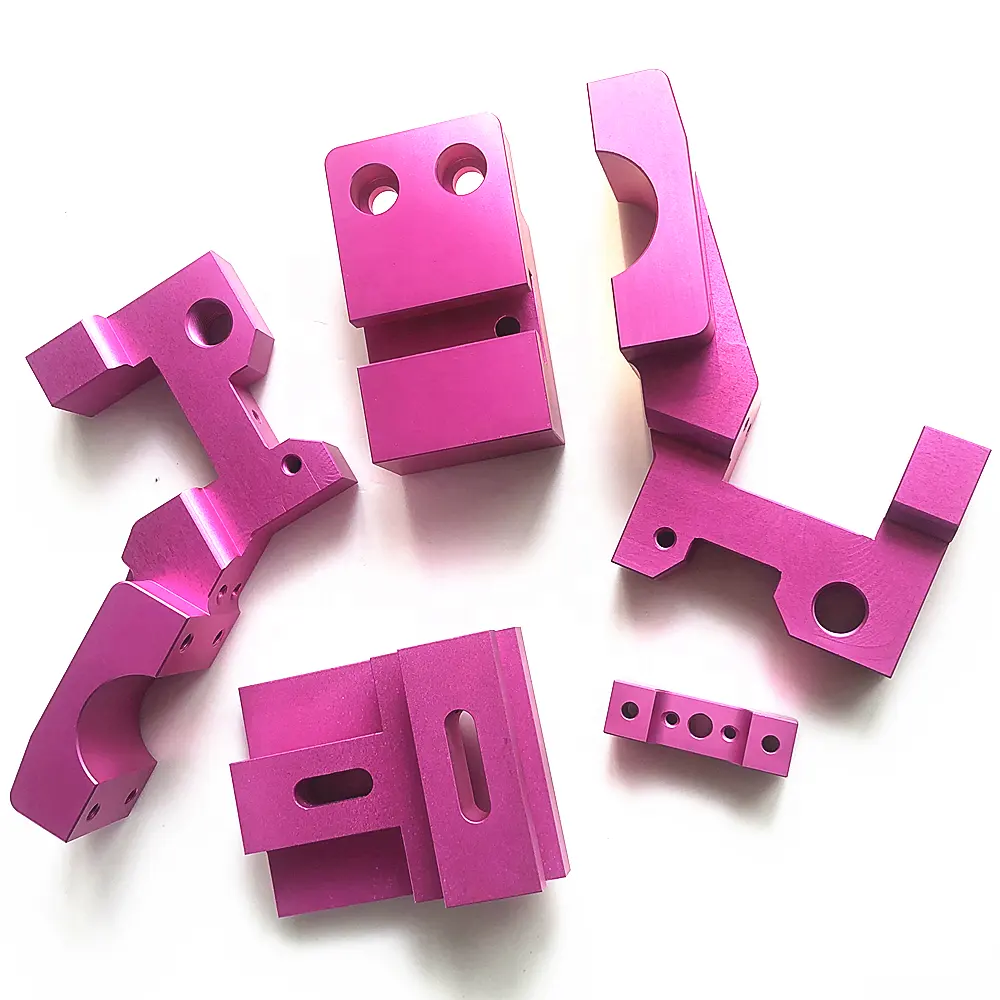
This article details CNC precision technology, covering its definition, applications in aerospace and electronics, advantages like high precision and automation, and its promising future in the manufacturing industry.
CNC Precision Technology: The Core Code of Modern Manufacturing and Its Infinite Potential
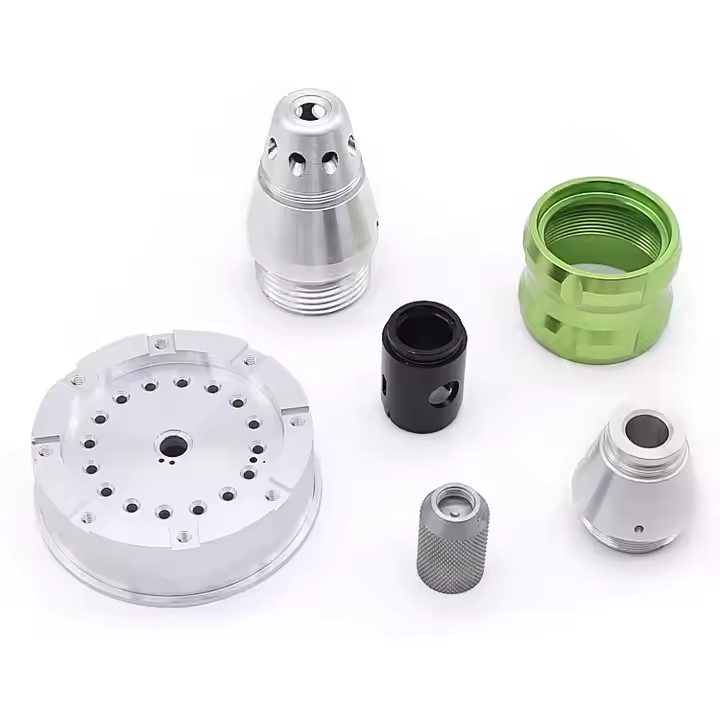
This part focuses on the shipbuilding industry, presenting a case of CNC technology application in the processing of large - scale ship propellers. It showcases how CNC technology addresses challenges in this field, improving processing efficiency and product quality, thus highlighting its significance in ship manufacturing.
CNC Technology Application Cases (Part 2)
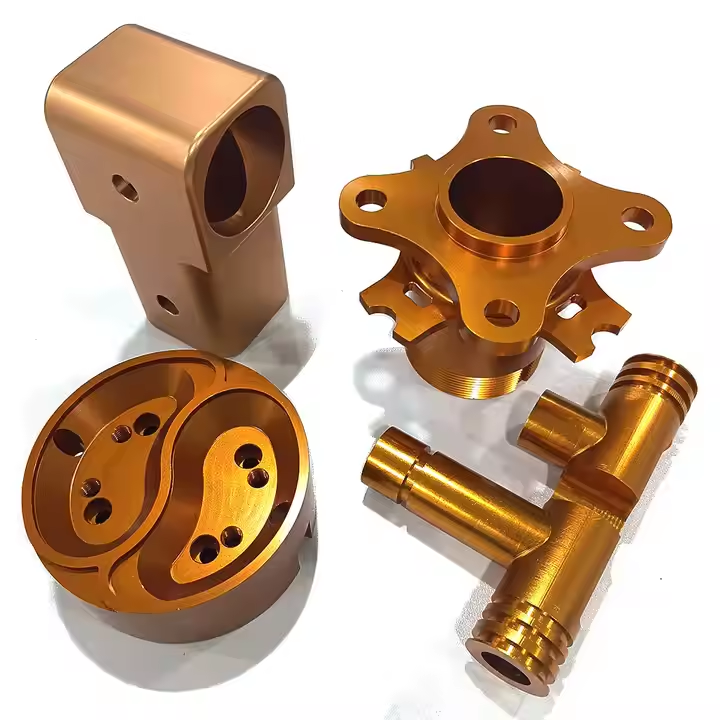
This article focuses on the medical device manufacturing and 3C product manufacturing fields. Through specific cases, it elaborates on the remarkable achievements of CNC technology in manufacturing complex and precise components and improving product quality, demonstrating its crucial role in related industries.
CNC Technology Application Cases (Part 1)