
Machining processing steps
author: dj-04
2024-10-09
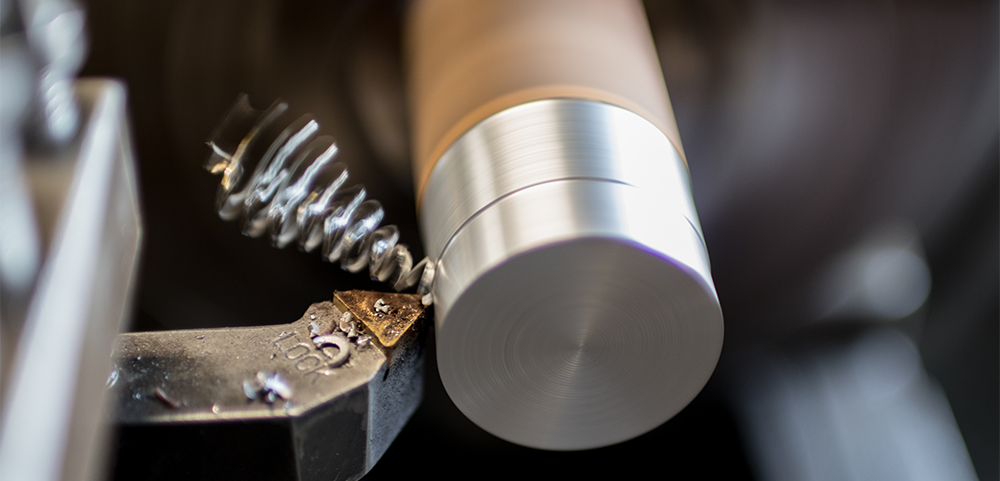
Machining processing steps
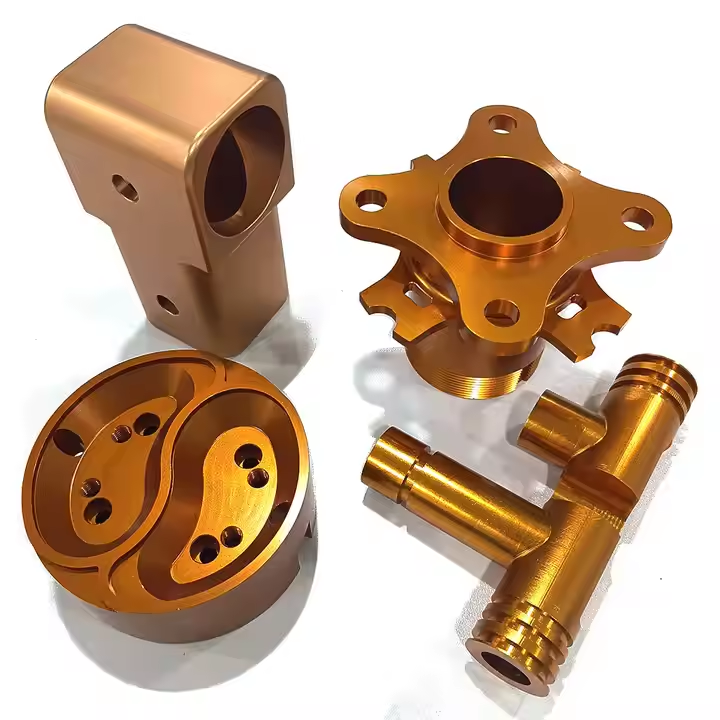
Machining is the process of changing the shape and size of the workpiece by removing excess material. In modern manufacturing, machining is widely used in various fields, such as automobile manufacturing, aerospace, and electronics. The following is a detailed introduction to the production process of machining.
1. Preparation of raw materials
The first step of machining is to prepare raw materials. The selection of raw materials should be based on the requirements and characteristics of the product, and generally, factors such as the mechanical properties, corrosion resistance, and processing performance of the material should be considered. After preparing the raw materials, the material should be pre-treated, such as cleaning and deburring, to ensure that the processing process goes smoothly.
2. Process design
Process design is an important link in machining production and determines the efficiency and accuracy of the entire machining process. Process design should consider multiple factors, such as the shape and size of the workpiece, the nature of the material, and the requirements for processing accuracy. When designing the process, it is necessary to select the appropriate processing method, cutting parameters, and processing route according to the actual situation.
3. Clamping the workpiece
Clamping the workpiece is an important link in the machining process and directly affects the processing accuracy and efficiency. The purpose of clamping the workpiece is to fix the workpiece on the machine tool to ensure stability and accuracy during the machining process. When clamping the workpiece, it is necessary to select an appropriate fixture and clamping method according to the shape and size of the workpiece to ensure the positioning accuracy and stability of the workpiece.
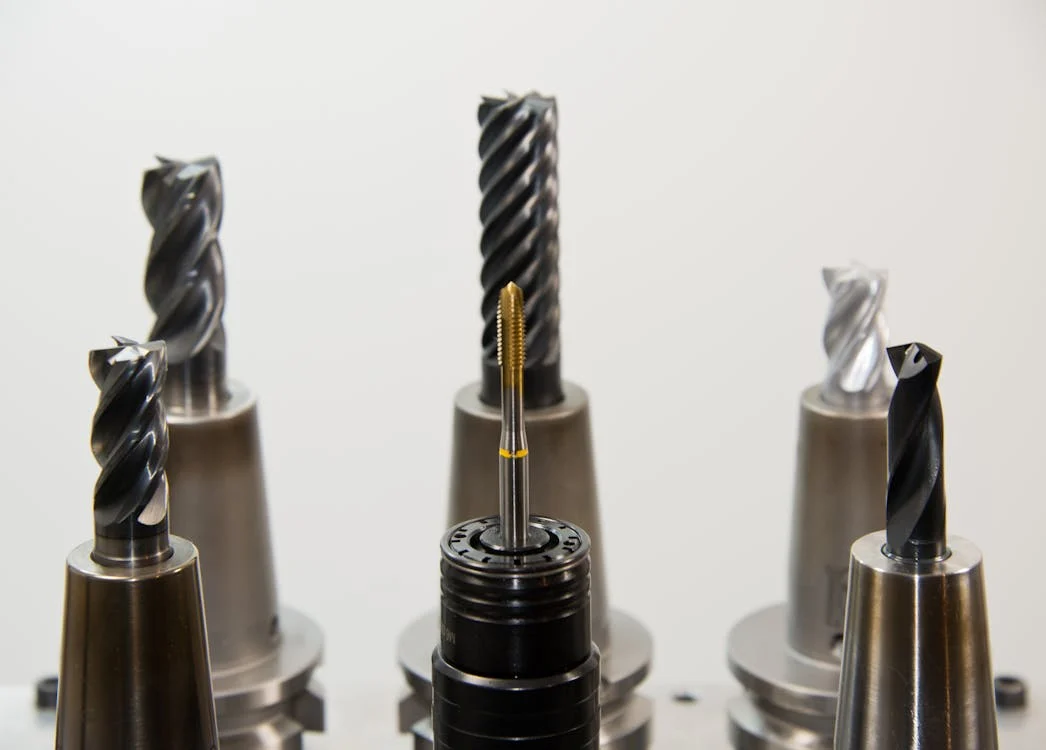
4. Cutting
Cutting is the core link of machining. It removes excess material through the relative movement of the tool and the workpiece to achieve the required shape and size. There are various methods for cutting, such as turning, milling, drilling, grinding, etc. When selecting a cutting method, various factors should be considered according to the actual situation, such as the material, shape and size of the workpiece, and the requirements for machining accuracy.
5. Inspection and quality control
Inspection and quality control are also important links in the machining production process and directly affect the quality and performance of the product. In the inspection and quality control link, it is necessary to detect and measure the workpiece using various measuring instruments to ensure that the size and shape of the workpiece meet the design requirements. At the same time, it is also necessary to analyze and address quality problems in the machining process to ensure the quality and performance of the product.
6. Subsequent processing
Subsequent processing is the last link in the machining production process, and includes operations such as cleaning, deburring, and heat treatment. The purpose of subsequent processing is to further improve the quality and performance of the product to meet the usage requirements. In subsequent processing, it is necessary to select appropriate processing methods and equipment according to the actual situation to ensure the processing effect and quality.
Summary
In short, the production step of machining is a complete process, from the preparation of raw materials to subsequent processing, and each link has a direct impact on the quality and performance of the product. In the actual production process, it is necessary to strictly adhere to the process requirements and operating procedures to ensure the stability and accuracy of the machining process. At the same time, it is also necessary to continuously research and explore new processing methods and processing routes to improve production efficiency and quality and meet the ever-changing market needs.
Advantages of sheet metal processing
The development history of CNC machine tools
Related Article

This article analyzes the prospects of the custom parts industry from three aspects: market demand, technological innovation, and challenges and opportunities, with specific cases to illustrate its development trends.
Analysis of the Prospects of the Custom Parts Industry
This article details CNC precision technology, covering its definition, applications in aerospace and electronics, advantages like high precision and automation, and its promising future in the manufacturing industry.
CNC Precision Technology: The Core Code of Modern Manufacturing and Its Infinite Potential
This part focuses on the shipbuilding industry, presenting a case of CNC technology application in the processing of large - scale ship propellers. It showcases how CNC technology addresses challenges in this field, improving processing efficiency and product quality, thus highlighting its significance in ship manufacturing.
CNC Technology Application Cases (Part 2)
This article focuses on the medical device manufacturing and 3C product manufacturing fields. Through specific cases, it elaborates on the remarkable achievements of CNC technology in manufacturing complex and precise components and improving product quality, demonstrating its crucial role in related industries.
CNC Technology Application Cases (Part 1)