
CNC machining complex parts
author: DJ-01
2024-09-09

What is a complex part?
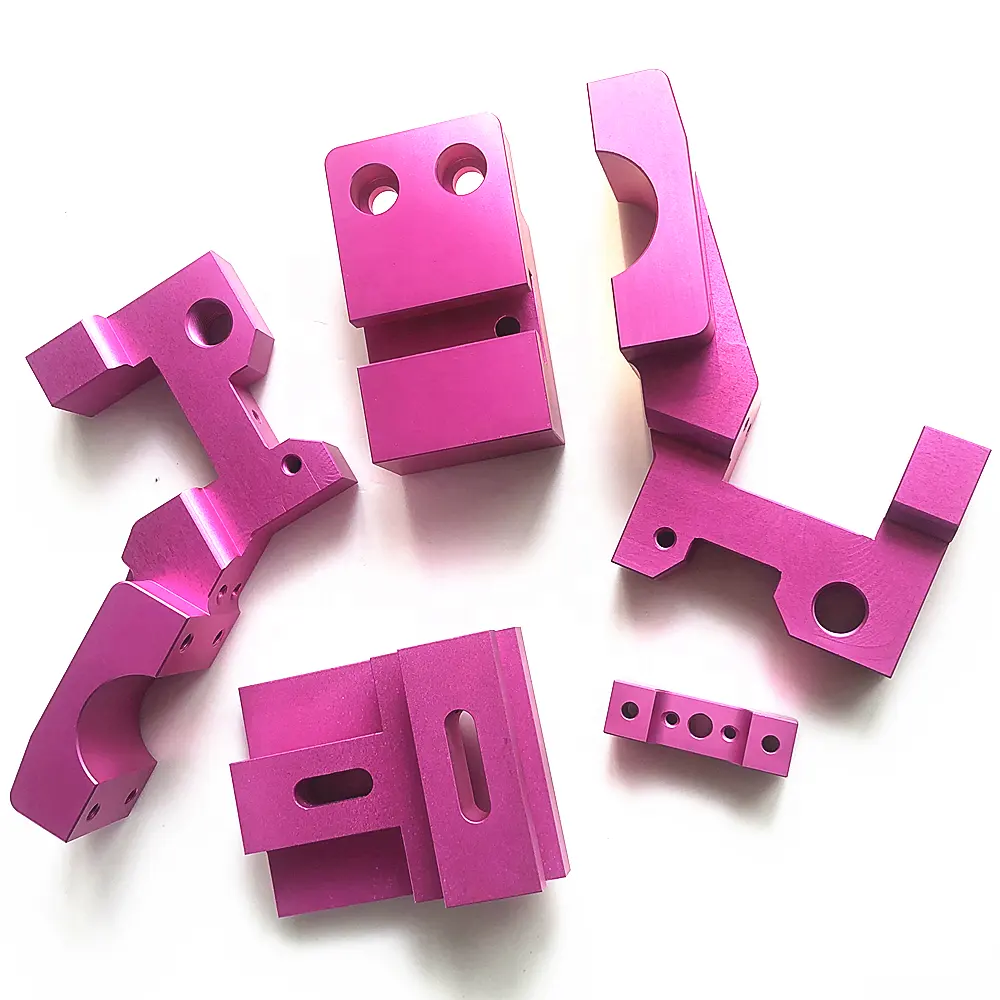
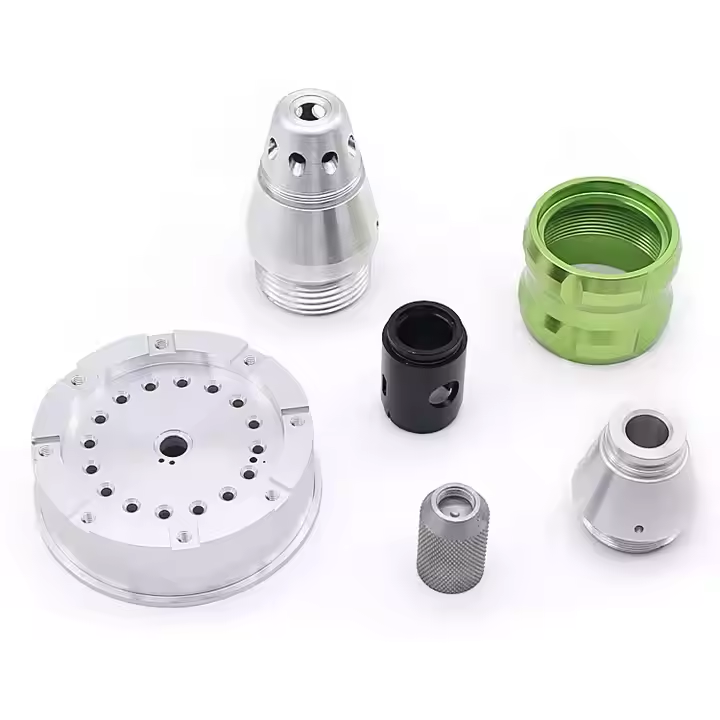
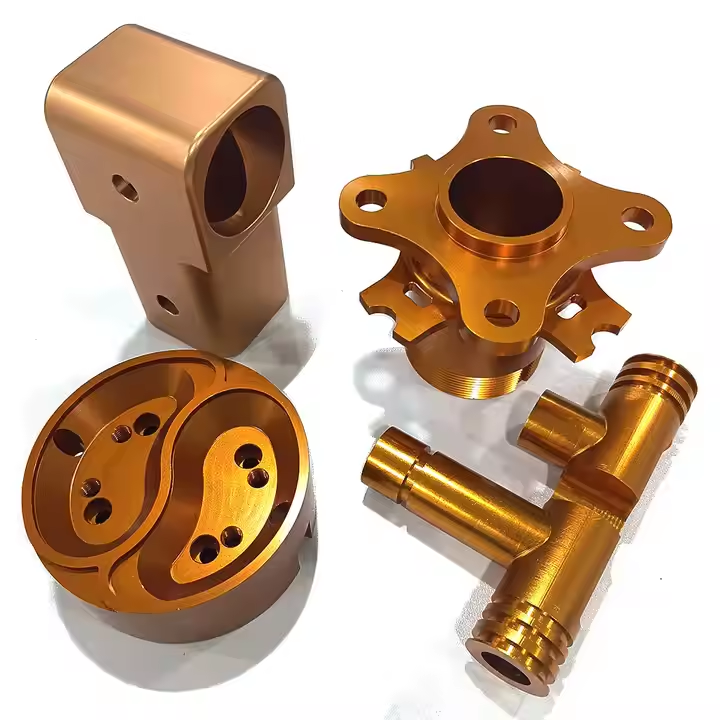
Complexity is a key consideration in CNC part manufacturing because it is one of the biggest cost and lead time drivers - after all, complex parts require more skill and time. What makes a part complex? You may have tried to reduce complexity, or you may be trying to figure out how complex a part is. In general, complexity depends on part size, weight, non-standard features, tolerances, wall thickness, surface curvature, and part finish. Understanding the complexity of a part is not simple.

Why use CNC machining to make complex parts?
To understand why CNC machining is suitable for manufacturing complex parts, we must first understand the capabilities of modern manufacturing technology. Most CNC machines have been around for decades, and improvements in efficiency and operation have increased the ability of CNC machining to make complex parts.CNC machines are well suited to making complex parts for a number of reasons, including their operation, tolerances, and surface finish capabilities.
Machine Cutting Axis
The capabilities of your machine determine the complexity of CNC cutting. Modern CNC technology allows for multiple axes of rotation and translation. This allows for the machining of highly complex features.
For example, a 5-axis machine can cut angles that a 3-axis machine cannot accommodate. Part manufacturing often requires multiple setups to machine all the features on a part. But with higher axis capabilities, we can reduce the number of setups and increase the potential for manufacturing highly complex CNC parts. And different variants of CNC milling can maintain design consistency.

Cutting tools and part features
The way a part is designed determines the level of complexity required to manufacture it. Yes, multi-axis machines can machine complex parts, but you also need to manufacture them cost-effectively. Using standard sized cutting tools whenever possible is a key way to manage costs.
Carbide and ceramic-coated tools are two of the best choices for CNC-machining parts, even the most complex ones, because they can cut hardened materials and are suitable for high-speed machining applications. However, these types of tools are expensive - so product development teams must determine if a high-complexity feature is truly necessary to justify the additional manufacturing requirements and costs.
Tolerances and surface finishes
Tight tolerances and surface finishes are key attributes of custom machined parts, which can add to the complexity of the part. The complexity of the part is determined by the geometry and dimensions as well as the precision and accuracy with which the part is machined.

Work Holding
The complexity of a CNC machined part often depends on the quality and capabilities of the fixtures and jigs available. The fundamentals of stackup analysis can further explain how the quality of a fixture controls machining capability. However, design engineers must consider how the part is held within the machine, especially for highly complex designs.
In CNC machining, part fixturing is successful when all fixtures and machining tools are securely fastened to the CNC machine, and the rigidity of the CNC machining setup is critical to ensuring the precision and accuracy of the finished product.
If you want to know more about CNC machining parts, don't hesitate to contact us!
High-quality CNC plastic parts
Why Choose us as your CNC supplier?
Related Article

This article analyzes the prospects of the custom parts industry from three aspects: market demand, technological innovation, and challenges and opportunities, with specific cases to illustrate its development trends.
Analysis of the Prospects of the Custom Parts Industry
This article details CNC precision technology, covering its definition, applications in aerospace and electronics, advantages like high precision and automation, and its promising future in the manufacturing industry.
CNC Precision Technology: The Core Code of Modern Manufacturing and Its Infinite Potential
This part focuses on the shipbuilding industry, presenting a case of CNC technology application in the processing of large - scale ship propellers. It showcases how CNC technology addresses challenges in this field, improving processing efficiency and product quality, thus highlighting its significance in ship manufacturing.
CNC Technology Application Cases (Part 2)
This article focuses on the medical device manufacturing and 3C product manufacturing fields. Through specific cases, it elaborates on the remarkable achievements of CNC technology in manufacturing complex and precise components and improving product quality, demonstrating its crucial role in related industries.
CNC Technology Application Cases (Part 1)