
Characteristics of CNC machining process
author: DJ-01
2024-10-10
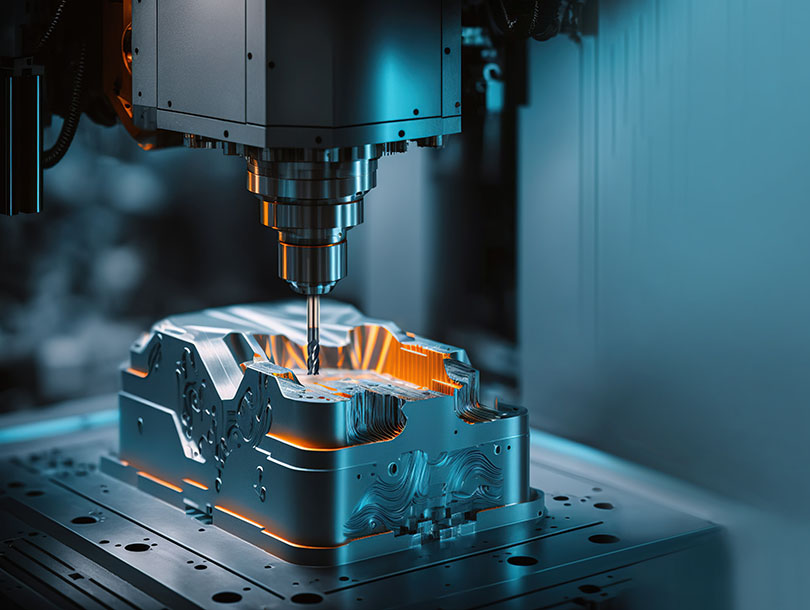
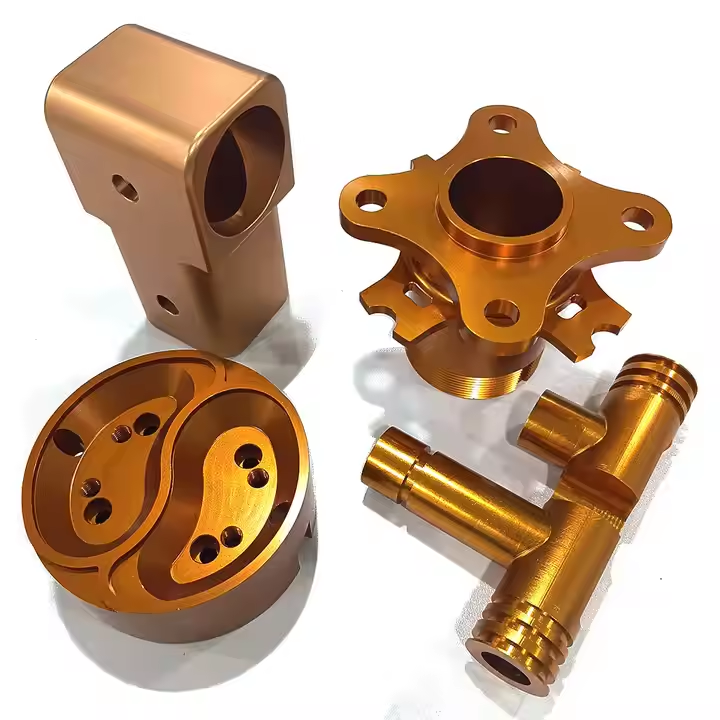
CNC (Computer Numerical Control) machining processes adhere to the principles of traditional machining, with many similarities to general machine tool processes. However, due to its utilization of computer control technology, CNC machining offers automated processing, resulting in high efficiency and precision. This technology has its own unique characteristics, with a more intricate and detailed step-by-step arrangement.
The CNC machining process encompasses various aspects such as tool selection, determination of cutting parameters, cutting process route design, and more. It serves as the foundation and core of CNC programming, as only a well-structured process can lead to the development of a high-efficiency and high-quality CNC program. The effectiveness of a CNC program is often measured by criteria such as minimum processing time, minimal tool loss, and achieving the best results for the workpiece.
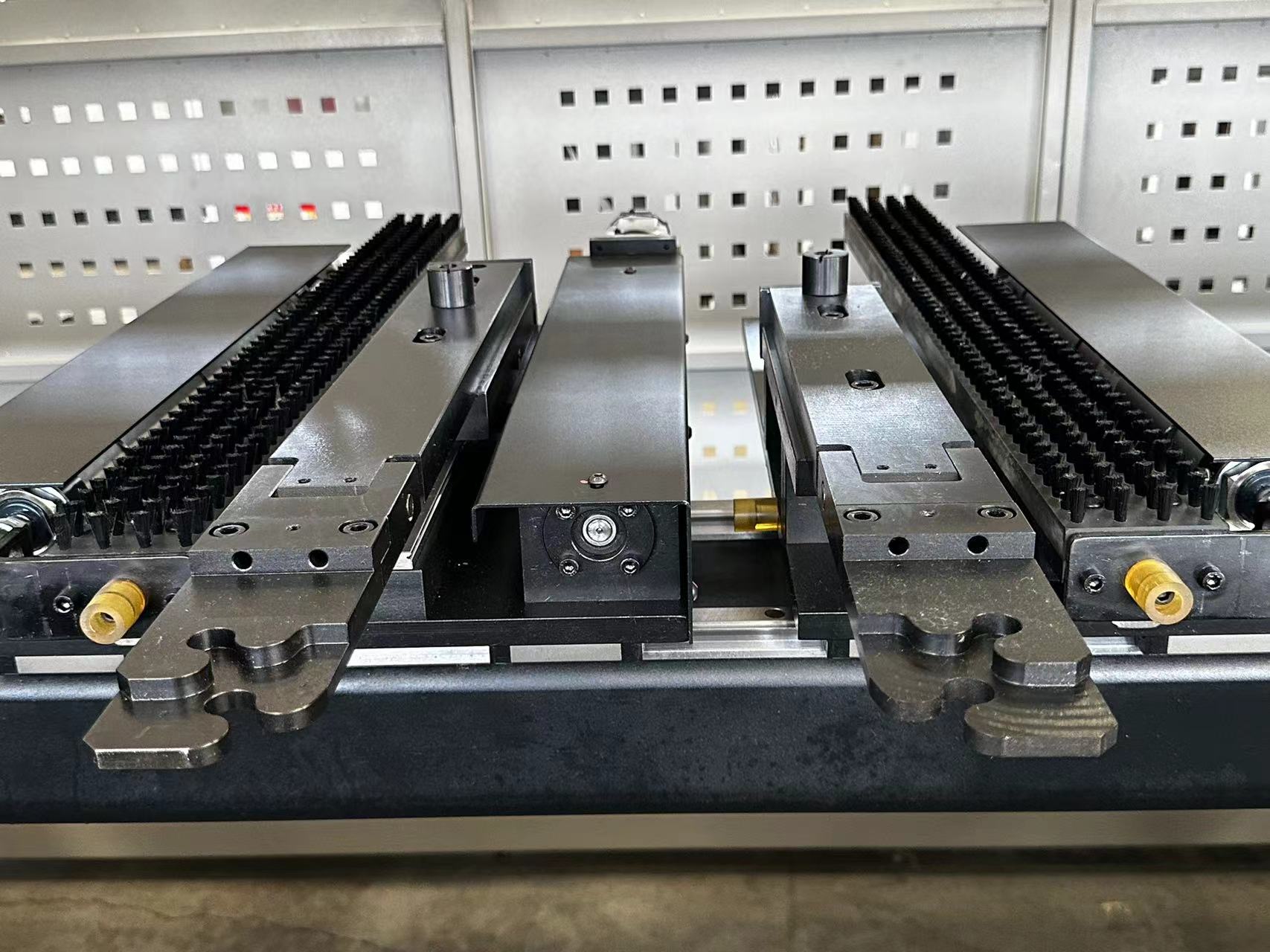
Furthermore, CNC machining is an integral part of the overall workpiece machining process, often serving as a crucial step in the entire manufacturing process. It is essential for CNC machining to seamlessly integrate with preceding and subsequent processes to ensure that the ultimate requirements for machine or mold assembly are met, ultimately producing qualified parts.
Typically, the CNC machining process is divided into several key steps including roughing, medium roughness clear angle machining, semi-finishing, and finishing. Each step plays a vital role in achieving the desired outcome for the workpiece.
Surface treatment of prototypes: the difference between spray painting and powder spraying
Advantages of sheet metal processing
Related Article

This article analyzes the prospects of the custom parts industry from three aspects: market demand, technological innovation, and challenges and opportunities, with specific cases to illustrate its development trends.
Analysis of the Prospects of the Custom Parts Industry
This article details CNC precision technology, covering its definition, applications in aerospace and electronics, advantages like high precision and automation, and its promising future in the manufacturing industry.
CNC Precision Technology: The Core Code of Modern Manufacturing and Its Infinite Potential
This part focuses on the shipbuilding industry, presenting a case of CNC technology application in the processing of large - scale ship propellers. It showcases how CNC technology addresses challenges in this field, improving processing efficiency and product quality, thus highlighting its significance in ship manufacturing.
CNC Technology Application Cases (Part 2)
This article focuses on the medical device manufacturing and 3C product manufacturing fields. Through specific cases, it elaborates on the remarkable achievements of CNC technology in manufacturing complex and precise components and improving product quality, demonstrating its crucial role in related industries.
CNC Technology Application Cases (Part 1)