
Laser Carving: A New Technological Chapter in Metal Art
author: DJ-03
2024-09-27
Laser Carving: A New Technological Chapter in Metal Art
In the surface treatment of metals, laser engraving technology is like a magical key, unlocking unlimited creative and personalized possibilities for metal materials. This technology utilizes high-energy laser beams, like fine paintbrushes, to draw stunning patterns, text, or complex shapes on metal surfaces, endowing metals with new vitality and visual impact. Next, let's delve into the charm of laser engraving technology together.
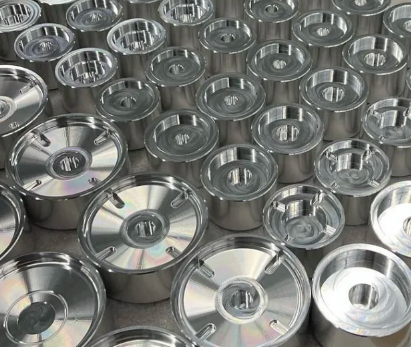
1、 Technical principles and advantages
- Technical principle: Laser engraving uses a high-energy density laser beam to irradiate the metal surface, and through local heating, the metal surface material is instantly melted, vaporized, or undergoes chemical changes, thereby forming the desired patterns, text, or complex shapes on the metal.
- Significant advantages:
- High precision: Laser engraving technology can achieve micrometer level processing accuracy, meeting the extremely high requirements for details in application scenarios.
- Non contact processing: The laser beam does not directly contact the metal surface, avoiding mechanical stress damage to the material and protecting its integrity and performance.
- Wide applicability: Suitable for various metal materials such as stainless steel, aluminum alloy, copper, iron, etc., and gradually extended to the processing of non-metallic materials.
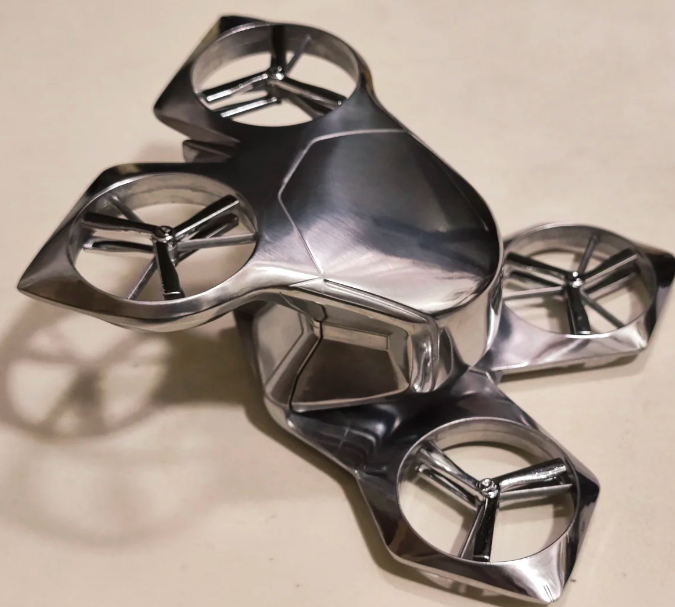
2、 Environmental Protection and Efficiency
- Environmental friendliness: Laser engraving process does not require the use of chemical reagents or harmful materials, reducing environmental pollution and complying with the concept of green production.
- High efficiency: Laser engraving has a fast speed, which can significantly shorten the production cycle, improve production efficiency, and meet the needs of modern industry for fast response and efficient production.
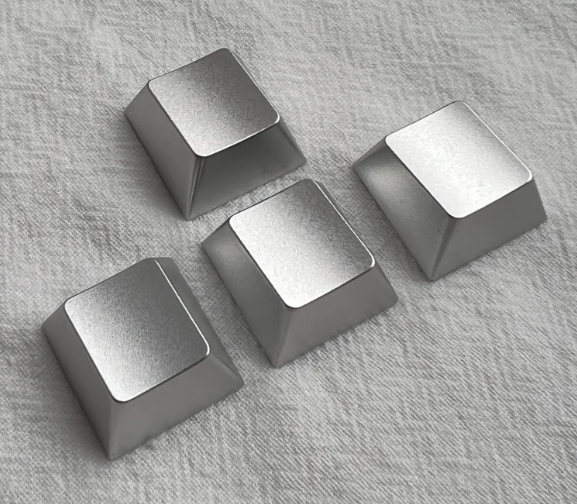
3、 Application Fields and Effects
- Application areas:
- Jewelry: Adding unique design and personalized elements to jewelry.
- Clock manufacturing: Carving intricate patterns on the case and dial to enhance the artistic value and ornamental value of the product.
- Automotive parts: Brand identification or decorative carving on components such as wheels and exhaust pipes.
- Electronic products: Carving patterns or serial numbers on the shells of mobile phones, tablets, and other devices to enhance product recognition and anti-counterfeiting capabilities.
2.Effect display: Laser engraving technology can create delicate, clear, and long-lasting patterns and text, adding unique visual beauty and added value to products. At the same time, laser engraved patterns and text are not easily worn out, and have good durability and stabili
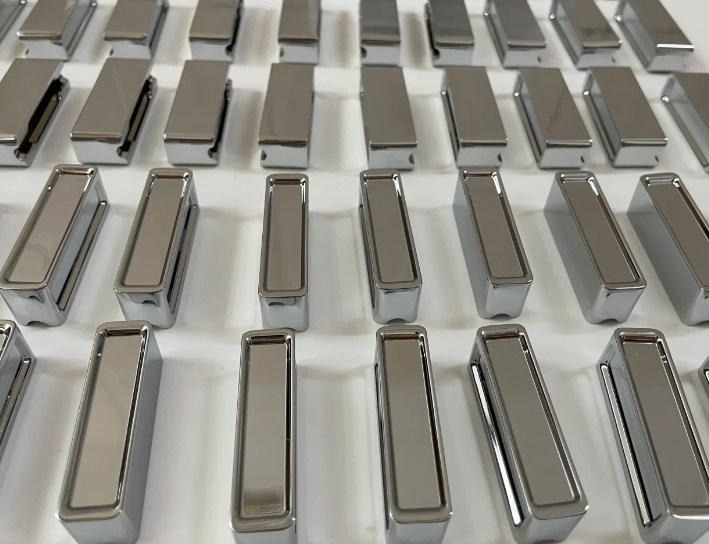
4、 Future Development Trends
With the continuous advancement of laser technology and the gradual reduction of costs, the application of laser engraving technology in the field of metal surface treatment will become more extensive and in-depth. In the future, laser engraving technology is expected to develop towards higher precision, efficiency, and environmental friendliness, providing innovative solutions and value-added services for more industries. Meanwhile, with the increasing demand for intelligent manufacturing and personalized customization, laser engraving technology will also become an important force in promoting industrial upgrading and transformation.
Plating and Electroplating Powder Coating
Mirror polishing of CNC aluminum processing: the brilliant art of surface treatment
Related Article

This article analyzes the prospects of the custom parts industry from three aspects: market demand, technological innovation, and challenges and opportunities, with specific cases to illustrate its development trends.
Analysis of the Prospects of the Custom Parts Industry
This article details CNC precision technology, covering its definition, applications in aerospace and electronics, advantages like high precision and automation, and its promising future in the manufacturing industry.
CNC Precision Technology: The Core Code of Modern Manufacturing and Its Infinite Potential
This part focuses on the shipbuilding industry, presenting a case of CNC technology application in the processing of large - scale ship propellers. It showcases how CNC technology addresses challenges in this field, improving processing efficiency and product quality, thus highlighting its significance in ship manufacturing.
CNC Technology Application Cases (Part 2)
This article focuses on the medical device manufacturing and 3C product manufacturing fields. Through specific cases, it elaborates on the remarkable achievements of CNC technology in manufacturing complex and precise components and improving product quality, demonstrating its crucial role in related industries.
CNC Technology Application Cases (Part 1)