
Mirror polishing of CNC aluminum processing: the brilliant art of surface treatment
author: DJ-02
2024-09-26
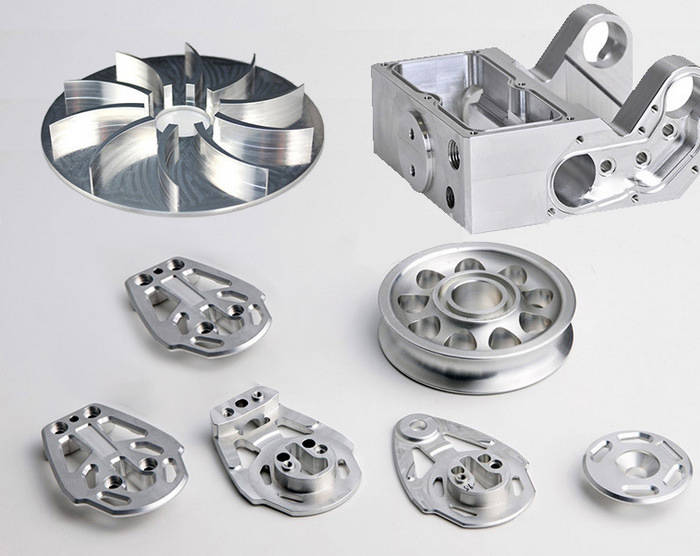
In modern manufacturing, surface treatment is one of the key steps to give products beauty and texture. Aluminum alloys are widely used in aviation, automobiles, electronics and other fields due to their excellent properties such as light weight, high strength and corrosion resistance.
In order to further improve the appearance quality of aluminum alloy products, the mirror polishing process in aluminum alloy processing has become the focus of attention.

01. The importance of aluminum surface treatment
During the manufacturing process, aluminum alloys may be affected by processes such as extrusion, casting or cutting, and the surface may have defects, oxide layers or mechanical processing marks. These surface defects not only affect the appearance of the product, but also may reduce its corrosion resistance and mechanical properties.
Therefore, through surface treatment methods, the surface of aluminum alloys is made smoother and brighter, which is not only beautiful, but also helps to improve its wear resistance and corrosion resistance.
Therefore, through surface treatment methods, the surface of aluminum alloys is made smoother and brighter, which is not only beautiful, but also helps to improve its wear resistance and corrosion resistance.
02. Aluminum polishing process
Polishing is a surface treatment method that improves the surface finish by abrasive particles in friction and friction. For aluminum alloys, polishing can not only remove surface defects, but also create a surface with a mirror-like gloss.
Aluminum alloy polishing usually includes the following steps:
a. Pretreatment Before polishing
The aluminum alloy surface must be properly pretreated. This may include removing the oxide layer, cleaning oil and impurities to ensure that surface defects can be effectively treated during the polishing process.
b. Rough grinding
Rough grinding is the first step of polishing, which removes surface roughness and defects by using abrasives with larger abrasive particles. This step is designed to quickly flatten the surface and create conditions for subsequent polishing processes.
c. Polishing
The polishing stage is to gradually grind the surface of the aluminum alloy to make it smoother. Usually, abrasives with gradually smaller particles are used to gradually improve the gloss of the surface through mechanical or chemical polishing.
d. Final treatment
After polishing reaches a certain stage, final treatment can be carried out, using extremely fine abrasives or polishing pastes to further improve the brightness and finish of the surface.

03. Application of polished aluminum
The surface of polished aluminum alloy usually has a mirror-like brightness, which makes it widely used in many fields:
a. Auto parts In automobile manufacturing, polished aluminum alloy is usually used to manufacture body trims, wheels and other parts. Its high finish and beauty provide a unique appeal to the appearance of the car.
b. Household items Polished aluminum alloy is common in household items, such as kitchen utensils, furniture frames, etc. These products not only have a noble appearance, but are also easy to clean and maintain.
c. Aerospace field In the aerospace field, polished aluminum alloy is used to manufacture aircraft shells, interiors, etc. to enhance the appearance of the aircraft and reduce the overall weight.
d. Electronic products Polished aluminum alloy is also widely used in electronic products, such as laptop shells, smartphone frames, etc. Its bright appearance adds a sense of fashion to the product.

Through the aluminum mirror polishing process, not only the appearance quality of aluminum alloy products is improved, but also its application field is expanded.
The application of this process fully meets consumers' pursuit of high-quality products. In the future, with the continuous development of surface treatment technology, the mirror polishing process of aluminum alloy is expected to show its unique charm in more fields.
Laser Carving: A New Technological Chapter in Metal Art
What is Anodizing?
Related Article

This article analyzes the prospects of the custom parts industry from three aspects: market demand, technological innovation, and challenges and opportunities, with specific cases to illustrate its development trends.
Analysis of the Prospects of the Custom Parts Industry
This article details CNC precision technology, covering its definition, applications in aerospace and electronics, advantages like high precision and automation, and its promising future in the manufacturing industry.
CNC Precision Technology: The Core Code of Modern Manufacturing and Its Infinite Potential
This part focuses on the shipbuilding industry, presenting a case of CNC technology application in the processing of large - scale ship propellers. It showcases how CNC technology addresses challenges in this field, improving processing efficiency and product quality, thus highlighting its significance in ship manufacturing.
CNC Technology Application Cases (Part 2)
This article focuses on the medical device manufacturing and 3C product manufacturing fields. Through specific cases, it elaborates on the remarkable achievements of CNC technology in manufacturing complex and precise components and improving product quality, demonstrating its crucial role in related industries.
CNC Technology Application Cases (Part 1)