
What is finishing process?
author: DJ-02
2024-09-23
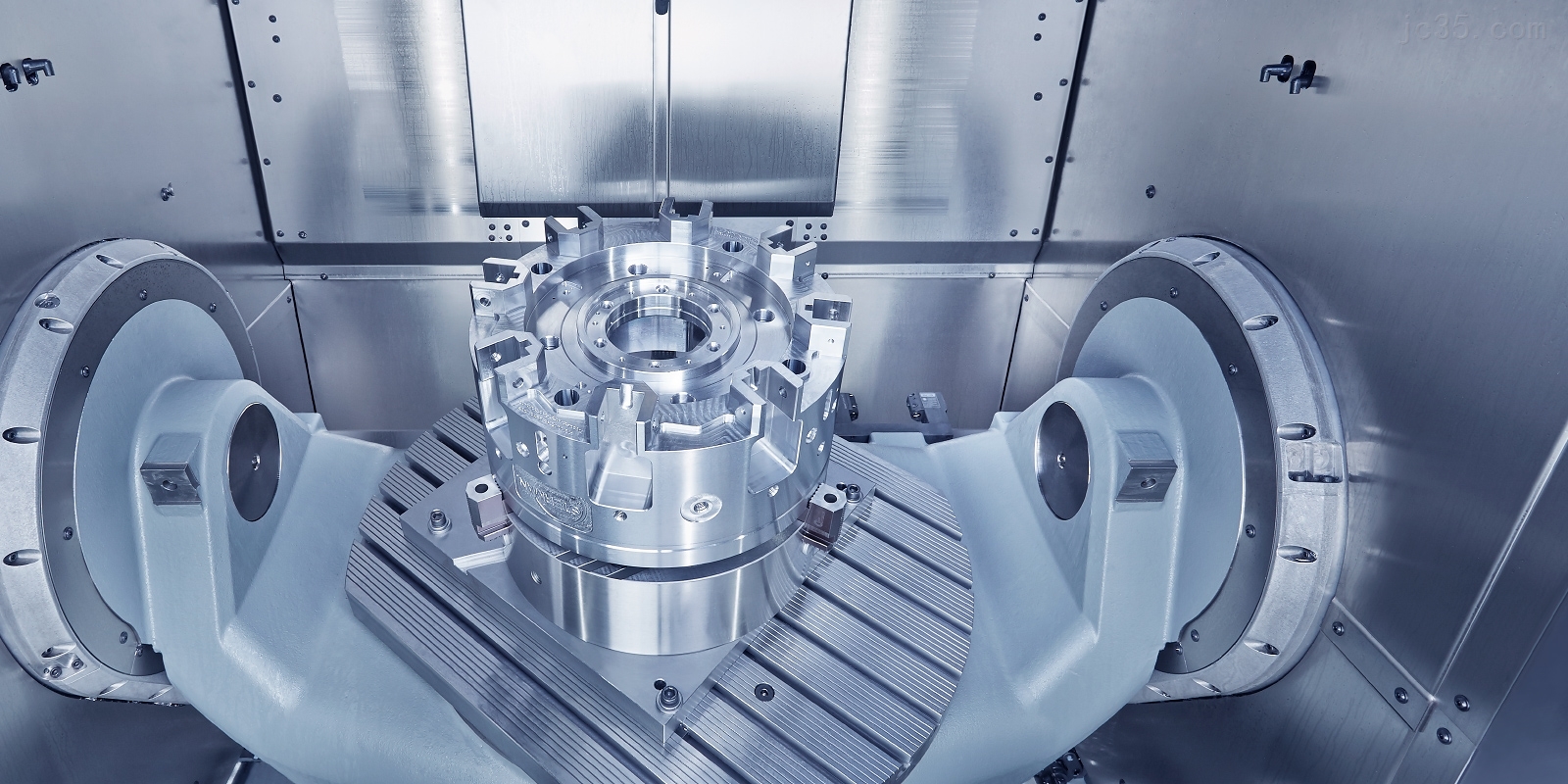
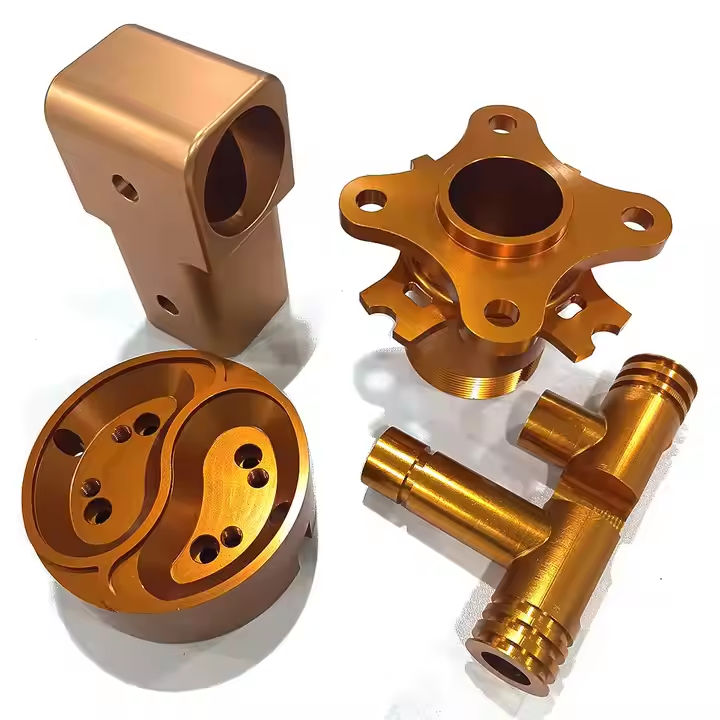
DJ PROTO can provide high-quality surface processing services for finished parts. We have an independent manual department and experienced personnel responsible for specialized finishing processes. At the same time, we maintain a good and stable relationship with our partners to be responsible for special finishing processing. If you want your project parts or prototypes to get a perfect surface treatment effect, contact our team now to get a quick quote.
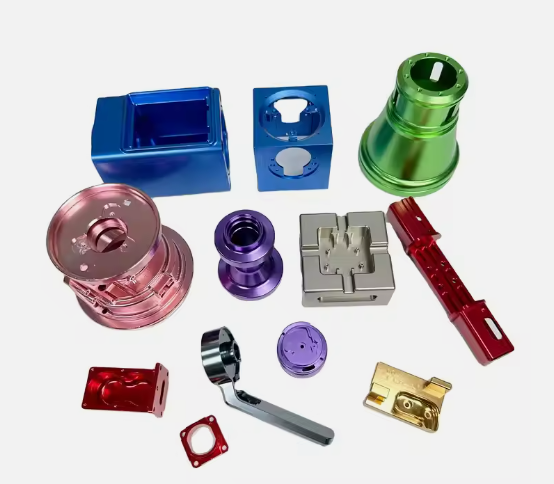
Grinding: Since the machine-processed parts are rough, sandpaper is needed for smooth grinding.
Angle cleaning: According to the drawing requirements, the sample requires a right angle that the machine cannot produce, and manual cleaning is required.
Polishing: Apply a layer of polishing wax on the surface of the sample, and then wipe it repeatedly with a dust-free cloth until it is very bright.
Silkscreen: Print words or patterns on the sample of the hand.
Pad printing: Print words or patterns on the uneven surface of the hand.
Laser engraving: Spray two layers of paint on the surface of the sample, program it according to the provided drawings, import it into the laser engraving machine, and control it through the computer to carve off a layer of paint to reveal the text, logo, and pattern you want.
Electroplating: In order to make the product more eye-catching, a layer of metal is plated on the surface of the product. The sample must be very smooth and free of impurities. The characteristics of water plating: not easy to scratch, not easy to fade, not bright, and the required material is resistant to high temperature. Vacuum plating is very bright, and it is easy to scratch and fade.
Oxidation (anodization): Make the surface of aluminum undergo oxidation reaction to form a film that is not easy to scratch or corrode.
UV: Spray a layer of transparent oil on the surface of the sample and dry it with ultraviolet light. The product is brighter and not easy to scratch.
Sandblasting: There are a lot of residual plastic on the samples produced by the computer gong, which is very troublesome to handle manually. Especially in places with many holes or many buckles, it is particularly time-consuming to handle, so a sandblaster is used to knock off the residual plastic on the sample.
Baking paint: It is a special paint. Paint that can only dry after baking, such as rubber oil.
Fumigation PC: After grinding and polishing, the PC sample is still not as transparent as PMMA, so a chemical raw material is used to fumigate the PC sample to achieve transparency.
Overview of Metal Aftertreatment Process - Polishing Process
In which industries is CNC precision parts machining used?
Related Article

This article analyzes the prospects of the custom parts industry from three aspects: market demand, technological innovation, and challenges and opportunities, with specific cases to illustrate its development trends.
Analysis of the Prospects of the Custom Parts Industry
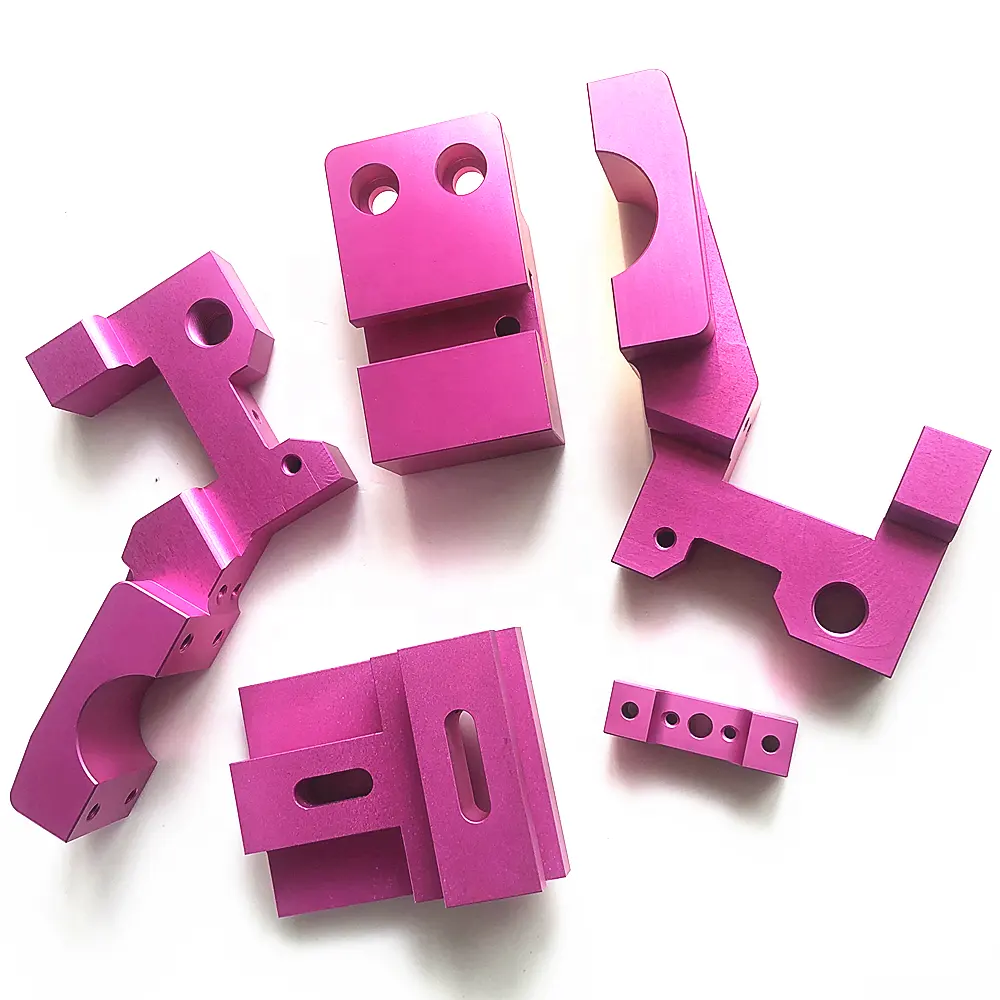
This article details CNC precision technology, covering its definition, applications in aerospace and electronics, advantages like high precision and automation, and its promising future in the manufacturing industry.
CNC Precision Technology: The Core Code of Modern Manufacturing and Its Infinite Potential
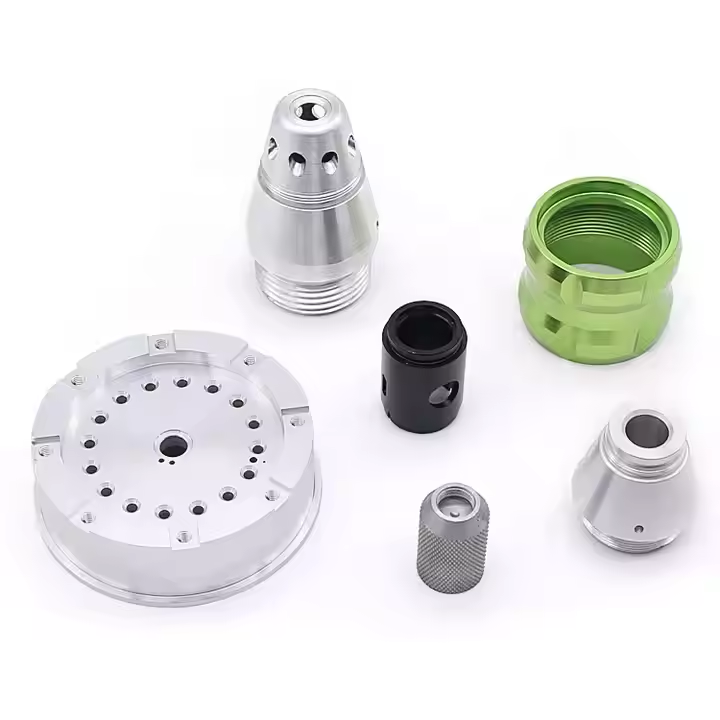
This part focuses on the shipbuilding industry, presenting a case of CNC technology application in the processing of large - scale ship propellers. It showcases how CNC technology addresses challenges in this field, improving processing efficiency and product quality, thus highlighting its significance in ship manufacturing.
CNC Technology Application Cases (Part 2)
This article focuses on the medical device manufacturing and 3C product manufacturing fields. Through specific cases, it elaborates on the remarkable achievements of CNC technology in manufacturing complex and precise components and improving product quality, demonstrating its crucial role in related industries.
CNC Technology Application Cases (Part 1)