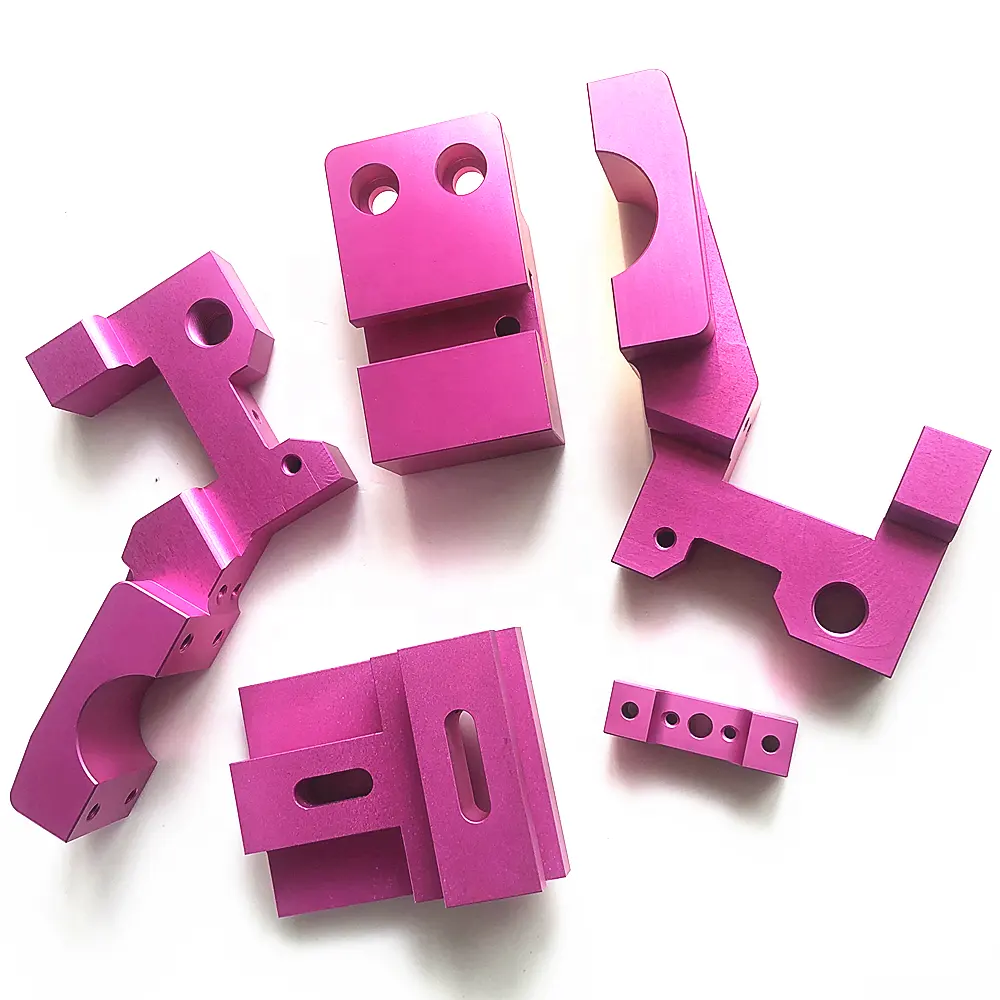
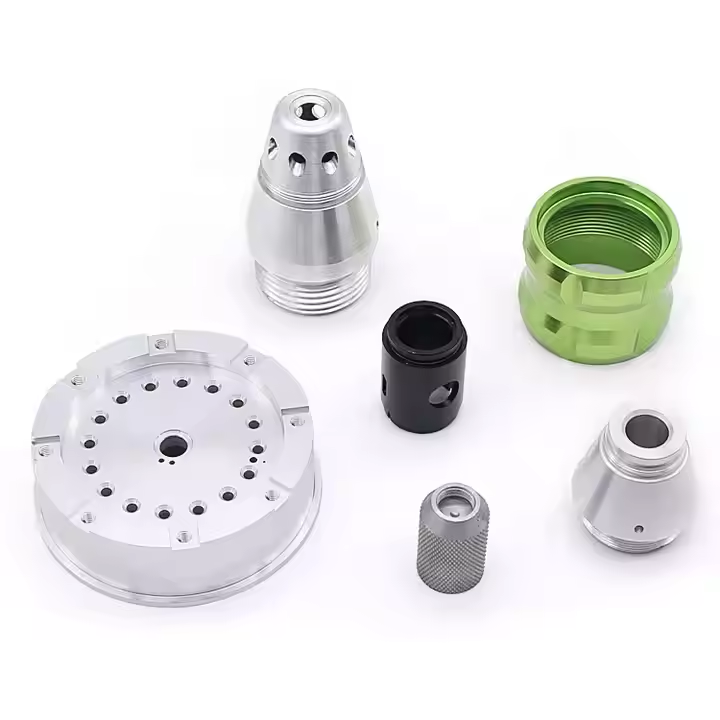
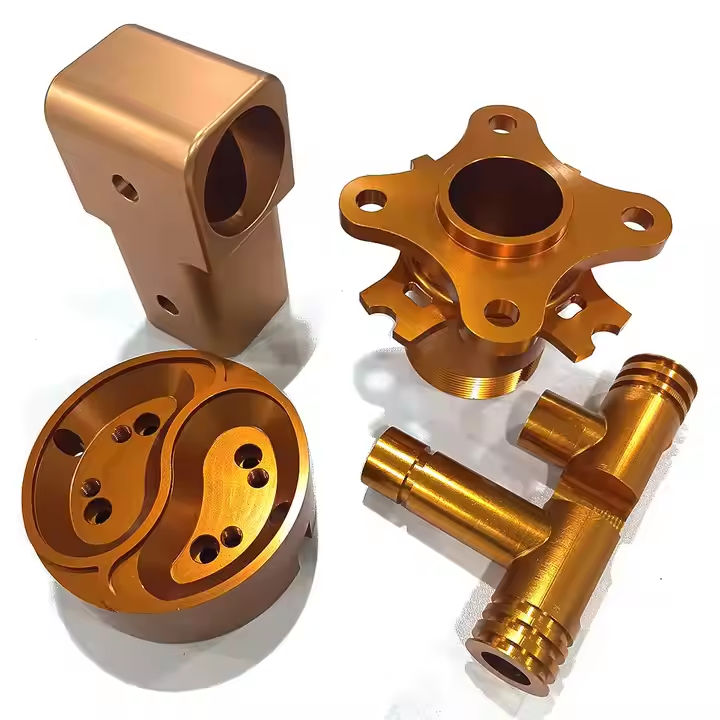
How much do you know about the CNC machining process for precision parts?

How much do you know about the CNC machining process for precision parts?
We divide the CNC machining of precision parts into the following four stages:
1. First the flat surface, then the holes.
For components such as housings, brackets, and connecting rods, the flat surfaces should be CNC machined first before producing the CNC machined holes. This allows for precise positioning of the machining holes based on the flat surfaces, ensuring the accuracy of the positions of both the flat surfaces and the holes, and facilitating the production of holes on the flat surfaces.
2. First CNC machine the reference surface.
During the production process, the outer surface that serves as a precise positioning reference should be CNC machined first, providing a precise reference for the subsequent production steps. This is called "reference first."
3. Surface finish CNC machining.
The surface finish CNC machining of the main outer surfaces (such as grinding, polishing, honing, precision grinding, rolling production, etc.) should be carried out at the end of the machining process planning. The roughness of the outer surface after machining should be above Ra0.9um; even slight impacts can damage the outer surface. Generally, protective measures using velvet cloth are required, and direct contact with the product workpiece by hands or other objects is strictly prohibited to prevent damage to the outer surface from the finishing process due to transportation and assembly between steps.
4. Distinguishing production processing stages.
The outer surfaces of precision parts CNC machining with high product quality standards are distinguished by production processing stages, which can usually be divided into rough machining, semi-finish milling, and finish milling stages. This is mainly to ensure the quality of the produced products; it is beneficial for the rational use of machinery; it facilitates the reasonable arrangement of heat treatment process steps; and it also helps to quickly detect defects in the blanks.
Advantages of CNC Machining Services
What kind of products require CNC machining?
Related Article