
How to choose between aluminum casting and CNC machining?
author: DJ-02
2024-09-19
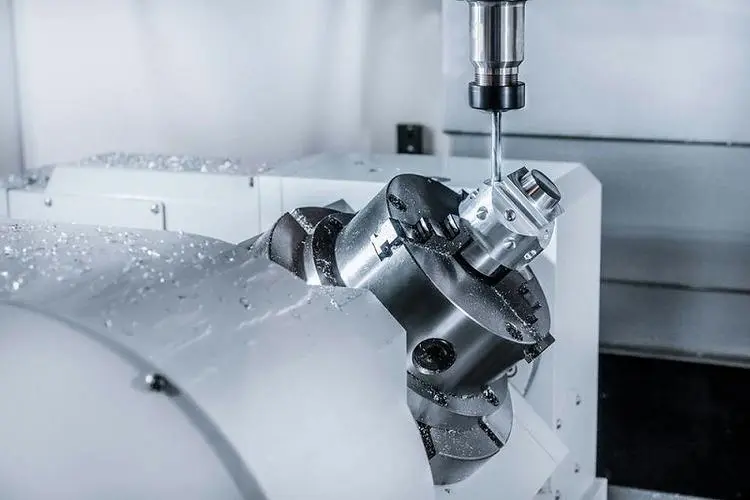
In fact, they have their own advantages and disadvantages in different situations. Below, let's compare with DJ PROTO from multiple dimensions such as material characteristics, cost, production cycle, and accuracy, and finally provide recommendations.
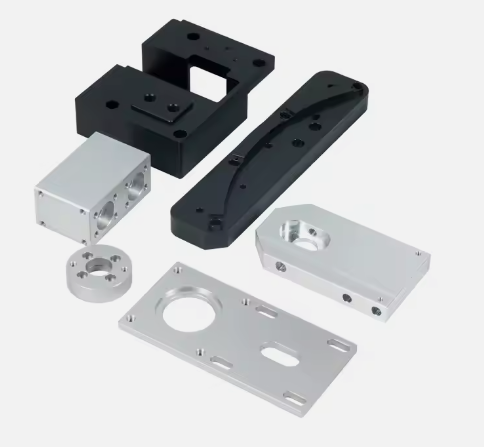
1. Material characteristics
Aluminum casting: Aluminum alloy casting can produce complex shaped components, but the performance of the casting material is limited. Aluminum has good fluidity and is suitable for casting and forming.
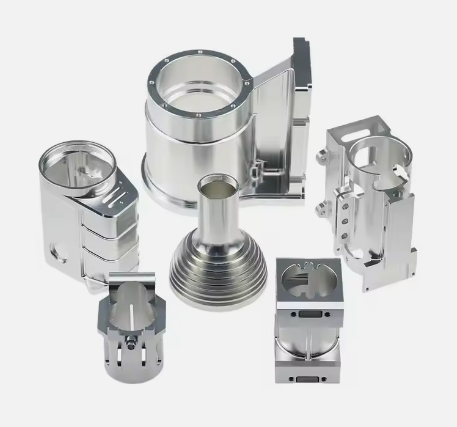
CNC: CNC machining can be applied to various materials, including aluminum. It is suitable for producing high-strength and high-precision components.
2. Cost
Aluminum casting: The cost of making casting molds is relatively high, but the cost per piece is lower in large-scale production.
The initial cost of CNC machining is relatively low, but it may become more expensive during mass production.
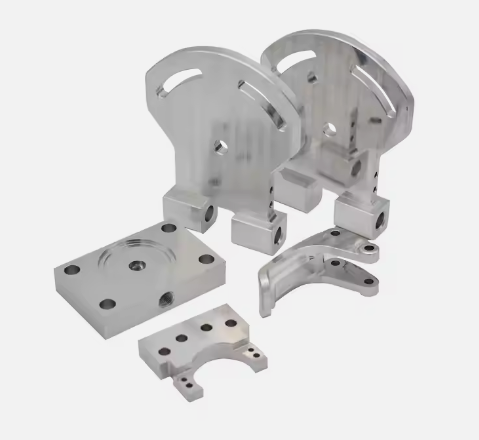
3. Production cycle
Aluminum casting: The production of casting molds takes time, but once completed, a large number of components can be quickly produced.
CNC: CNC machining can start quickly and is suitable for small batch production, but may require more time for large-scale production.
4. Accuracy and surface quality
Aluminum casting: Casting usually produces a rough surface that requires secondary processing to improve accuracy and surface quality.
CNC:CNC machining can provide high precision and surface quality, reducing the need for secondary machining
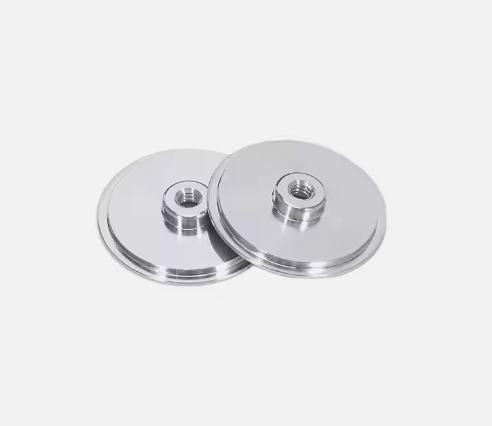
5. Applicable scenarios
Aluminum casting: suitable for large quantities and complex shaped components, such as automotive parts.
CNC: Suitable for small batches of parts that require high precision, such as aerospace components.
Suggestion:
Aluminum casting processing is an economical and efficient choice for large quantities and complex shaped components, especially for situations with high initial investment and long production cycles.
For small batches of components that require high precision, especially those that require flexible production, CNC machining is more suitable.
In practical applications, sometimes it is also possible to consider combining two processes and flexibly choosing according to specific situations to maximize the satisfaction of product requirements.
What kind of products require CNC machining?
The future of CNC manufacturing
Related Article

This article analyzes the prospects of the custom parts industry from three aspects: market demand, technological innovation, and challenges and opportunities, with specific cases to illustrate its development trends.
Analysis of the Prospects of the Custom Parts Industry
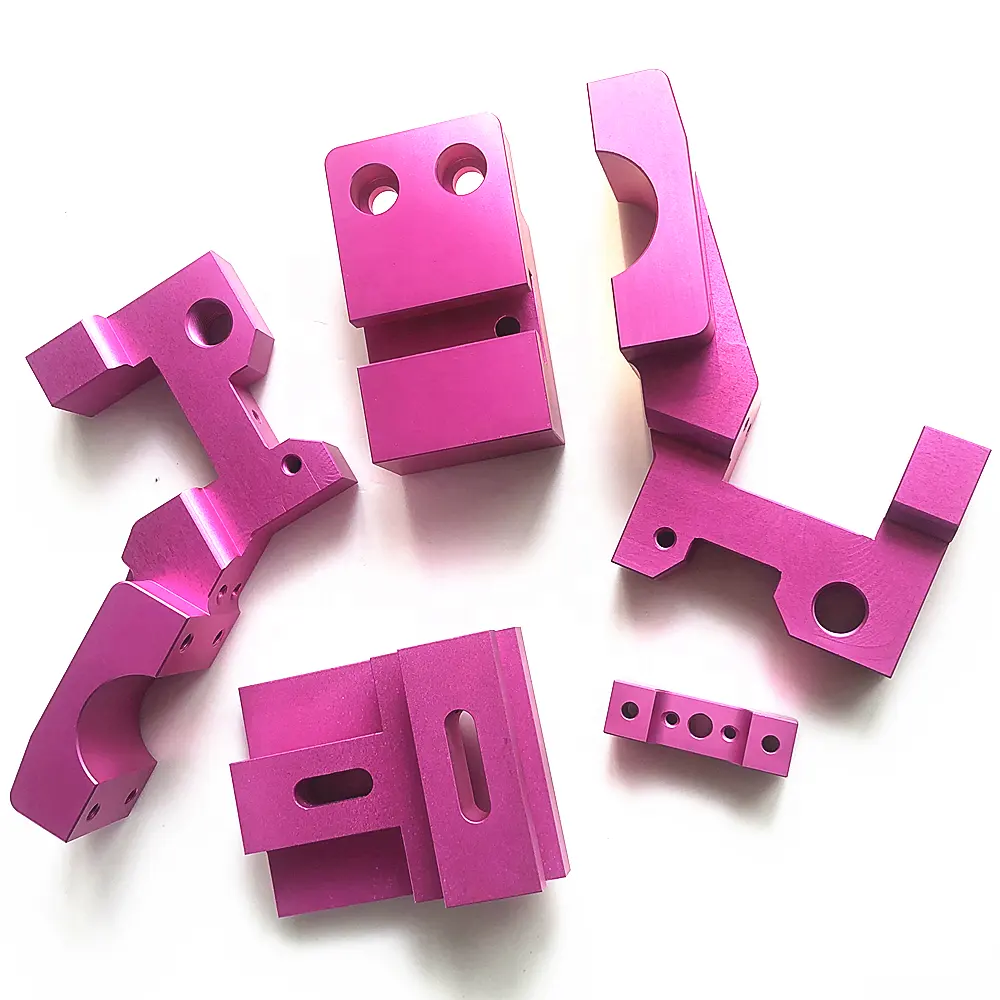
This article details CNC precision technology, covering its definition, applications in aerospace and electronics, advantages like high precision and automation, and its promising future in the manufacturing industry.
CNC Precision Technology: The Core Code of Modern Manufacturing and Its Infinite Potential
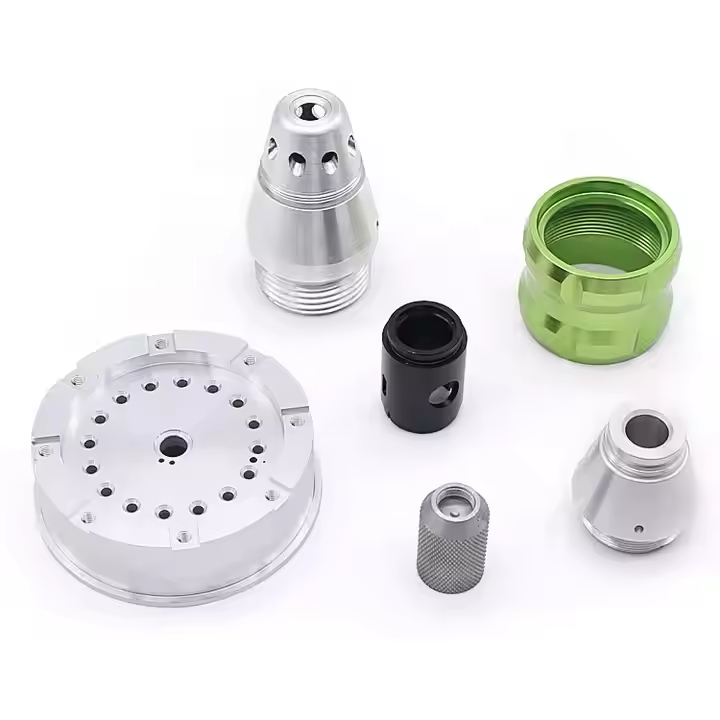
This part focuses on the shipbuilding industry, presenting a case of CNC technology application in the processing of large - scale ship propellers. It showcases how CNC technology addresses challenges in this field, improving processing efficiency and product quality, thus highlighting its significance in ship manufacturing.
CNC Technology Application Cases (Part 2)
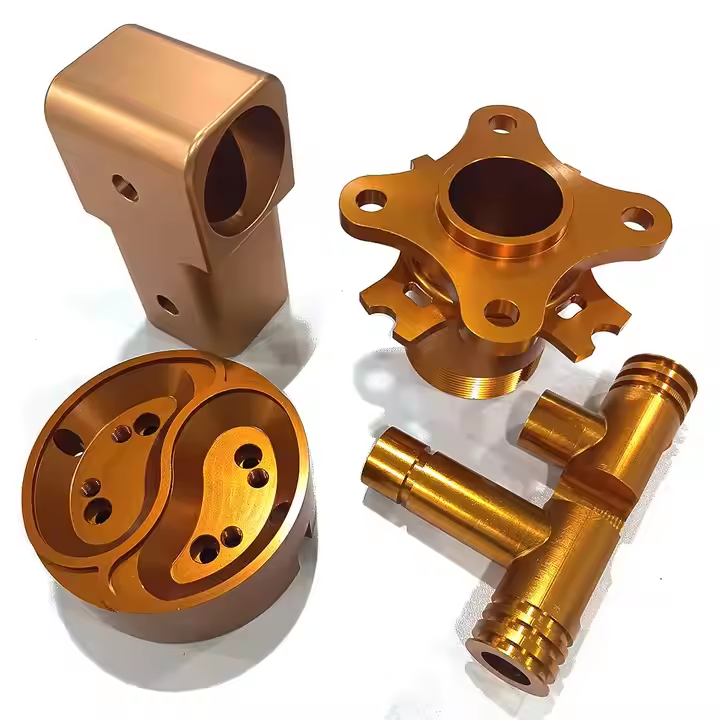
This article focuses on the medical device manufacturing and 3C product manufacturing fields. Through specific cases, it elaborates on the remarkable achievements of CNC technology in manufacturing complex and precise components and improving product quality, demonstrating its crucial role in related industries.
CNC Technology Application Cases (Part 1)