
Wire drawing process and function of prototype model
author: DJ-02
2025-01-07
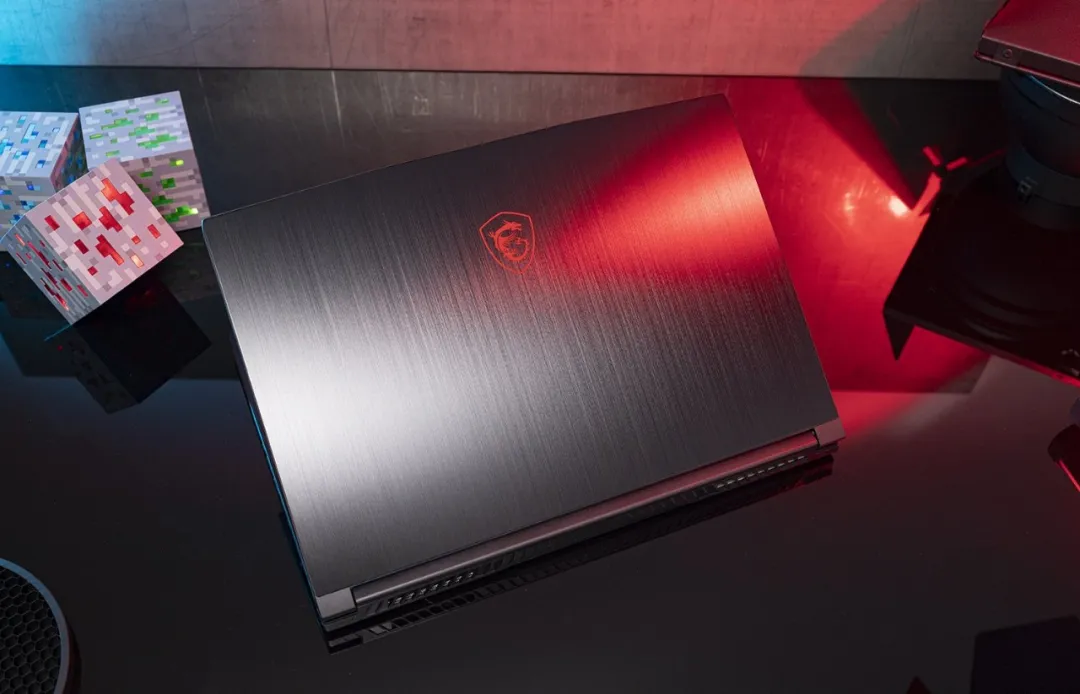
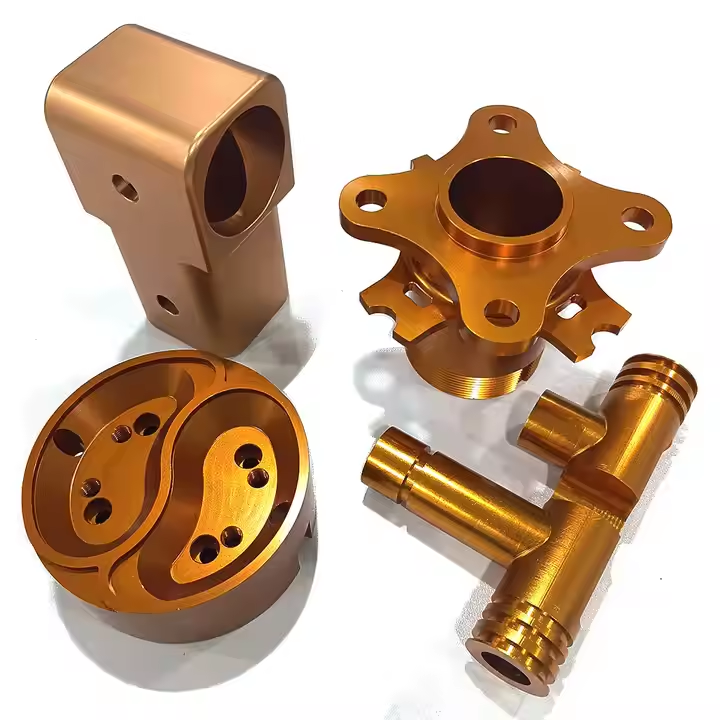
Wire drawing process of prototype model is a surface treatment technology, which is often used to improve the appearance and feel of the model, especially in the product development and display stage. The following is the detailed information and function of wire drawing process of prototype model:
1. Definition of wire drawing process
Wire drawing process is to create elongated texture or wire drawing effect on the surface of the material through specific tools and methods. This process is usually used for materials such as metal and plastic, which can make the surface present a uniform linear texture.
2. Process steps
Prepare materials: Select suitable materials, such as aluminum alloy, stainless steel or plastic.
Surface treatment: Prepare the surface by grinding, polishing, etc. to ensure smoothness.
Wire drawing treatment: Use a special wire drawing machine or hand tool to gently draw the surface in a specific direction.
Adjust the pressure and speed of the tool to obtain the ideal wire drawing effect.
Cleaning and inspection: The surface should be cleaned after treatment and the wire drawing effect should be checked for uniformity.
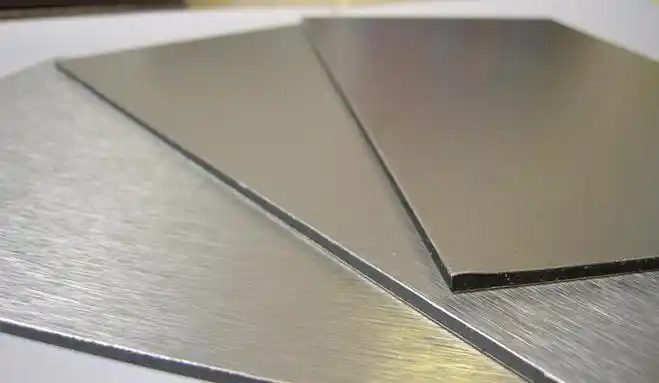
3. The function of wire drawing process
Improve appearance: The wire drawing effect can increase the visual appeal of the prototype model, making it look more textured and professional.
Concealing defects: Brushed texture can effectively conceal minor surface defects and scratches, improving overall aesthetics.
Increase friction: In some applications, brushed treatment can increase surface friction, improve feel and anti-slip performance.
Light reflection: Brushed surface can reflect light in a specific way, increase the sense of depth and layering, and enhance the overall effect.
Functionality: In some occasions, brushed treatment may also bring additional functionality, such as improving wear resistance and corrosion resistance.
4. Application areas
Industrial design: Used for the display of product prototypes to help customers better understand the design intent.
Home appliances: Brushed treatment is common on the shell of home appliances to enhance the grade of the product.
Auto parts: Surface treatment for interior and exterior accessories of automobiles, providing beauty and durability.
5. Summary
The brushed process of the prototype model is an effective surface treatment technology that can not only improve the appearance, but also increase the durability and functionality of the material to a certain extent. In the process of product design and development, the appropriate use of brushed technology can significantly improve the overall quality and market competitiveness of the model.
All about Plastic Parts
Current situation and development of CNC industry
Related Article

This article analyzes the prospects of the custom parts industry from three aspects: market demand, technological innovation, and challenges and opportunities, with specific cases to illustrate its development trends.
Analysis of the Prospects of the Custom Parts Industry
This article details CNC precision technology, covering its definition, applications in aerospace and electronics, advantages like high precision and automation, and its promising future in the manufacturing industry.
CNC Precision Technology: The Core Code of Modern Manufacturing and Its Infinite Potential
This part focuses on the shipbuilding industry, presenting a case of CNC technology application in the processing of large - scale ship propellers. It showcases how CNC technology addresses challenges in this field, improving processing efficiency and product quality, thus highlighting its significance in ship manufacturing.
CNC Technology Application Cases (Part 2)
This article focuses on the medical device manufacturing and 3C product manufacturing fields. Through specific cases, it elaborates on the remarkable achievements of CNC technology in manufacturing complex and precise components and improving product quality, demonstrating its crucial role in related industries.
CNC Technology Application Cases (Part 1)